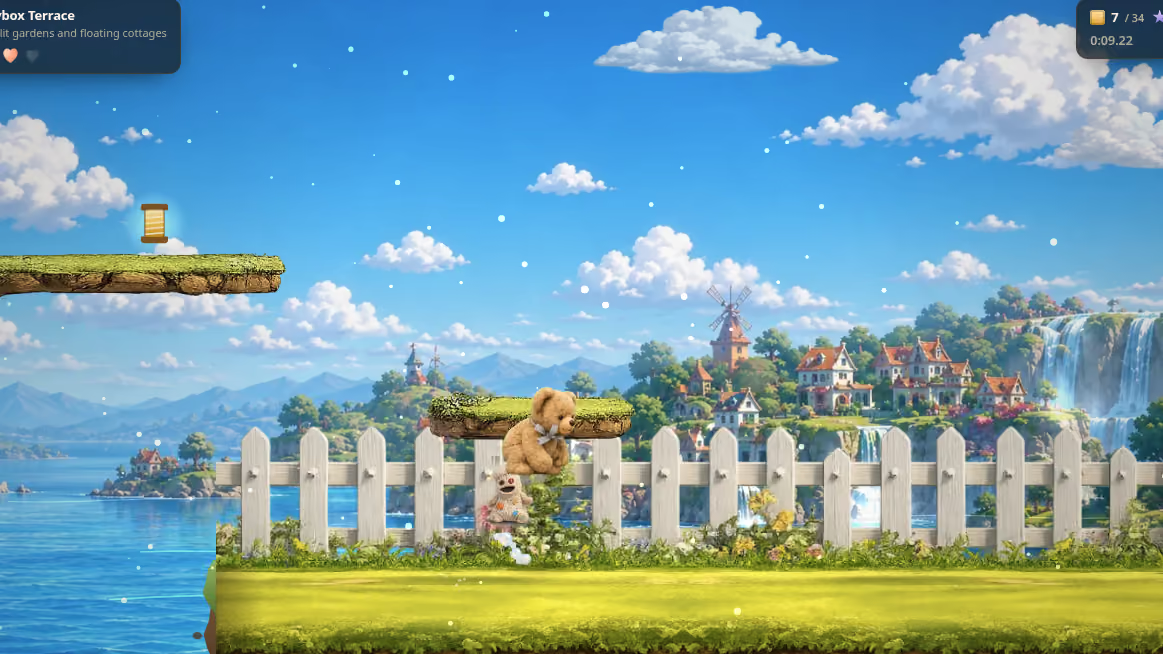
Craft·5 min read
The Honest Way to Build Bespoke Games Repeatedly
Every commission is the same engine and none of them is the same game. This is how that is true rather than a sales line.
What a bespoke game costs, how a commission actually runs, and ideas for the occasions people most often build one for.
Every commission is the same engine and none of them is the same game. This is how that is true rather than a sales line.

A tape screech, a sword clang, thunder rolling. No audio files involved in any of them.

Four difficulty levels, one engine. The hardest problem was not making it strong, it was making it lose convincingly.
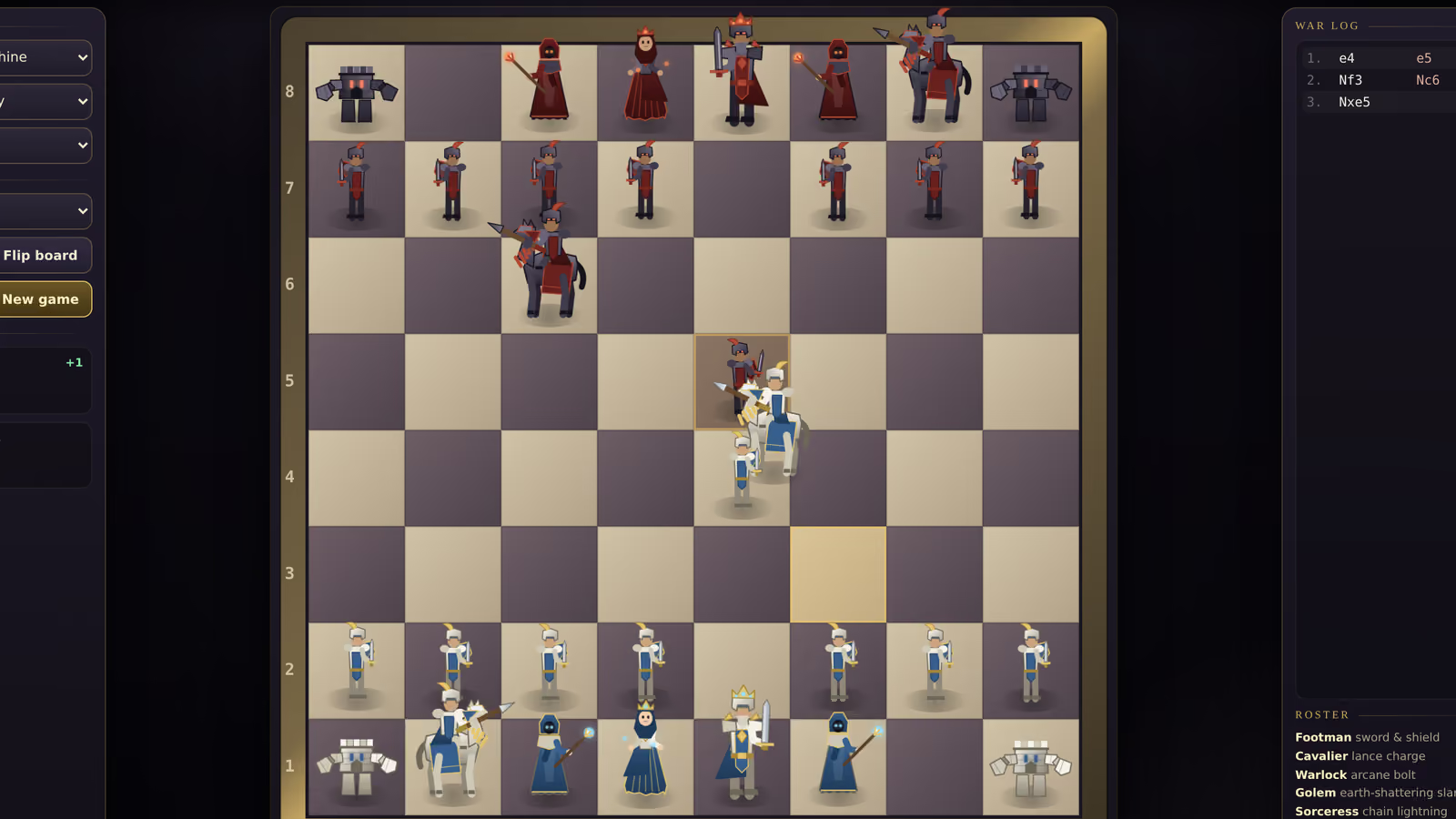
Nothing in a game actually collides. An impact is four cheap effects fired in the right order.
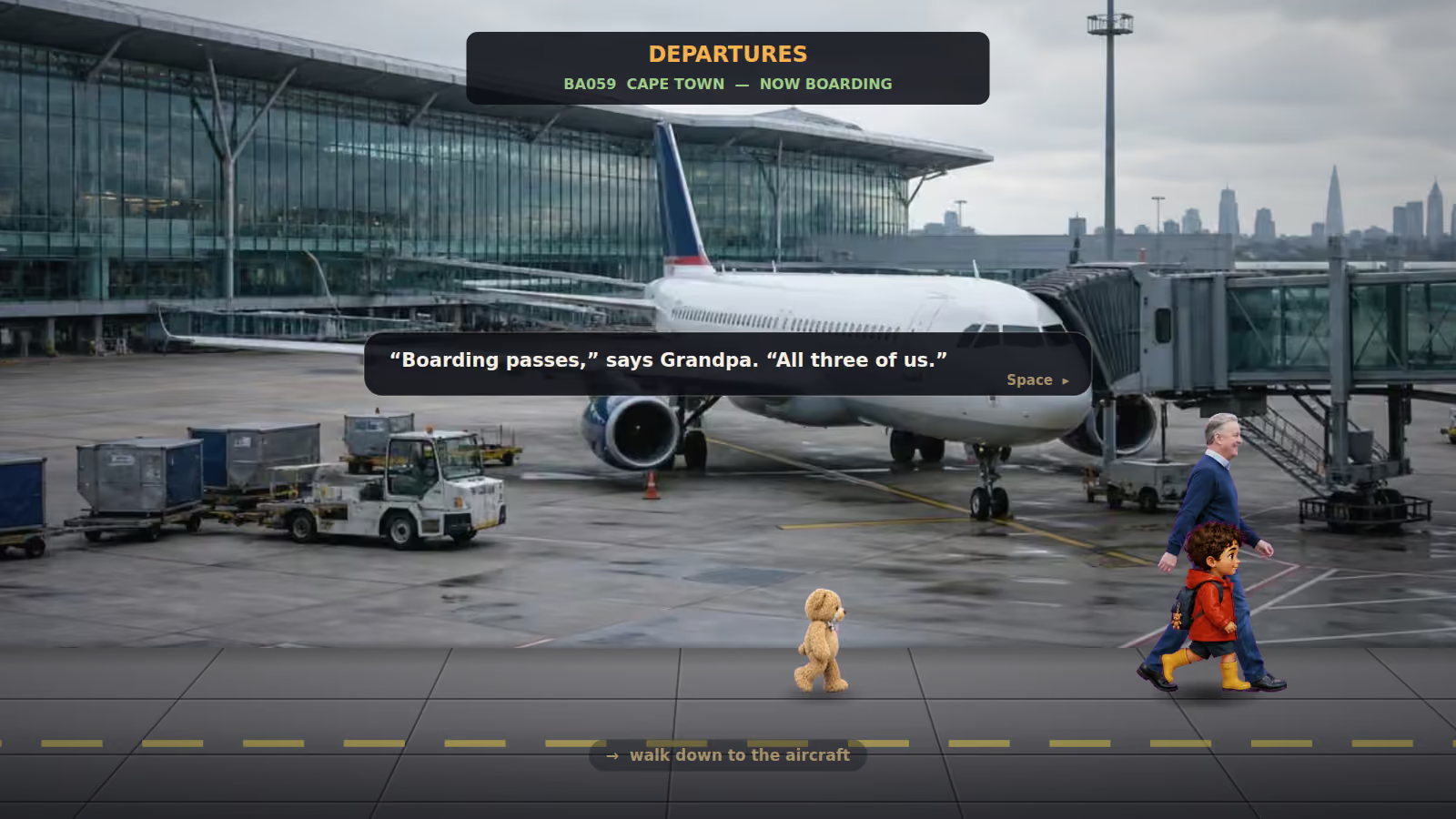
There is no scene. There is a list of drawing instructions, run back to front, sixty times a second.
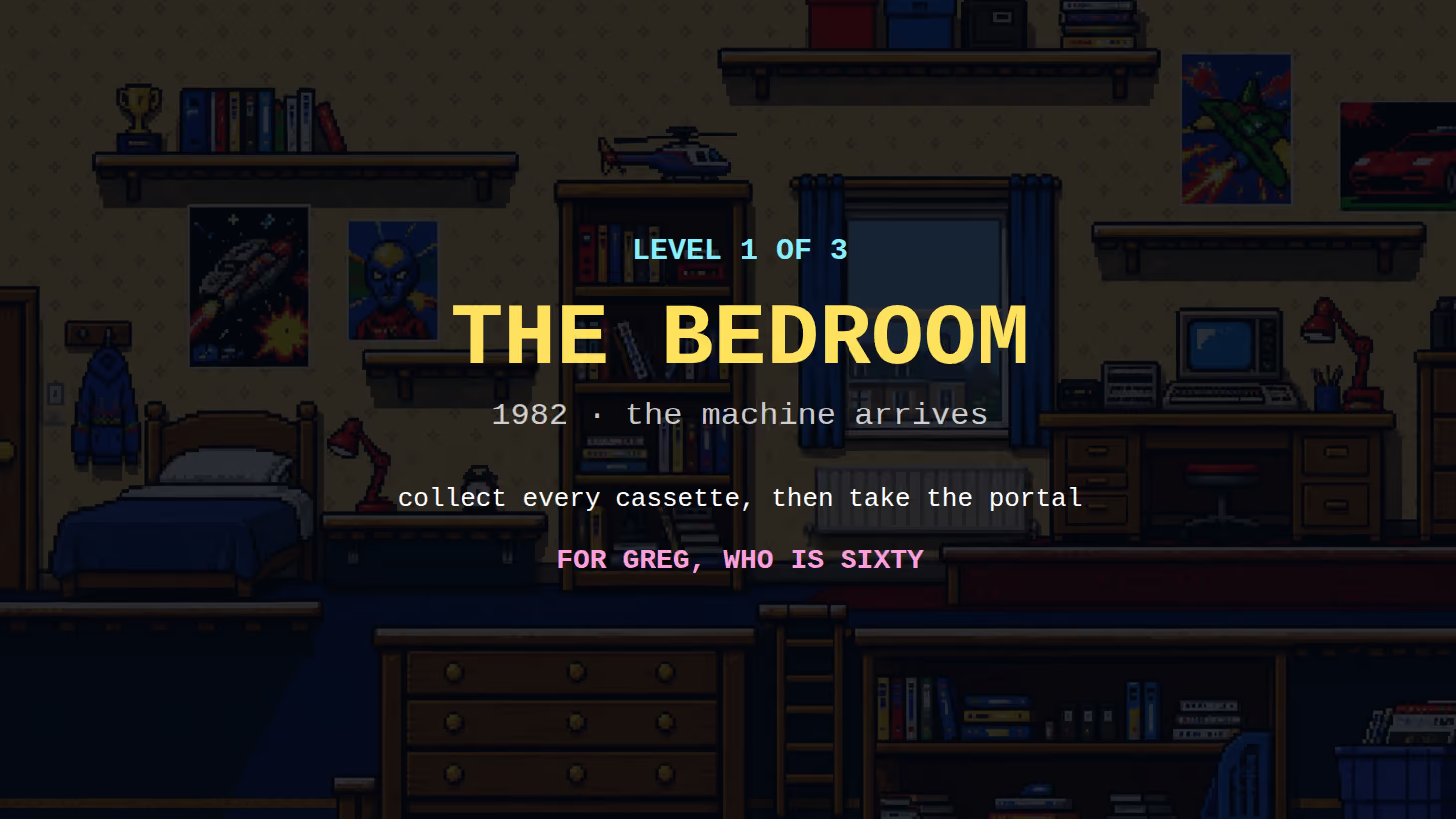
A small palette is not a limitation left over from old hardware. It is what stops a player losing the character.
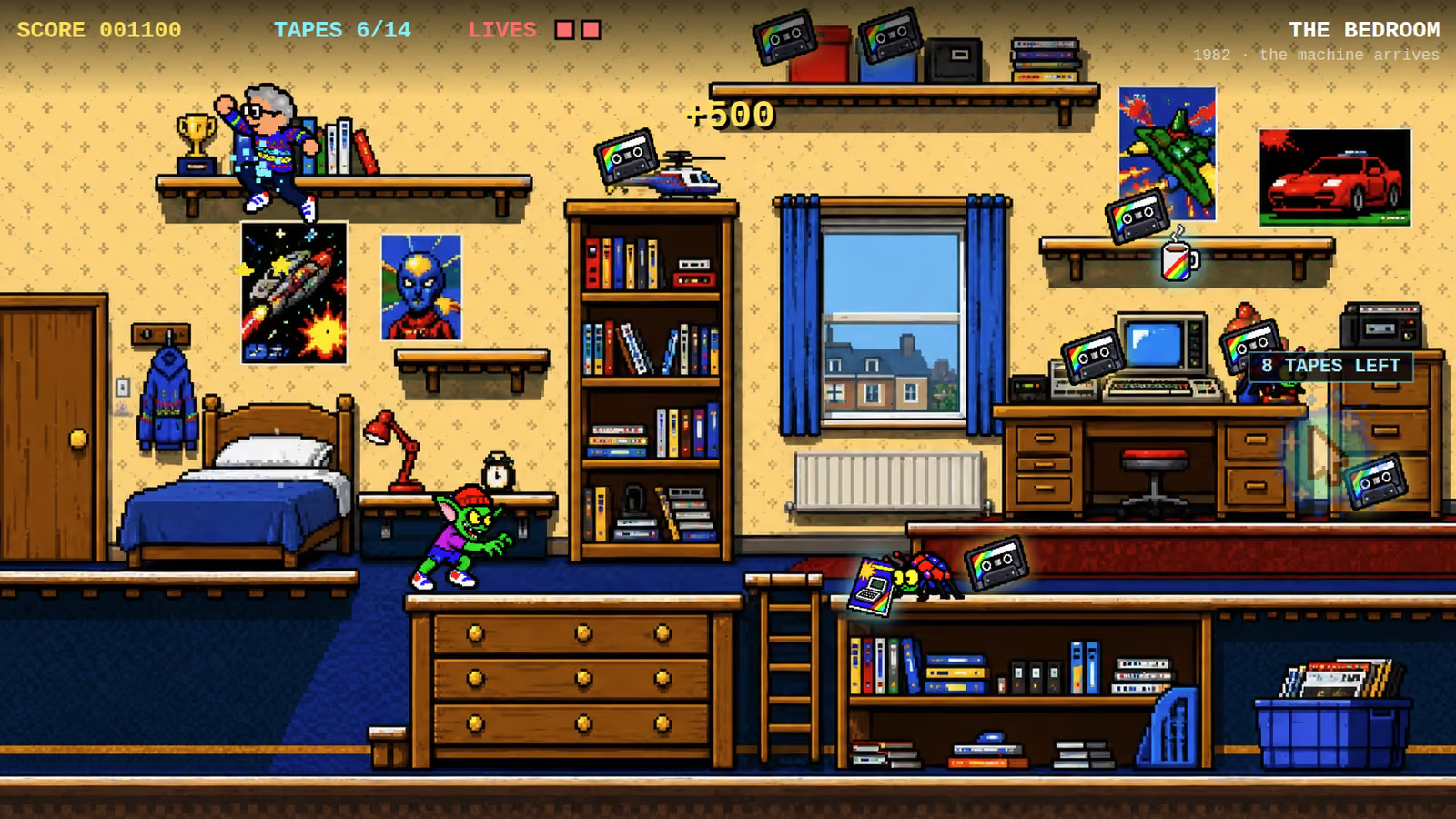
A game does not respond to a key being pressed. It asks, every frame, which keys are currently down. The difference is everything.
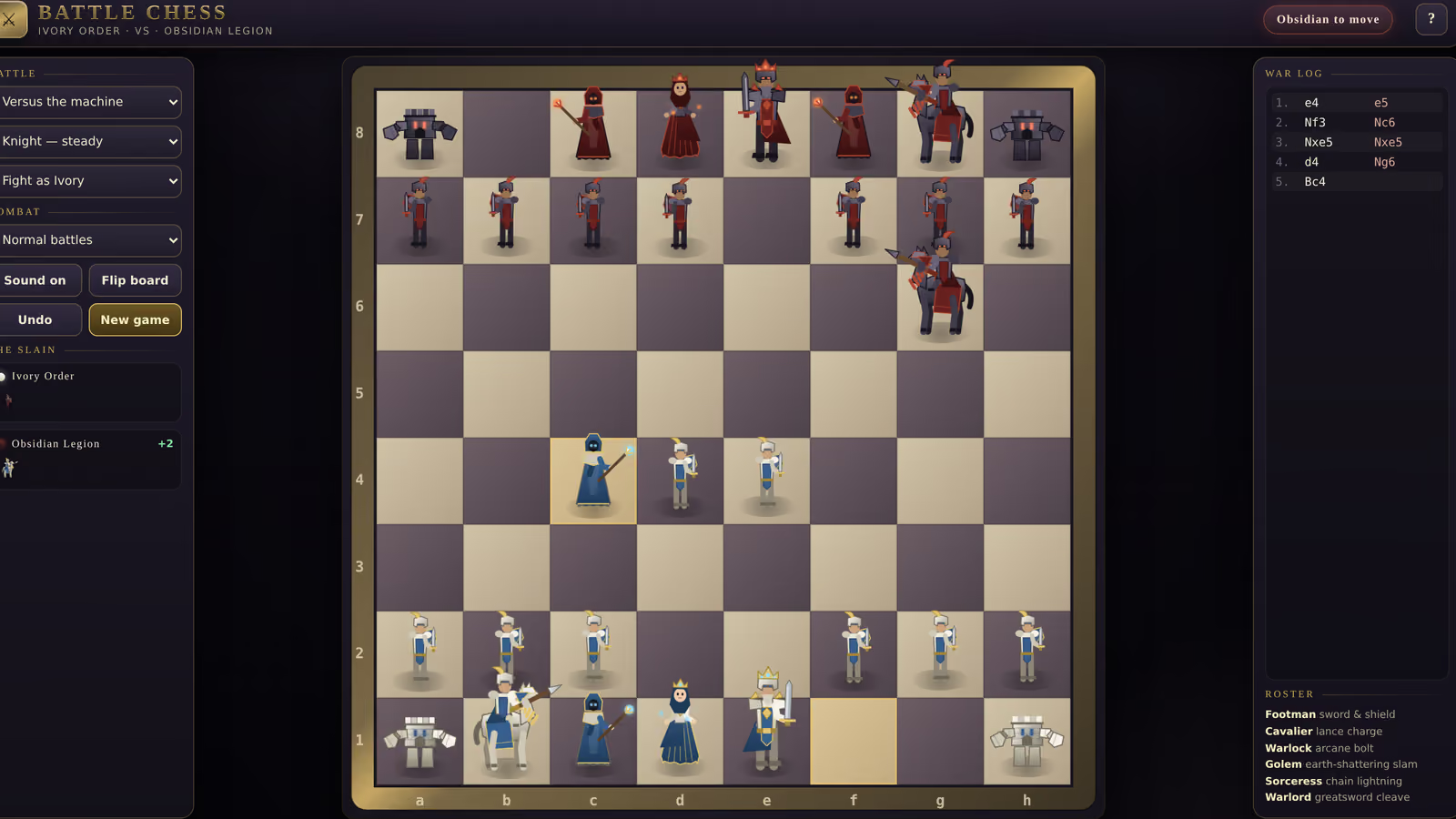
Every sound in our games passes through a single gain set to about a third. Everything else is decided against that.
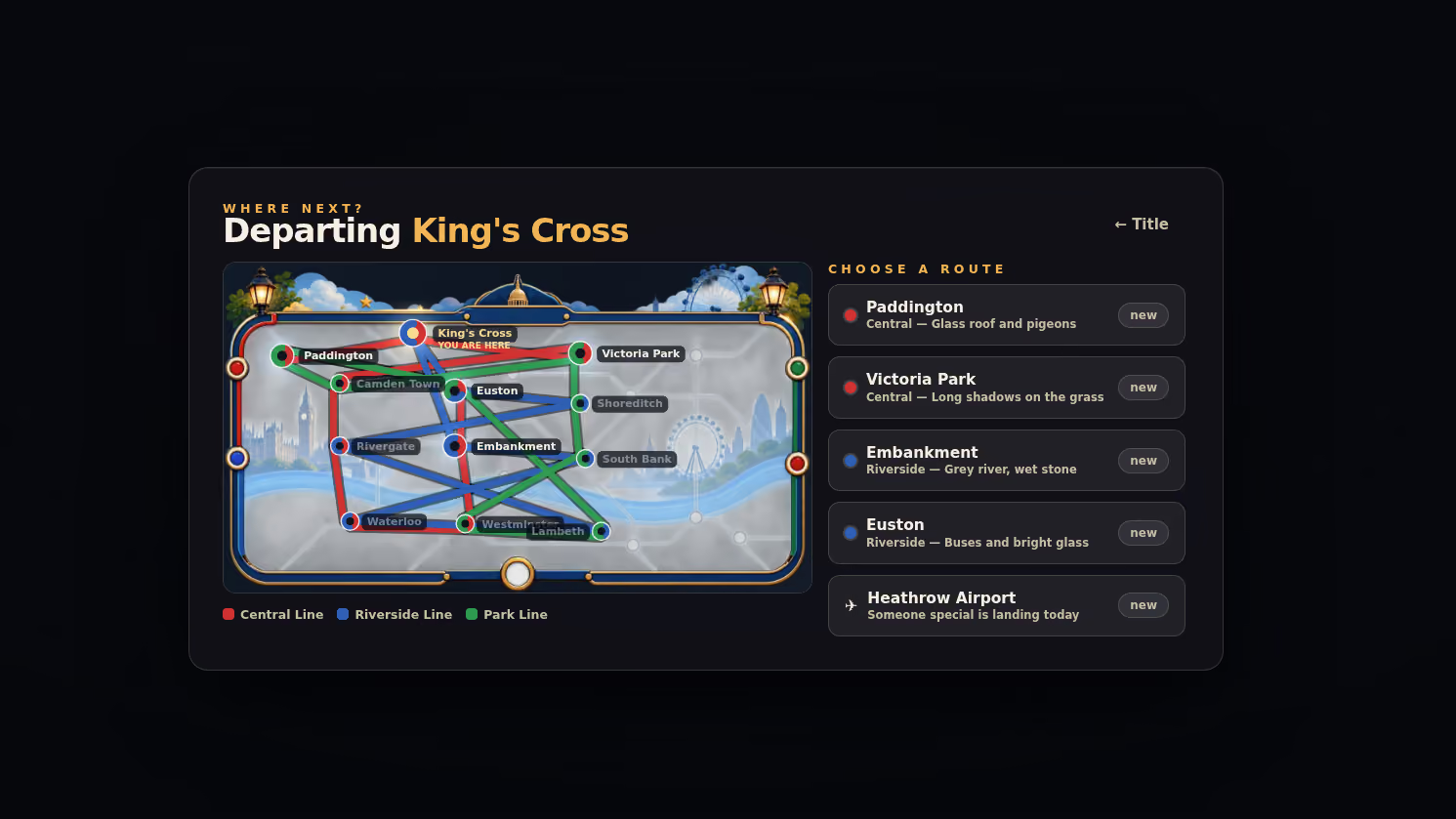
Our adventure game saves in one line. Deciding what belongs in that line took considerably longer.
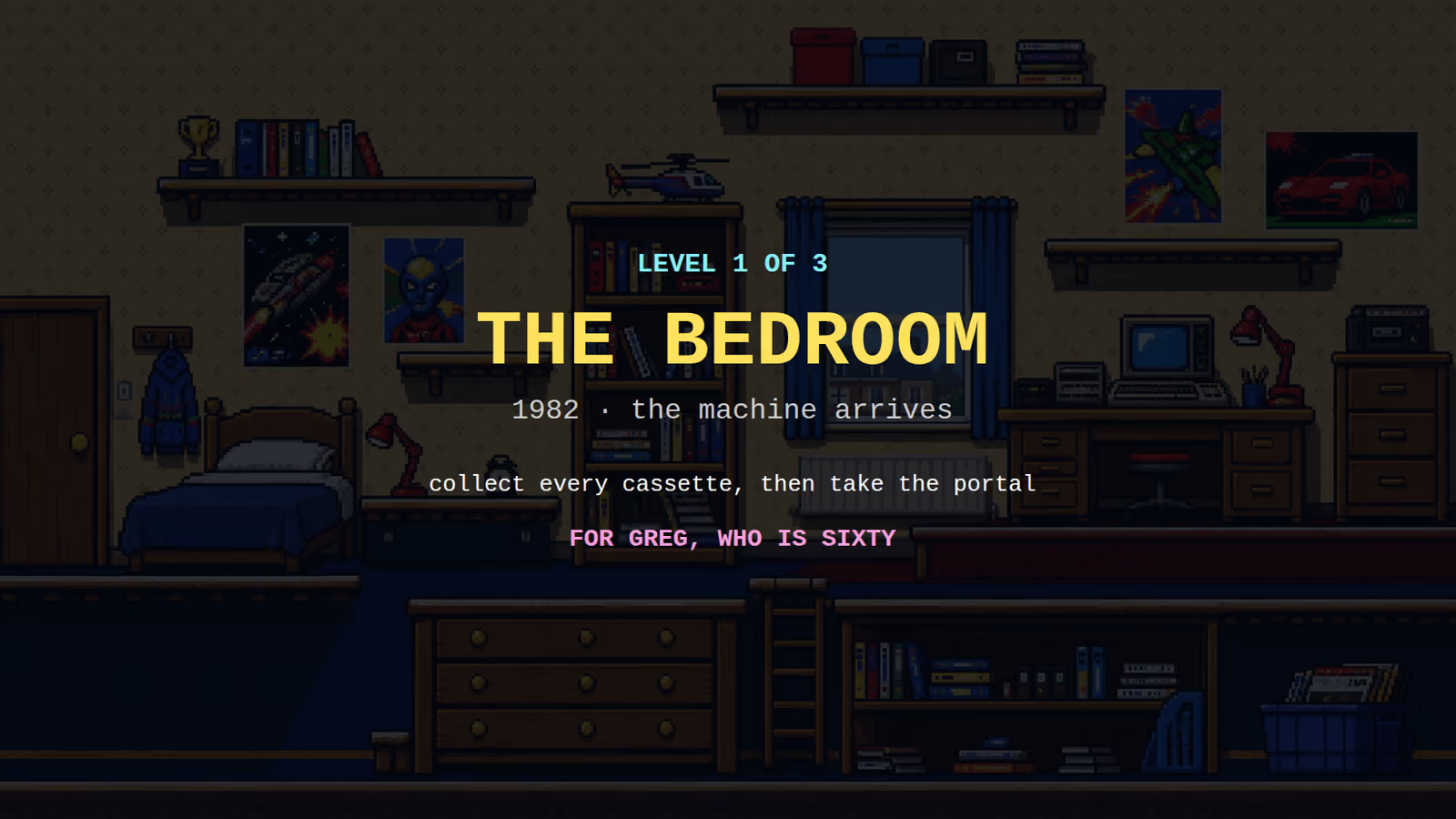
If a game needs a page of instructions, the first level is wrong.
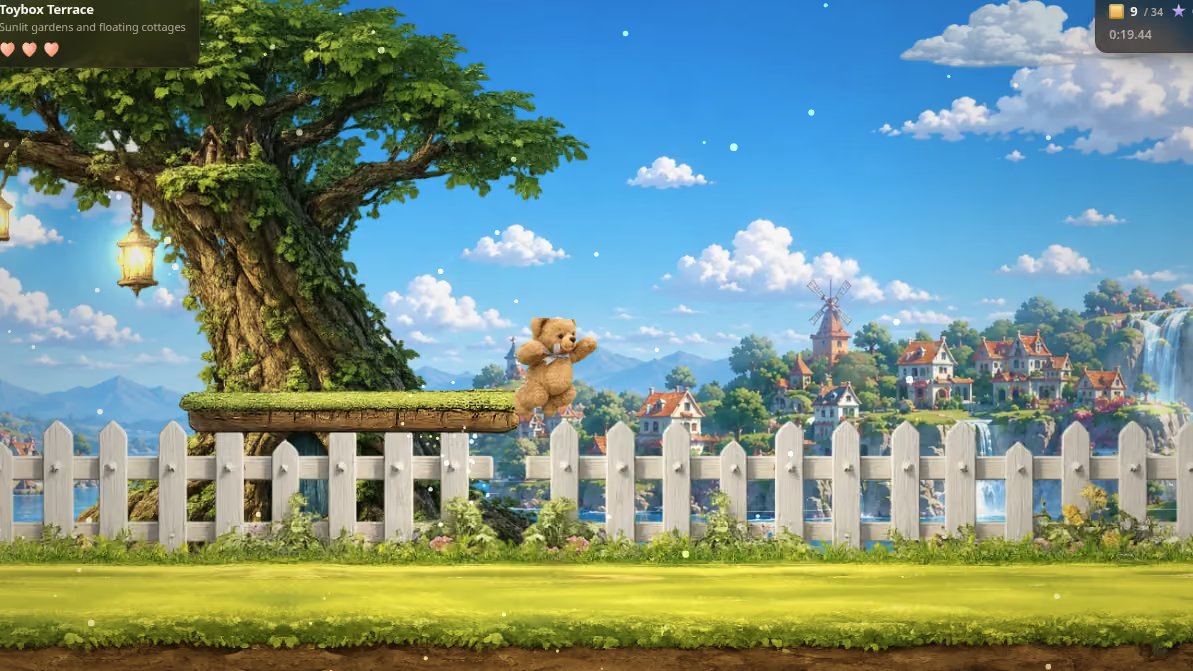
Two rectangles overlapping is the easy part. Deciding what to do about it is where platformers go wrong.
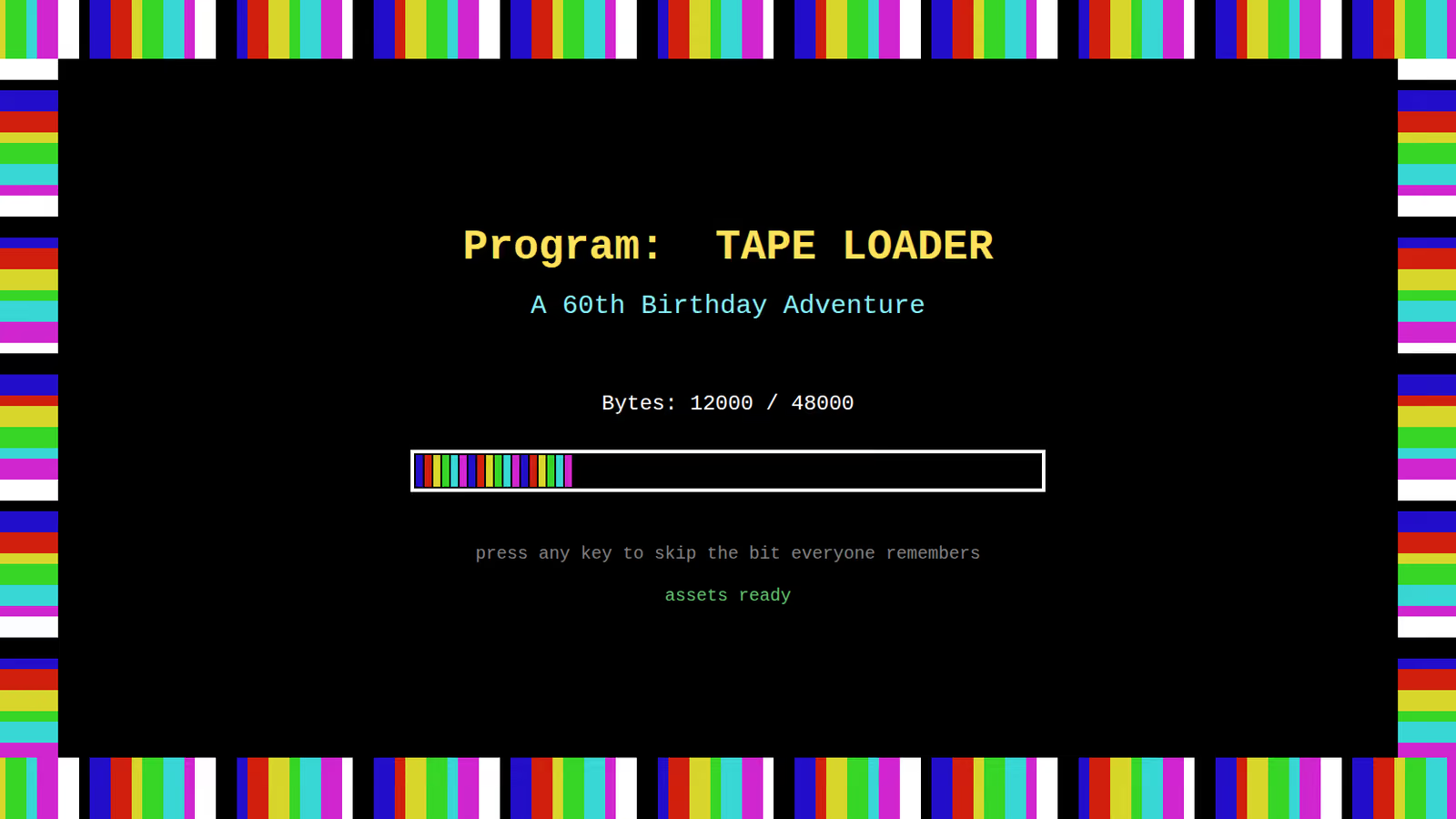
Happy Birthday, in our 60th birthday game, is twenty-five pairs of numbers. Not one byte of it is audio.
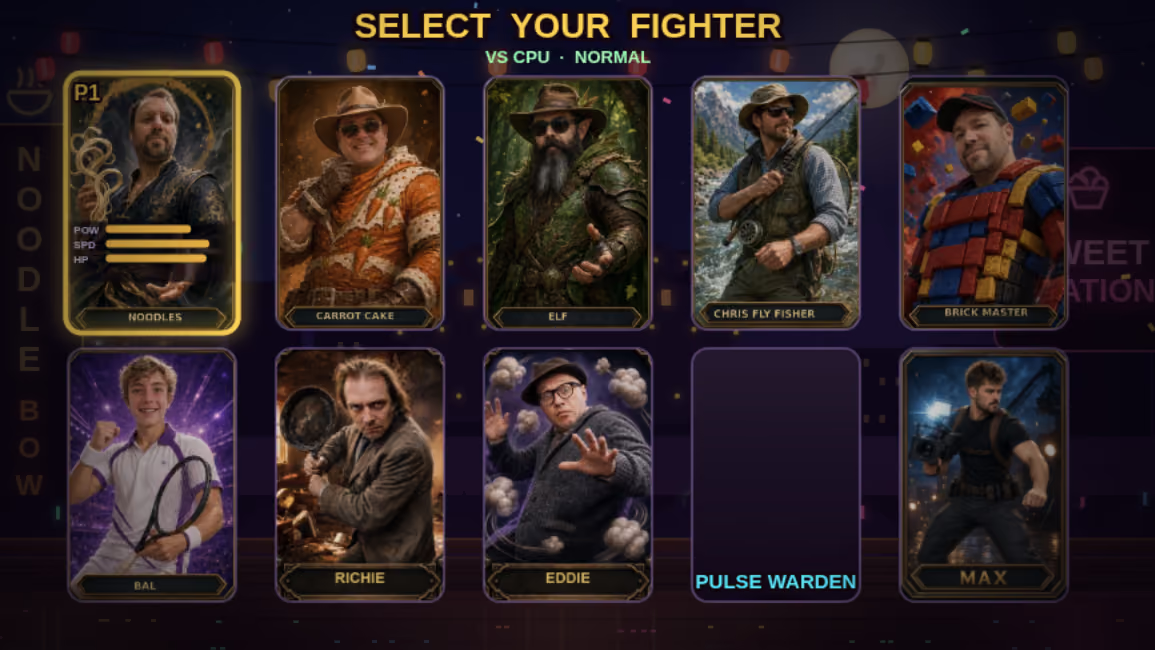
The likeness is the easy half. Making it stand on a floor and turn around convincingly is the rest.
The commonest mistake in a commissioned game is making it too long. Nobody has ever complained that a gift was too easy to finish.
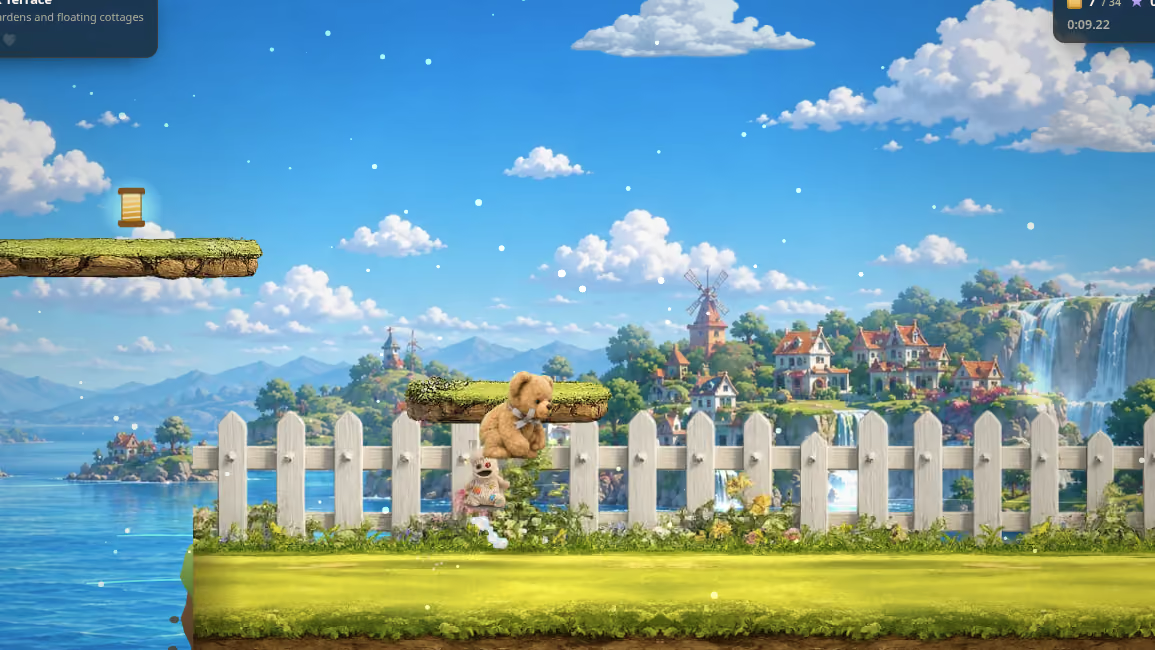
Two frames is enough. Understanding why is the difference between spending an art budget well and spending it on animation nobody sees.
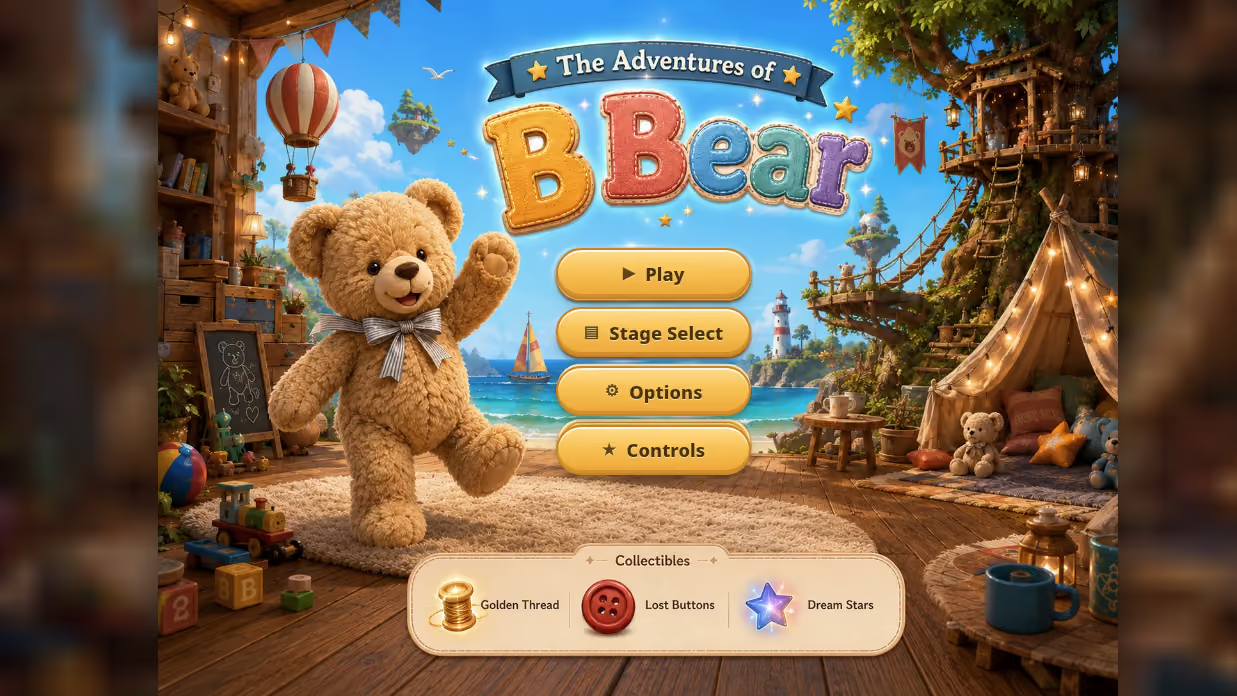
The hardest part of playtesting is keeping your mouth shut. Everything useful happens in the silence.

Feet that skate, legs that race, a stride that changes tempo halfway across a room. One arithmetic mistake causes all three.
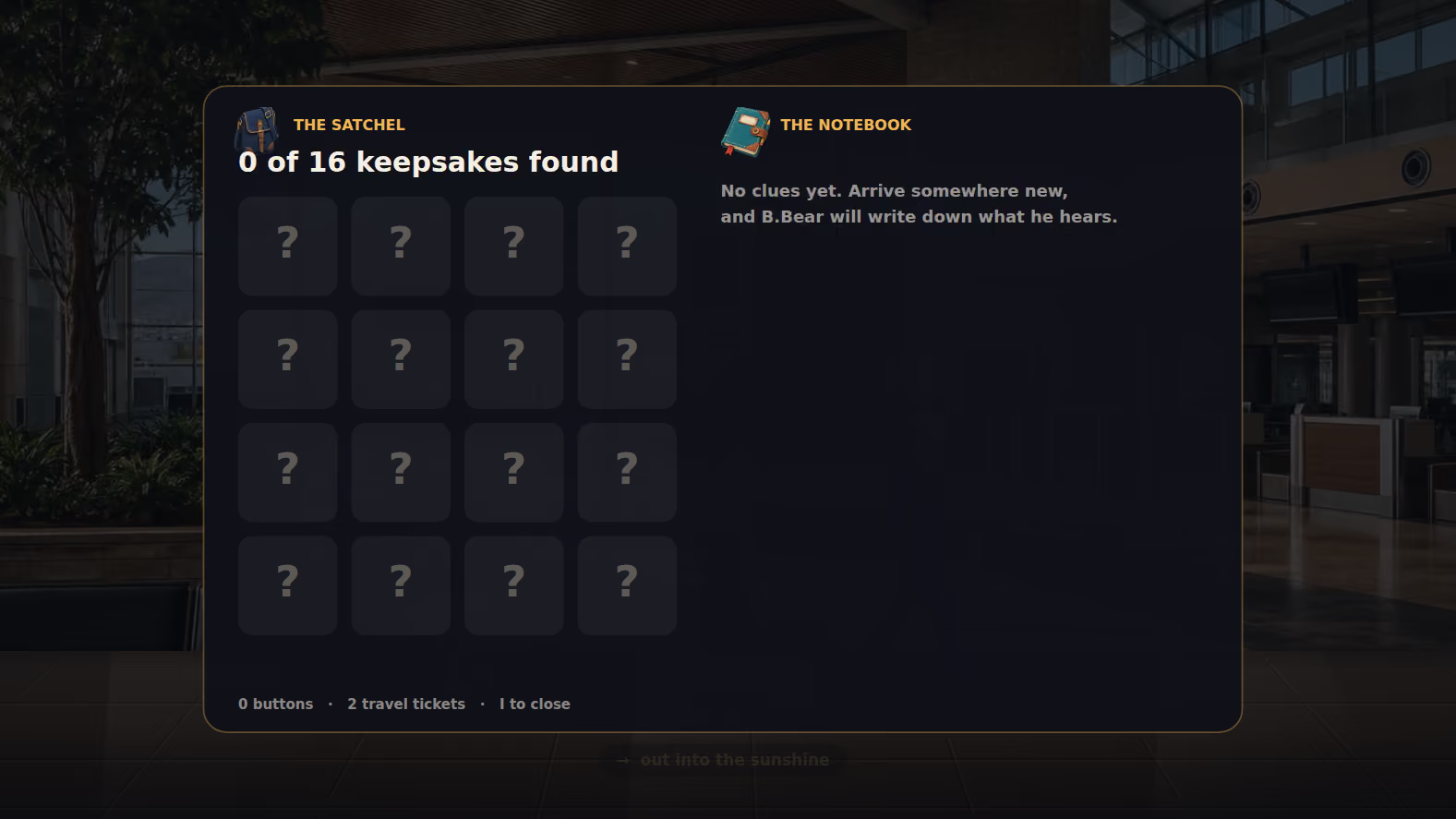
One file you can email. No install, no server, no broken image paths in five years' time.
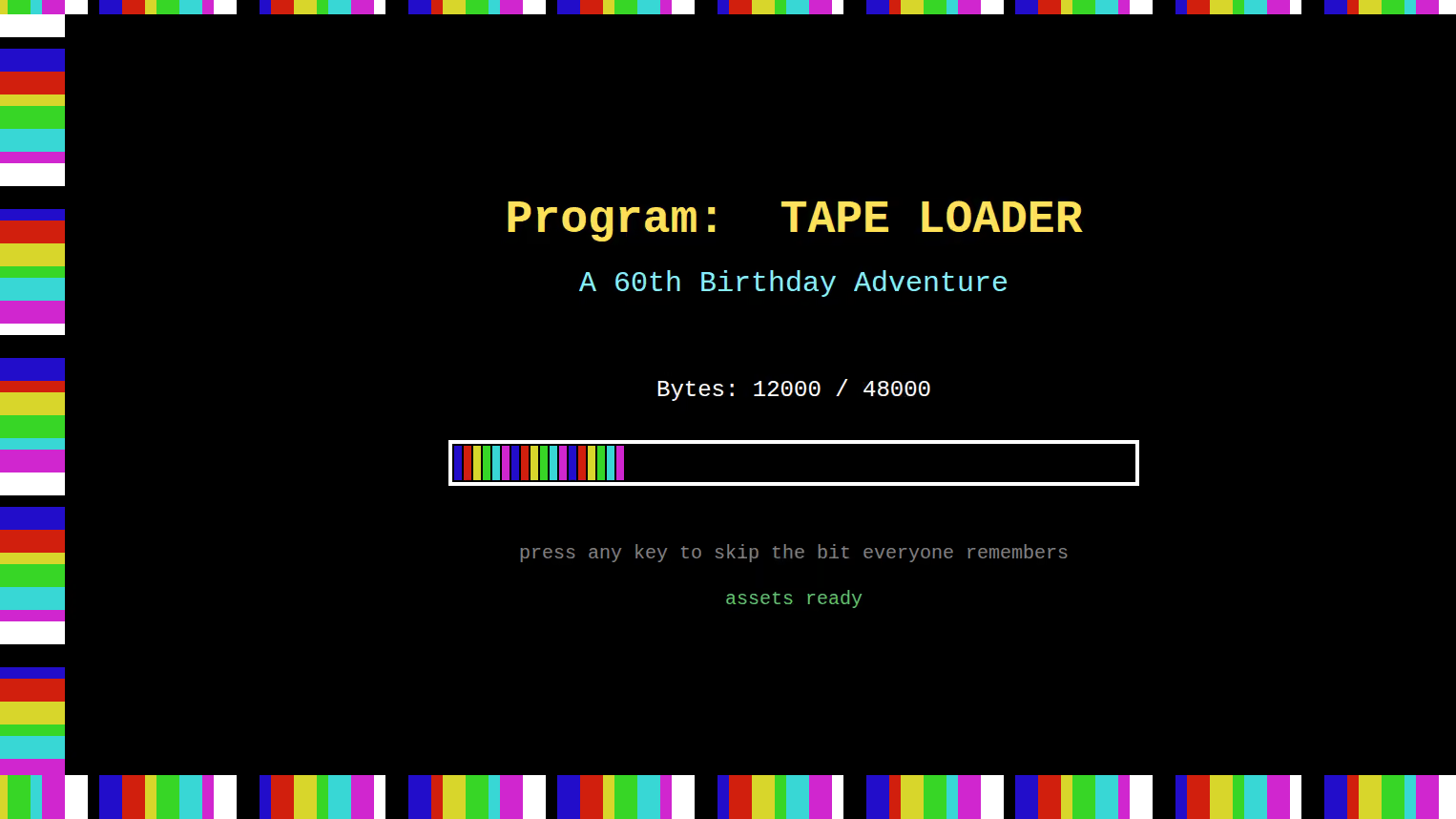
It counts to 48000 because that is what a 48K machine had. And while it performs, it is doing real work.
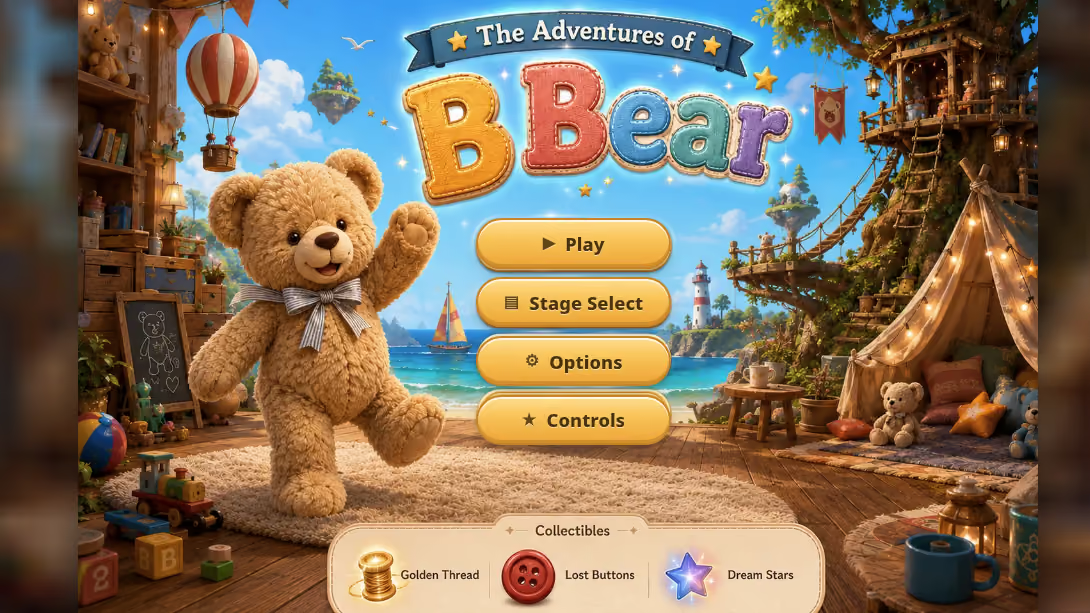
The hard part is not drawing the bear. It is deciding which of its repairs to keep.

A game for a four-year-old is not an easier game. It is a different set of five numbers, and one of them removes losing entirely.
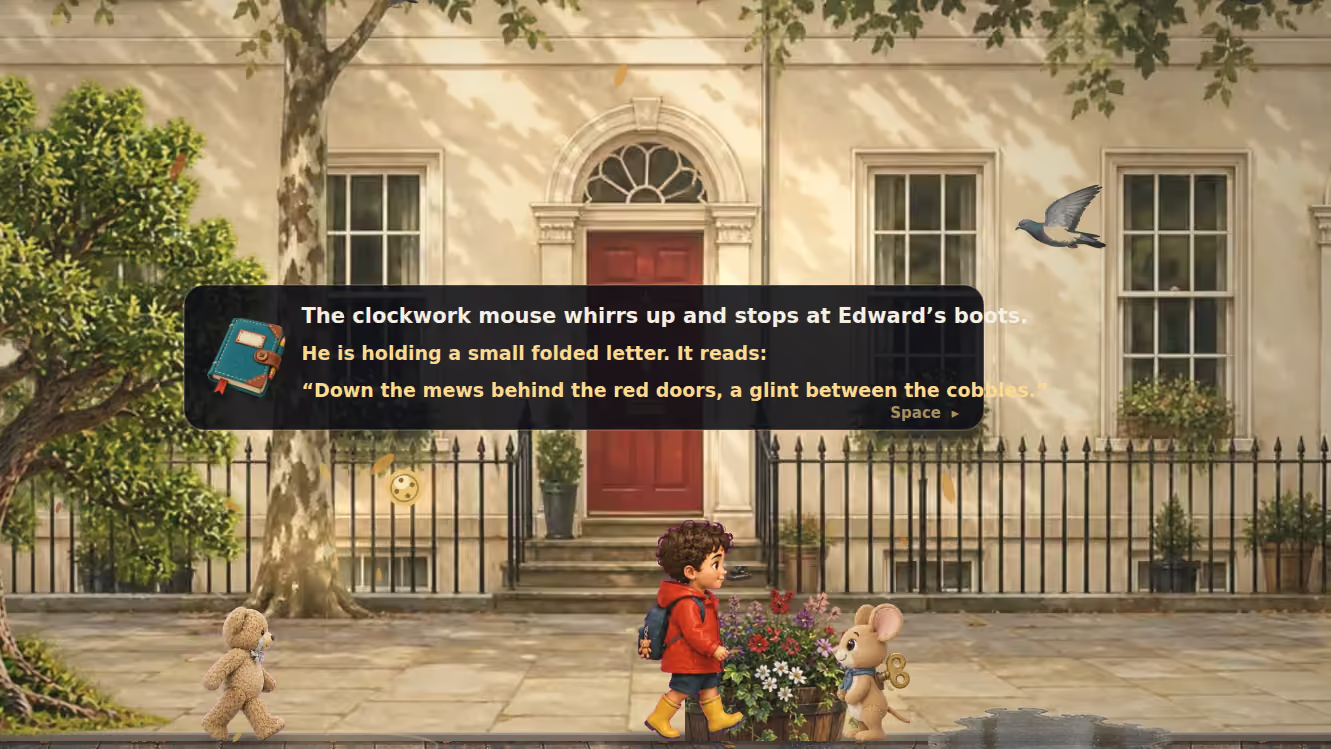
Three ways to put a character into a painted scene. Only one of them is parallax, and choosing between them is a per-room decision.
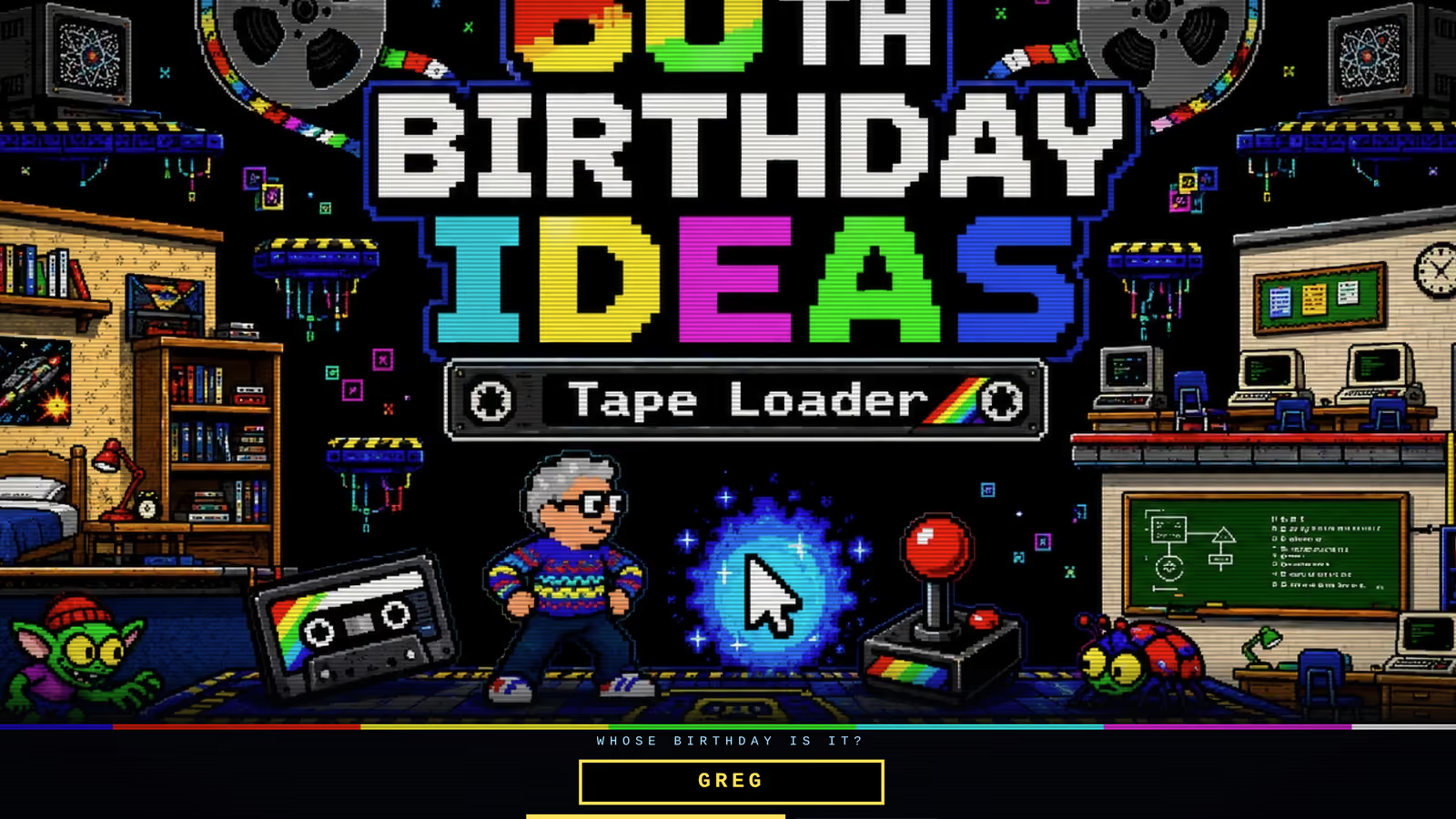
One of our games is 104KB of pixel art. Another is 20MB of painting. Neither choice was about taste.

A build can compile, open, look perfect and be impossible to finish. Ours are tested by a machine that plays them.
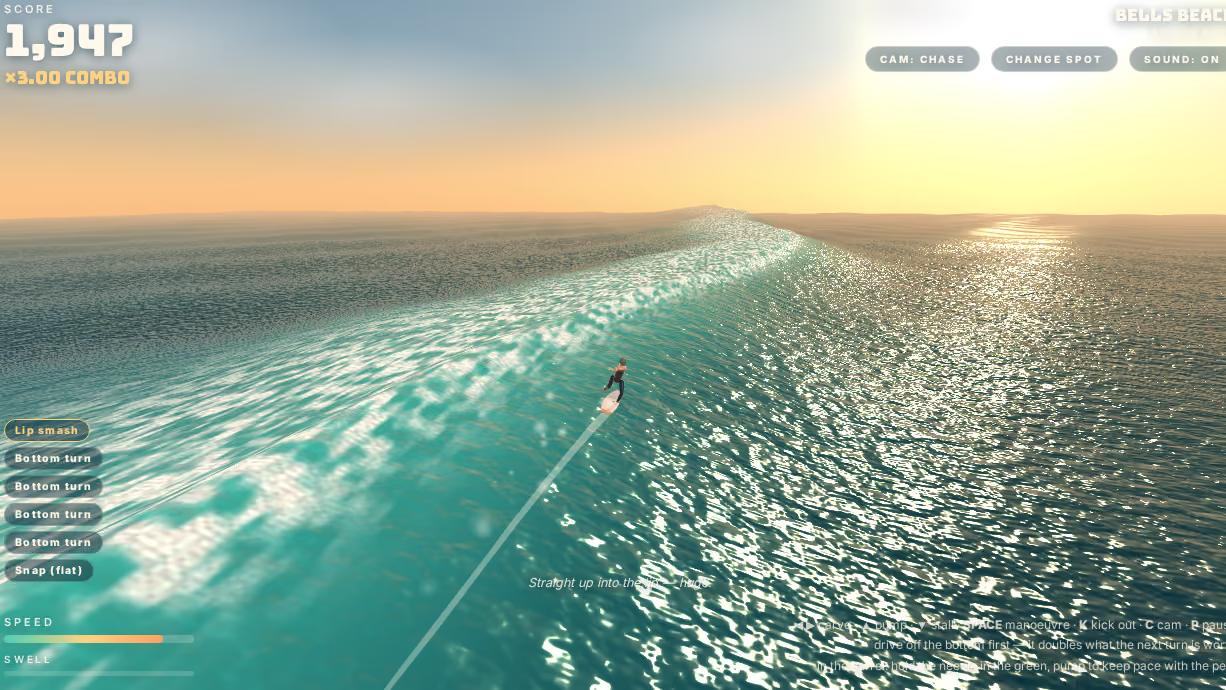
Every game ever made is the same three lines. Everything else is detail.
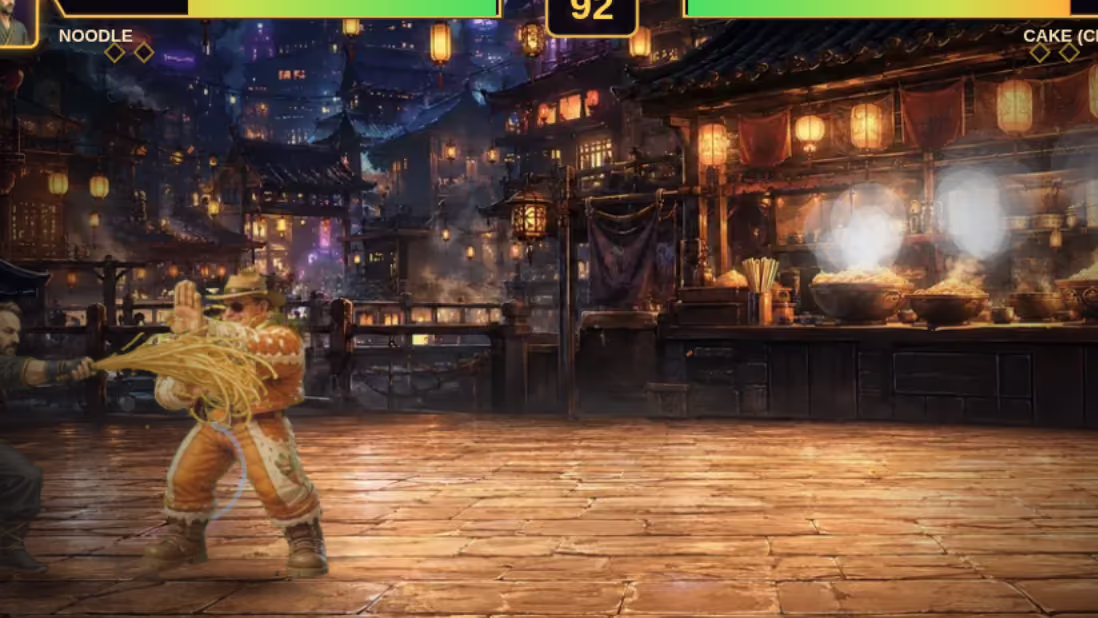
The standard answer is to pack every frame into one big image. Our games do the opposite, and the reason is worth understanding.
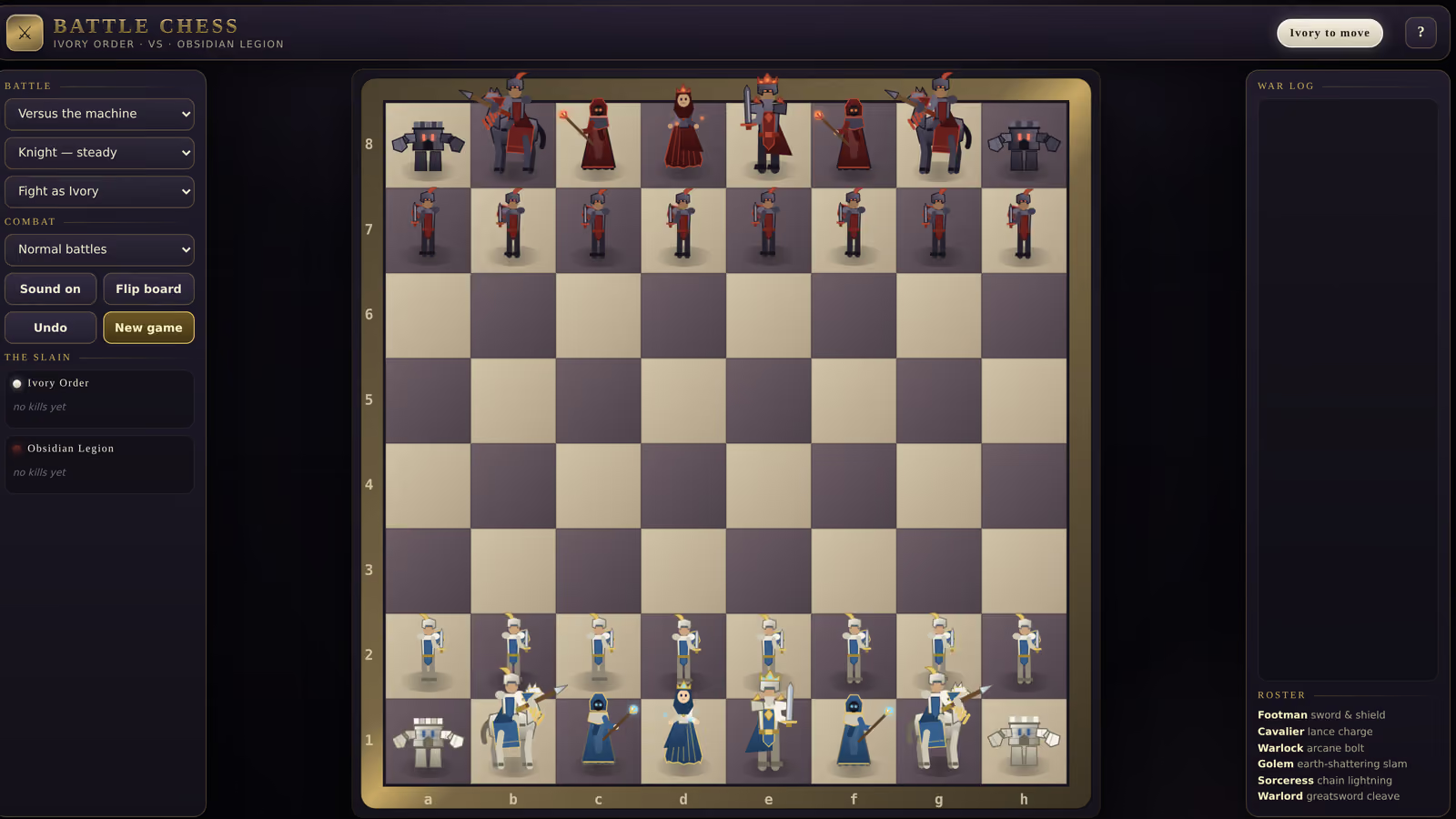
Our platformer has eight states and one variable holding which one it is in. Every bug we did not have is because of that.
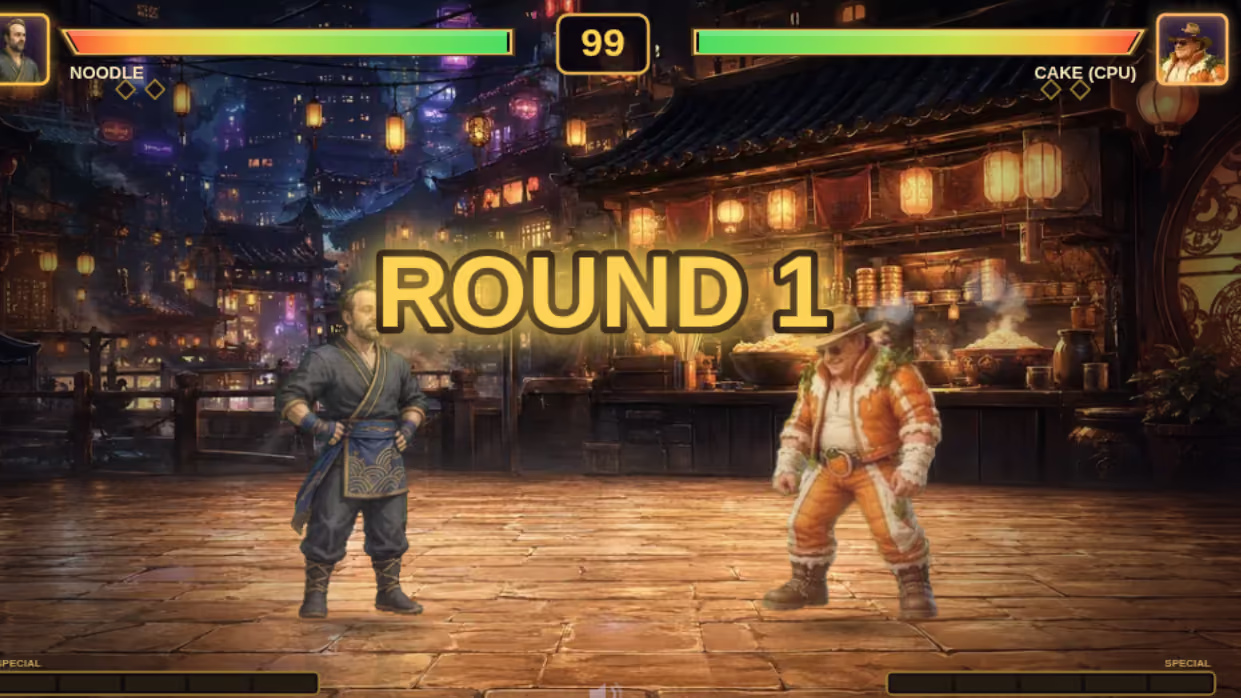
The measure of a commissioned game is not whether it is finished. It is whether it is opened again in March.
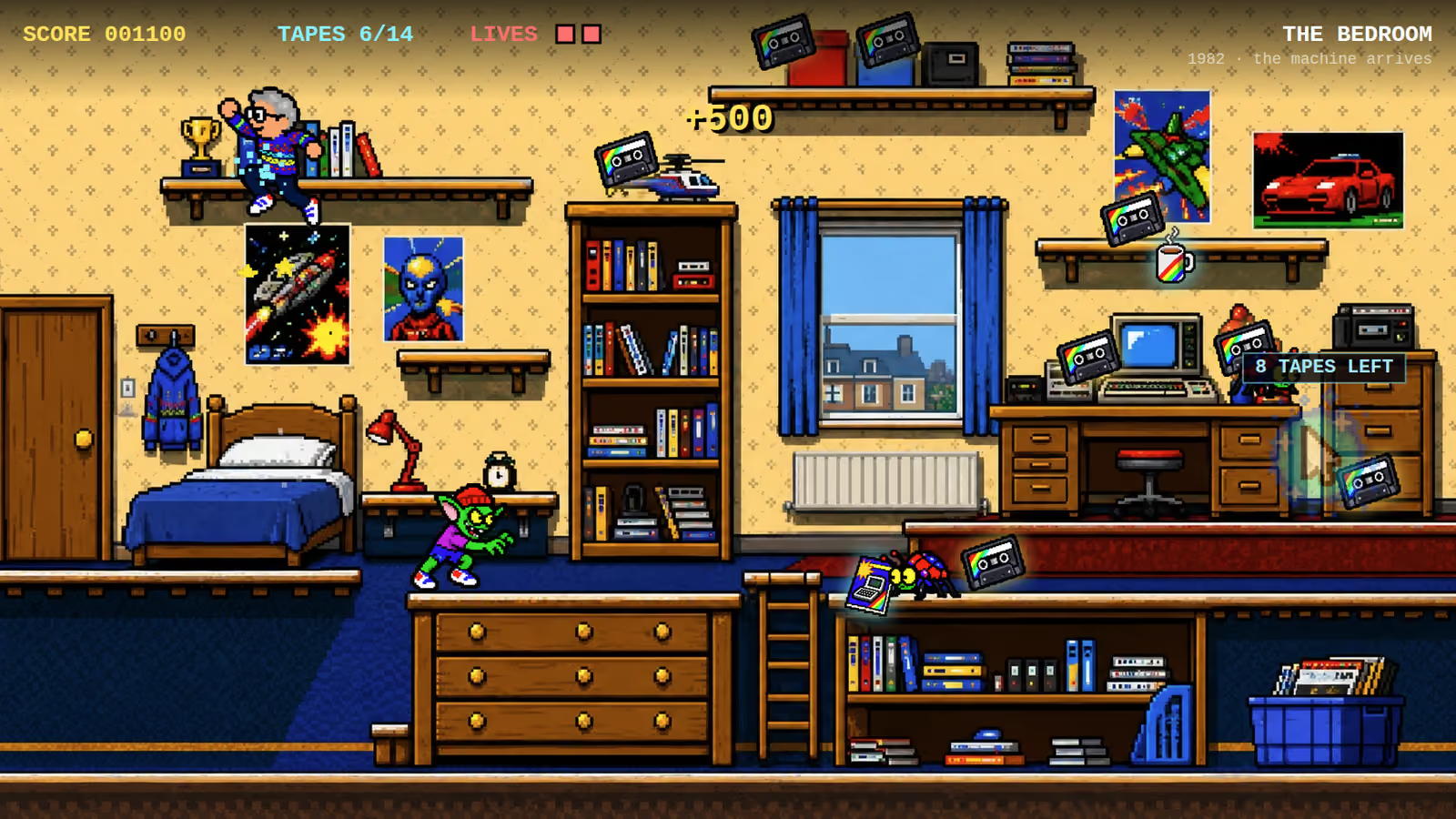
Every good platformer cheats in your favour. Here are the four places ours does it, and what each one is worth.
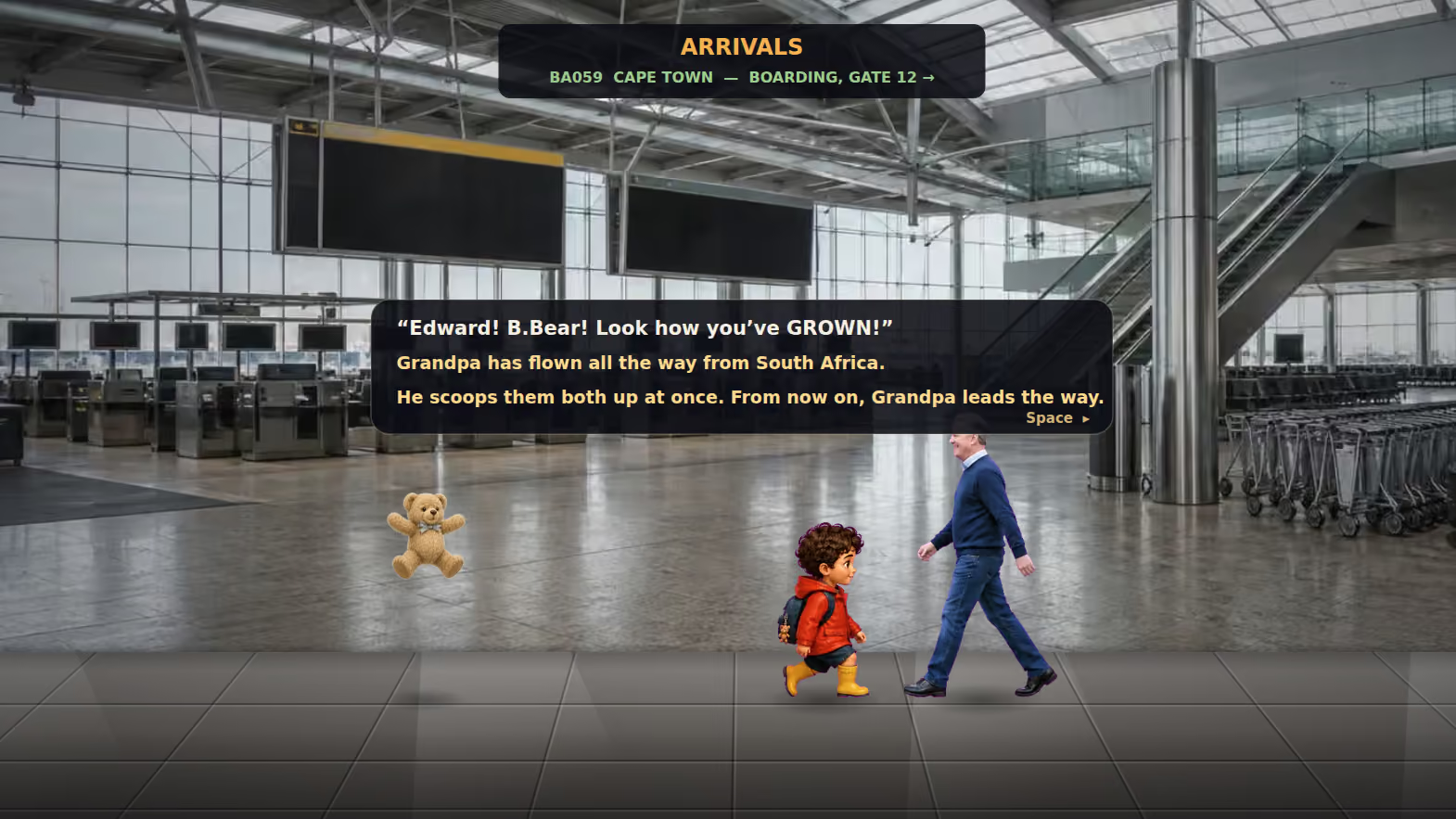
The code in our largest game is a rounding error. Everything you wait for is a picture.
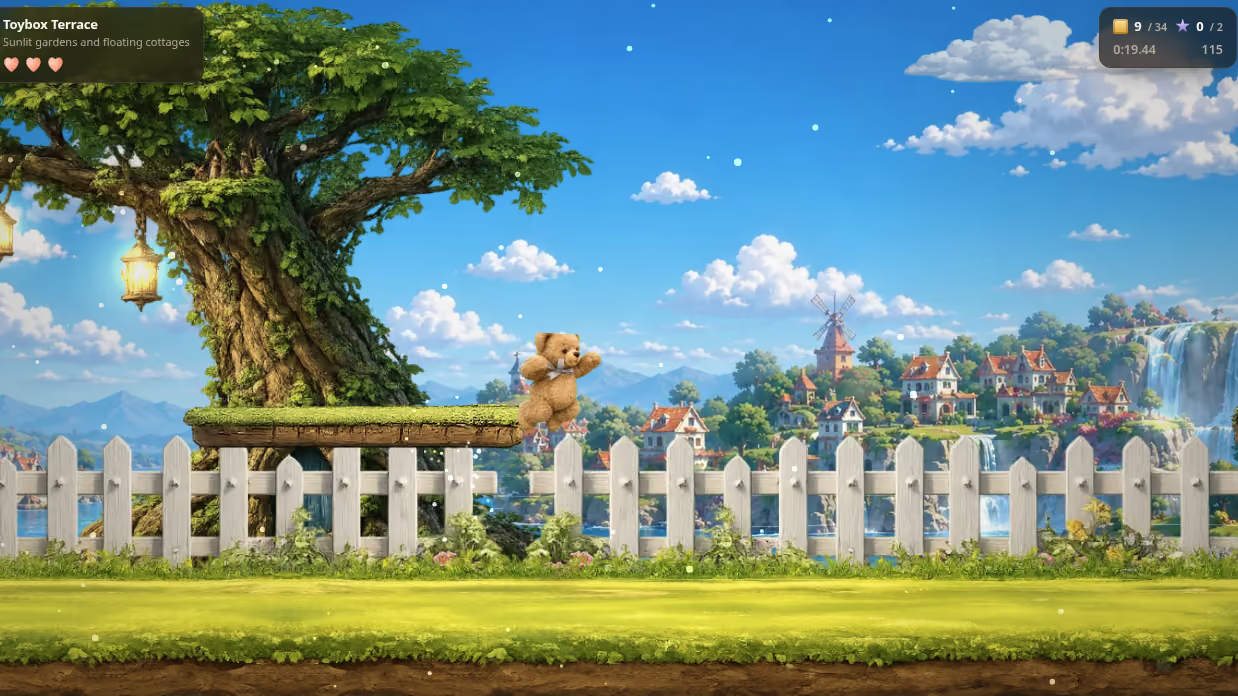
Our gentlest difficulty has no way to lose at all. That is a design position, not a compromise.
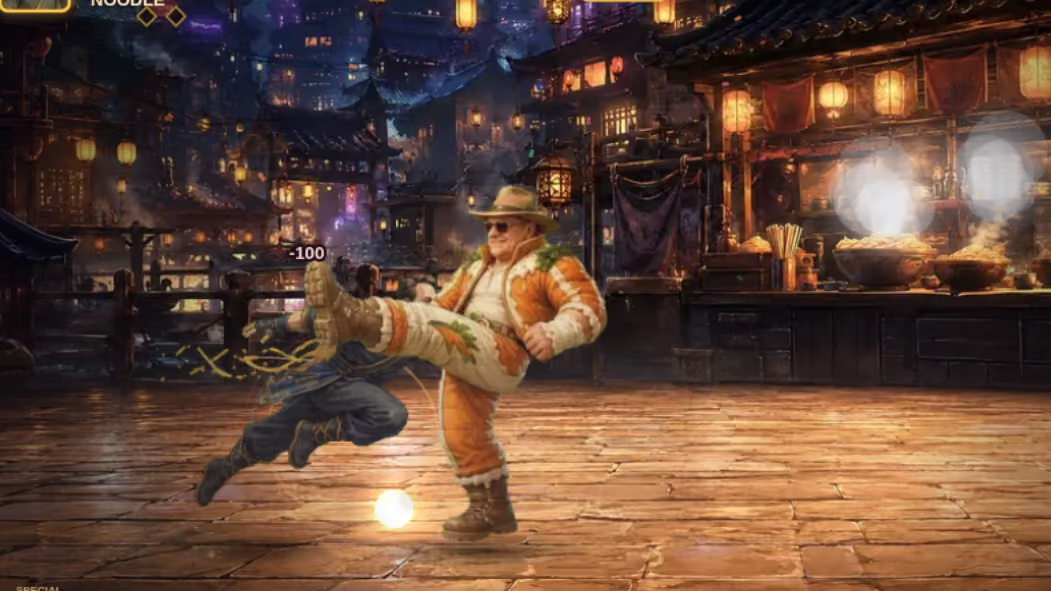
Sixty is not about smoothness. It is about the gap between pressing a button and seeing something happen.
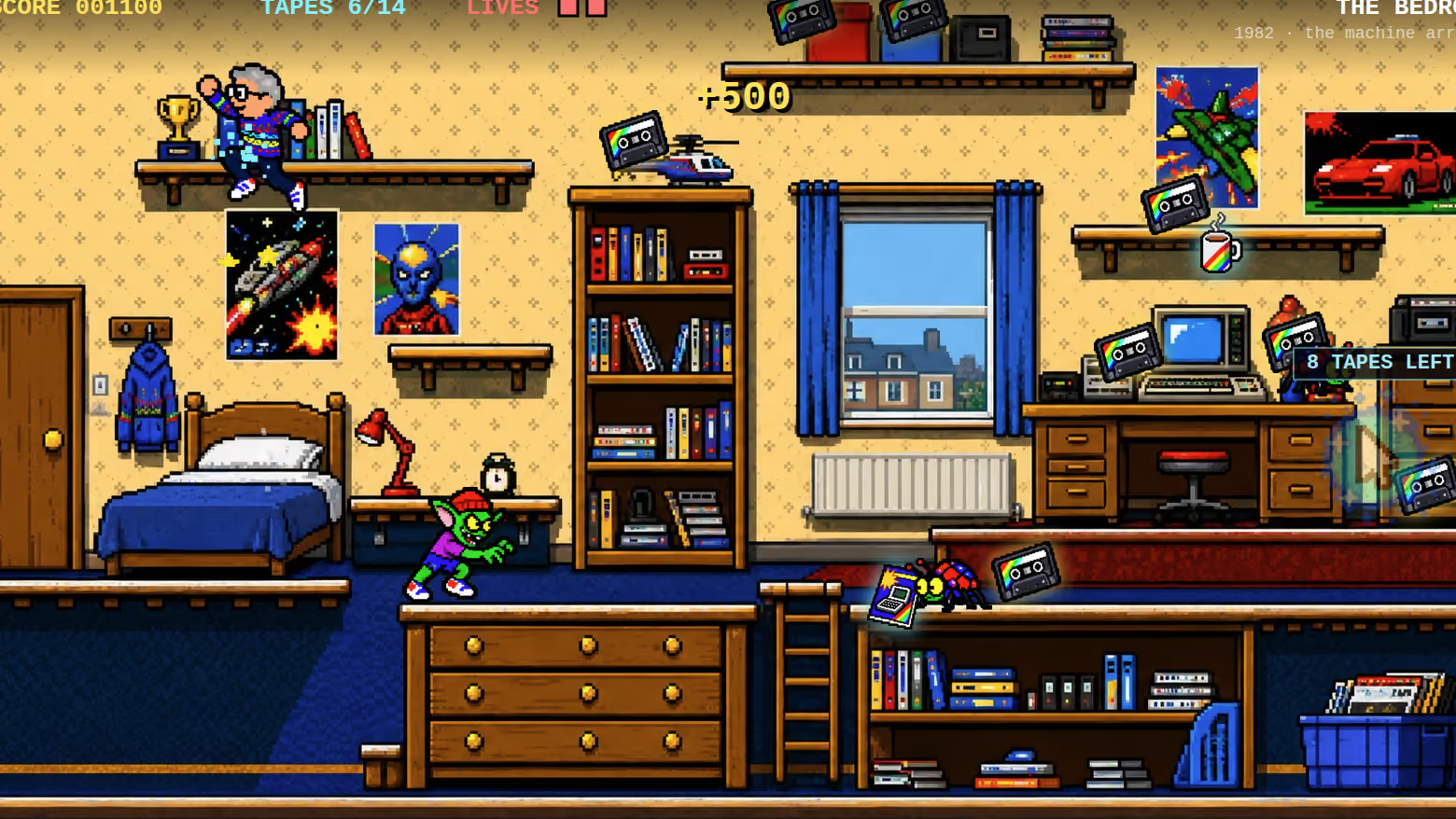
Collect one coin and it is satisfying. Collect fifty identical coins and you turn the sound off.
The first version of every level we build is coloured rectangles. That is not a shortcut, it is the only order that works.
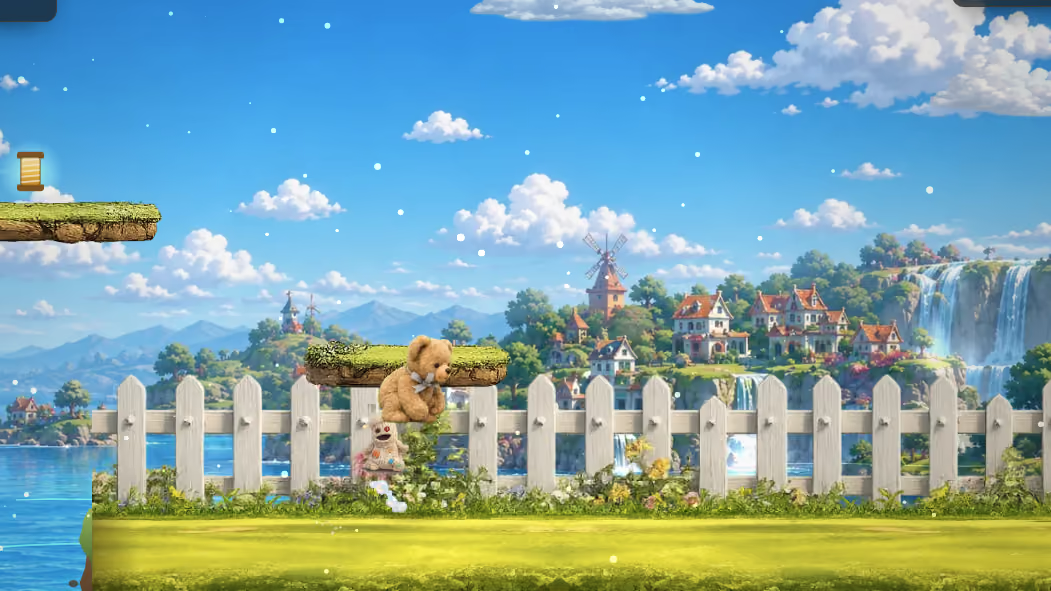
The standard advice is to scale everything by frame time. We do the opposite, on purpose, and the reason is testing.

Three of our games sit at 104KB, 3.3MB and 20MB. The difference is not quality. It is a decision made early about where the art comes from.

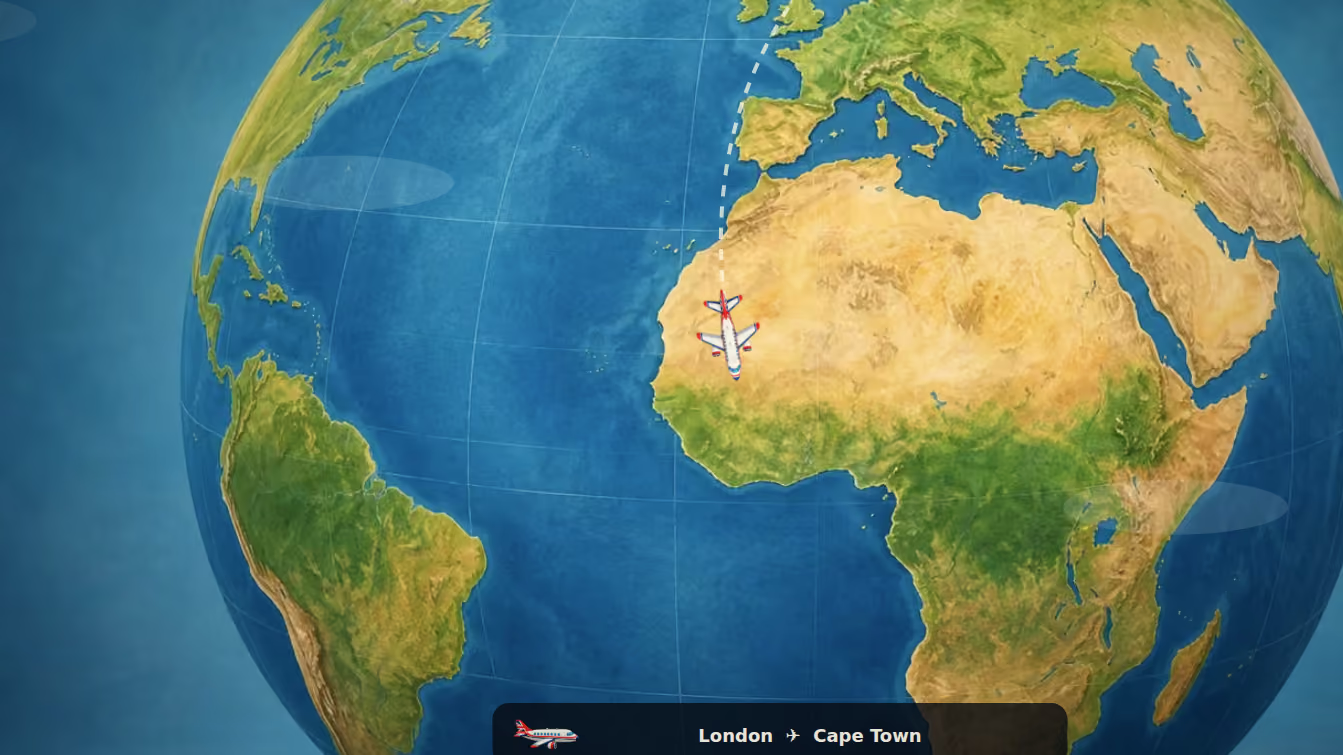
Twelve tube stations, three lines and a flight to Cape Town, in one HTML file. The problems that had to be solved, in the order they turned up.