The default stag or hen has become a three-day international package that costs four hundred pounds before anyone has eaten, requires annual leave, and quietly excludes the friend with a new baby, the one between jobs and the one who simply cannot fly that weekend. The group chat, meanwhile, has developed factions.
None of that is a rule. It is a habit, and it is worth examining, because the weekends people actually talk about years later are almost never the ones with the most flights.
What actually makes these weekends work
Three things, and cost is not one of them.
It has to be about the specific person. The failure mode of the package weekend is that it would be identical if you swapped the groom or the bride for a stranger. Every genuinely good stag or hen is built from the group's own material: the incidents, the running jokes, the thing they are famously bad at.
It has to be joinable in parts. Any adult friend group contains at least three budgets and two energy levels. A locked three-day itinerary forces people to opt out entirely. A core event with optional extensions around it lets the friend with the newborn come for the afternoon and go home a hero.
It needs one centrepiece, not nine activities. Over-programming is the most common planning error. One thing that could only happen at this person's stag, and a lot of unstructured time either side, beats a schedule.
Formats that pass the test
The tournament with a genuinely stupid trophy
Whatever the group actually plays: darts, crazy golf, karting, table tennis, cards. Bracket drawn up properly, engraved trophy bought cheaply and presented with total ceremony.
It works because it manufactures the thing a stag or hen needs most, which is a shared story with a winner in it. It also lets people arrive late and still spectate.
Suits: competitive groups, mixed fitness, any budget. The single most reliable format here.
One night, done properly
Instead of three mediocre days: one evening with a real budget behind it. The restaurant nobody would normally book, the good seats, the taxi home covered.
Unfashionable, and frequently the version the guest of honour would actually choose. It also removes the accommodation problem entirely, which is where most of the cost and all of the logistics live.
Suits: groups spread across the country, older parties, anyone with childcare.
The thing they genuinely love, taken seriously
They are obsessed with sea fishing, or bouldering, or a specific football club, or vintage cars. Build the day around that, at a level of quality they would not book for themselves.
The test is whether the guest of honour would choose the activity on an ordinary weekend. If yes, take them and pay for the good version.
Suits: people with one loud, well-known passion. Fails for anyone whose interests the group cannot name.
A commissioned game with the whole group in it
This is what we build, so read the following as informed rather than neutral.
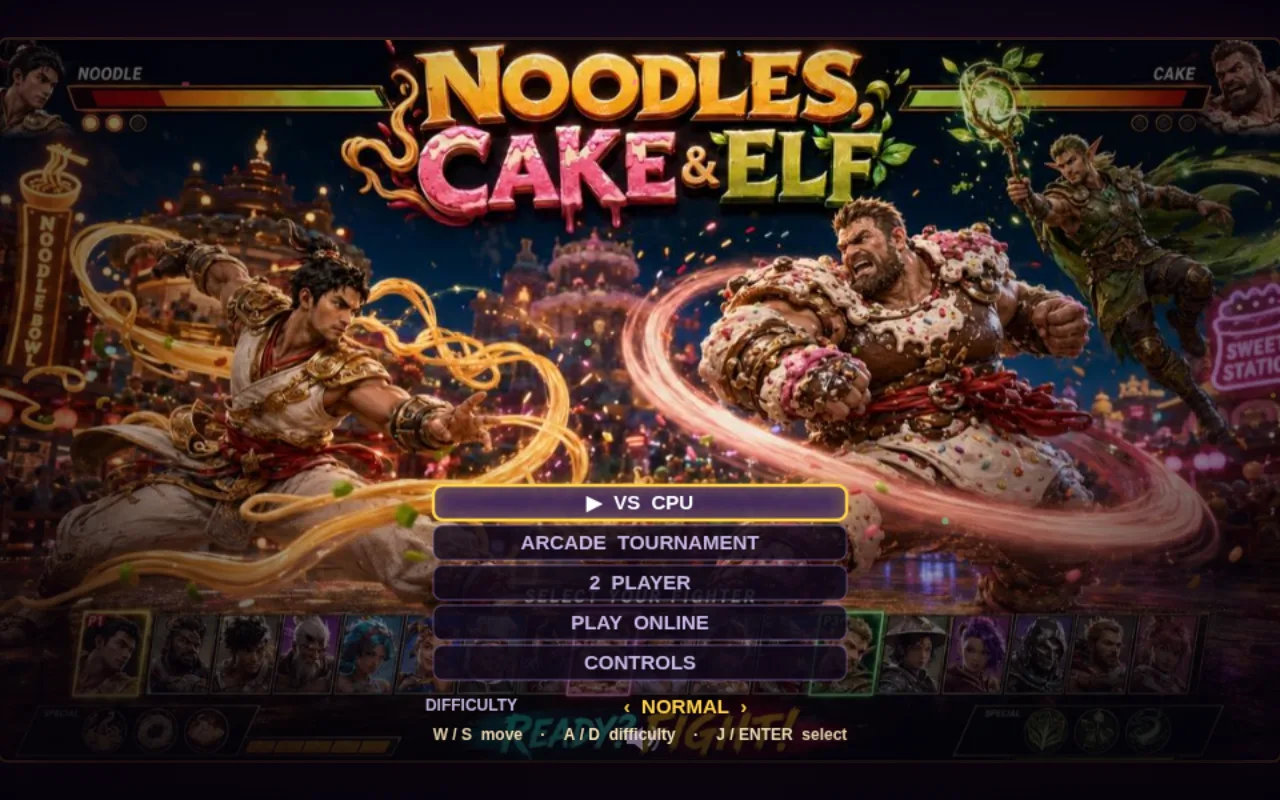
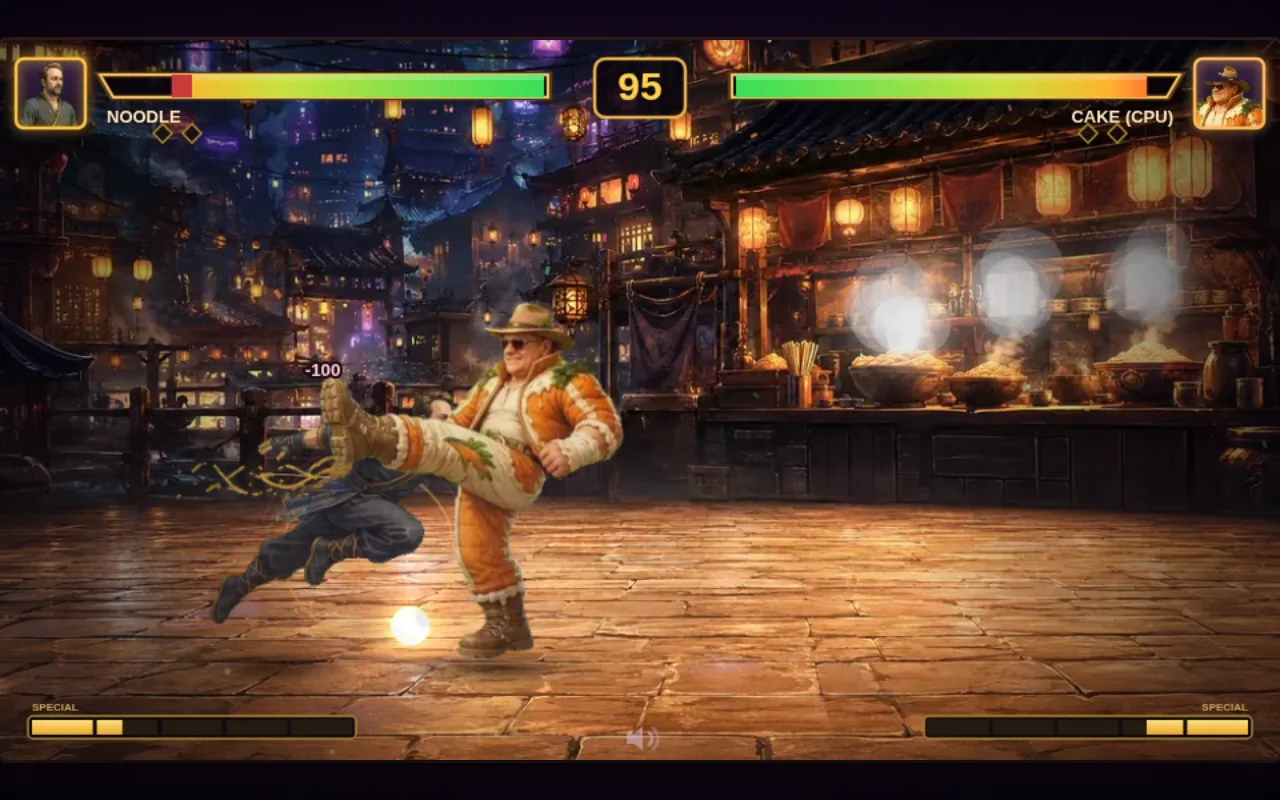
A fighting game with the group as the roster is the format that maps most exactly onto a stag or hen, because the material is already there. Every group has the one who is always late, the one whose cooking is a hazard, the two with an ancient rivalry. Painted as fighters with signature moves and scripted taunts, those become mechanics rather than anecdotes, and the groom or bride becomes the final boss. We have written about how a friend group becomes a roster in more detail.
Why it fits this occasion specifically:
- It runs the evening. At the 16-Bit tier from £1,200 there is a full arcade tournament mode, so the bracket organises the night without anyone having to compère it.
- It includes the people who cannot come. Painted into the roster, absent friends are present all weekend. For the mate who could not get the time off, that lands harder than a video message.
- It survives the weekend. Delivered as a private web link on any phone, kept permanently. Unlike everything else on a stag itinerary, it is still funny in March.
- It splits well. Divided across a group of ten, the top tier is a normal night out each. The 8-Bit tier from £349 covers up to twelve painted characters if the roster is the whole party.
The brief is where the group's history goes. Our cost guide covers pricing, and the process covers the photographs and the approval stage, which for this format doubles as the moment the organiser finds out whether the jokes have landed.
Suits: long-standing friend groups with deep lore. Weekends at home rather than abroad. Groups where someone will otherwise be excluded by cost.
The at-home weekend with a budget
A decent house, food that is not a takeaway, and the money that would have gone on flights spent on the inside of the weekend instead. Add one of the formats above as the centrepiece.
Suits: almost everyone, and it is the format most likely to include the whole group.
Planning without a group chat meltdown
Publish the cost before the date. The single biggest source of resentment is a price that creeps upward after people have committed. State the all-in figure first, and let people opt out without explanation.
Ask the guest of honour one question. Not "what do you want", which produces "anything, honestly". Ask: "what would you hate?" The answer is specific, immediate and far more useful.
Appoint one decider. Consensus planning produces the package weekend, because it is the only option nobody objects to. Someone has to choose, and the group should let them.
Protect the person paying least. Whatever the format, make sure there is a version of the weekend that costs a third of the headline number and does not feel like a consolation prize.
The organiser's timeline
Most stag and hen weekends are not ruined by the plan. They are ruined by the schedule, because the organiser starts three weeks out and discovers that everything good requires notice.
Four to six months out. Agree the date with the couple before anything else. This is the only step that cannot be compressed, because it depends on other people's annual leave and childcare, and every subsequent decision is downstream of it.
Three months out. Publish the all-in cost and take the deposits. Not the plan, the cost. People commit to a number far more reliably than to an itinerary, and the ones who cannot afford it deserve to know now rather than in week eleven.
Two months out. Book the centrepiece. Anything made rather than bought sits here, including commissioned work, where the schedule is agreed per commission and an early enquiry buys you options rather than compromises. Anything assembled from other people's contributions sits here too, because contributors are slow.
Two weeks out. Confirm numbers, send one message with everything on it, and stop planning. Late additions to a weekend itinerary are where organisers lose their remaining goodwill.
The day itself. Hand over. The organiser who is still running the schedule at nine in the evening has not had the weekend they arranged for everyone else, which is a small injustice that happens with great regularity.
The mistake to avoid
Planning the weekend you want. This is the same failure as proposing the way you would like to be proposed to: the occasion belongs to somebody else, and the organiser's own idea of a good time is the least relevant input available.
If the wedding itself is next on the list, entertainment beyond the photo booth covers the day, and gifts for the couple who have everything covers the present.