There is a moment every Christmas afternoon, somewhere between the last cracker and the first argument about the washing-up, when the presents are all open and the house is full of things nobody is quite using. It is the natural end point of a system where everyone buys everyone else an object.
An increasing number of families have quietly renegotiated: fewer individual presents, and one proper gift for the household. Done well, it is the best value in Christmas. Done badly, it is a fondue set.
This is a guide to doing it well.
The test a family gift has to pass
One question separates the gifts that work from the fondue sets: is there a reason to come back to it in February?
Christmas Day flatters everything. The room is full, the mood is generous, and even a novelty gift gets an hour of attention. The gifts that justify replacing a pile of presents are the ones with a pull that survives into ordinary weekends, when nobody is performing festivity.
Three things create that pull: genuine replayability, a scheduled reason to return, or the family itself being in the gift.
What passes
The serious board game, chosen seriously
Not another party game. One title matched to the family's actual appetite, bought with the confidence of a specific recommendation rather than a supermarket end-cap.
The trap is buying for the family you wish you were. A household that abandons games after twenty minutes needs a brilliant twenty-minute game, not a three-hour epic.
Suits: families who already play. Budget modest, lifespan potentially decades.
The membership or season ticket
Zoo, National Trust, the football, the climbing wall. A gift that is really twelve scheduled reasons to do something together, which is the thing busy families are actually short of.
Suits: families whose free time dissolves without a fixture. The gift is the calendar, not the card.
The game starring the family itself
This is what we build, so read the following as informed rather than neutral.
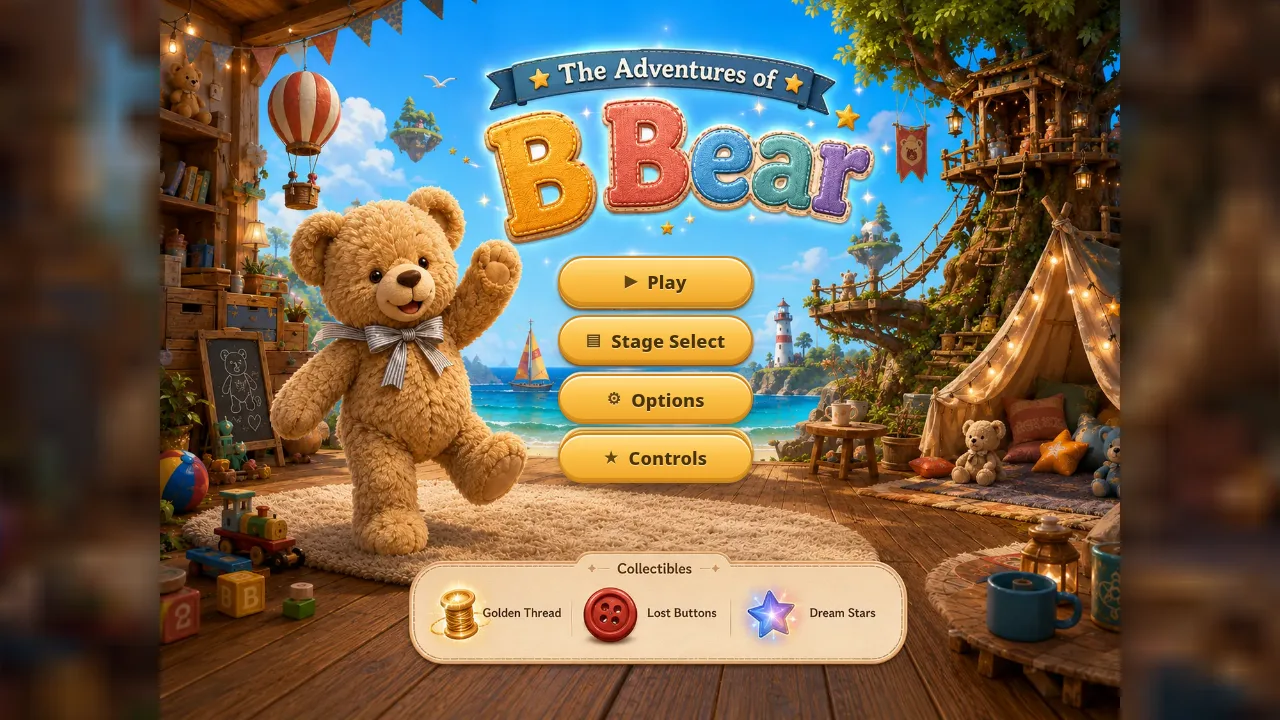
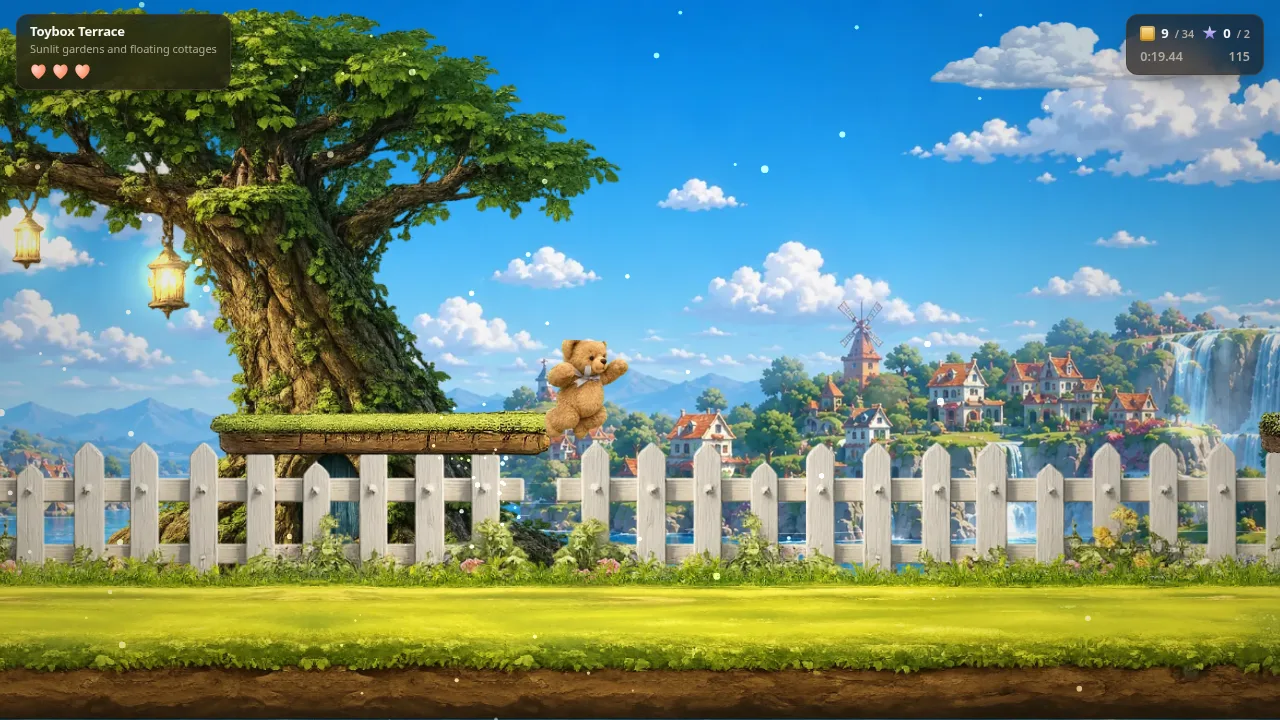
A commissioned game casts the family as its characters: every member hand-painted from photographs, the house, the pets, the in-jokes and the annual arguments all in it. It passes the February test in the most literal way available, because the reason to come back to it is that you are all in it.
As a whole-family Christmas gift it has a few properties worth knowing:
- It scales to the real cast list. Up to three painted cameos at 1-Bit from £99, up to twelve at 8-Bit from £349, unlimited at 16-Bit from £1,200. Twelve covers most households including grandparents; unlimited covers the full Boxing Day gathering.
- It works across every age in the room. A seven-year-old and a grandparent can both play a ninety-second level, and both will recognise the jokes. Very few gifts genuinely span that range.
- Christmas morning is a reveal. It arrives as a private web link, so it can be opened on the television with everyone watching, then passed from phone to phone all afternoon.
- It keeps. The build is yours permanently. Next Christmas it is still there, which is more than can be said for most of the pile.
One honest caveat: this is a made thing, and making takes time. The schedule is agreed per commission, so a Christmas build wants an enquiry in the autumn, not in December. The process explains the stages, and our cost guide covers what moves the price.
Suits: families with strong running jokes and a photo archive. Households negotiating away the present pile. Grandparents wanting one significant gift instead of guessing at six individual ones.
The assembled year
A printed book or film of the family's year, done annually. The first one is a gift; by the third it is an institution, and the shelf of them becomes the most valuable object in the house.
Suits: the family archivist, if you have one. Cheap, laborious, compounding.
The big shared experience
The trip, the show, the match, booked for everyone. The strongest version has a fixed date in January or February, precisely to shorten the post-Christmas flatness.
Suits: families where the diary, not the money, is the scarce resource. The failure mode is the undated voucher, which is a promise rather than a gift.
What fails, and why
The novelty appliance. Anything whose entire use case is Christmas Day. The fondue set, the chocolate fountain, the pizza oven for a household that orders in. These are props for a single afternoon.
The gift that is secretly for one person. The games console "for the family" that lives in one bedroom by January. If it will be used by one person, give it to that person honestly.
The five-presents-in-one-box. A hamper of individual items is not a family gift; it is the same pile with shared wrapping.
If there are young children in the house
The one group who genuinely lose out in a straight swap to a single family gift are small children, for whom the volume of parcels is a meaningful part of the day. Any household making this change with a five-year-old in it needs to solve that rather than argue with it.
The version that works is to keep the child's own pile roughly intact and take the reduction out of the adults, who are the ones exchanging candles anyway. The shared gift then arrives as an addition rather than a subtraction, which is a completely different negotiation.
It also changes what the shared gift should be. With young children in the room, the family gift has to be playable by a four-year-old on Christmas afternoon without a tutorial, or it becomes an adult gift with children watching. That is one of the reasons commissioned builds skew toward the children in the family: a game starring a child's own teddy is a gift the whole room enjoys watching, and the person enjoying it most is three feet tall.
What to do about the grandparents' contribution
Grandparents are usually the largest single funder of a family gift and the least consulted about it, which is how families end up with an awkward conversation in November.
Two things make it painless. Tell them the total and their share as a figure rather than asking what they would like to put in, because the honest answer to an open question is a guess at what everyone else is giving. And make sure they are visibly in the gift itself: painted into the game, named in the book, listed on the ticket. A contribution to something they are also part of reads very differently from a contribution to something for the grandchildren.
Making the swap without a mutiny
If the family is used to a full tree, going from twenty parcels to one is a negotiation, not an announcement.
The version that works in most households: each person still gets one small individual present to open, and the family gift is revealed last, as the centrepiece. The ritual of unwrapping survives; the budget concentrates where it counts.
For grandparents, the swap is usually a relief. One contribution to something meaningful beats guessing at sizes and tastes across six people, and if the something is a commission featuring the grandchildren, they tend to be the first to volunteer.
The mistake to avoid
Waiting for consensus. Family gifts die in the group chat, where every option gathers one objection. Someone has to simply decide by November, and the decider earns the right to choose by being the one willing to organise it.
If the family occasion in your calendar is an anniversary rather than Christmas, the silver-and-ruby logic is the same instinct pointed at two people. And for the one relative impossible to buy for individually, the gamer gift guide handles the hardest chair at the table.