A 90s childhood has a very particular texture, and almost none of it is on the shelf in the nostalgia aisle. It is the specific weight of a cartridge. The ritual of blowing into it, which never worked and which everyone did anyway. The demo disc off the front of a magazine, played until the disc gave out, containing three levels of a game nobody ever bought. Taping the chart off the radio with a finger hovering over pause so the DJ would not talk over the intro.
The people who lived through it are now somewhere in their late thirties and forties, buying houses and having birthdays with round numbers attached. And they are being given a lot of novelty tins.
This is a guide to the gifts that land instead.
The 90s nostalgia is bedroom-shaped
Worth separating from the decade before it. If someone's formative gaming years were the 80s, the memory is a public one: a room full of machines, a pocket of change, a crowd behind the cabinet. We have written about what to buy that person separately, because they want different things.
The 90s childhood moved indoors. The machine was in the corner of a bedroom or fought over in a living room. It was two players on one sofa, a second controller with a dodgy left direction, and a sibling who would unplug it at a decisive moment. Progress was not saved so much as held, sometimes for days, by simply refusing to switch the console off.
That difference matters when you buy. The 80s gift is about a place. The 90s gift is about a room, a person and a very specific year.
Establish the year, not the decade
The single most useful question you can ask, ideally months in advance and in passing: "what did you get for Christmas when you were eleven?"
Nobody forgets. The answer comes back instantly and in detail, and it dates the nostalgia to within about twelve months. Someone who was eleven in 1992 imprinted on cartridges, side-scrolling and a mascot with attitude. Someone who was eleven in 1998 imprinted on the first wobbly three-dimensional worlds, a memory card, and a soundtrack on a CD they could also play in the car.
Both of them will describe themselves as "a 90s kid". They want almost completely different presents.
Gifts that pass the year test
The actual machine, working
Not a miniature reissue. The real console, sourced, cleaned, recapped where it needs it, and fitted with an output that works on a modern television. The controller matters as much as the machine: the hands remember the shape of it, and the wrong pad breaks the spell instantly.
The gift here is genuinely the effort. Finding the right unit in the right condition is a search, not a purchase, and the person receiving it knows that.
Suits: anyone who still names a specific console unprompted. Start looking two months out.
The thing that was never theirs
More interesting than replacing what they had: buying the one they did not get. The console their friend down the road had, that they only ever played on Saturdays. The game they rented from the video shop three times and never owned.
Every 90s childhood has one of these, and it is usually a better story than the machine they actually owned. It also costs the same and lands about four times harder.
Suits: anyone with a rivalry, a sibling, or a well-documented childhood grievance.
Framed originals from the exact year
Not a reproduction print of a mascot. The magazine with the review in it, the original poster that came folded inside, the cover art from the year they were eleven, framed properly.
This is the gift for the person whose house is now nice and whose partner has views about a console in the living room. All of the decade, none of the wiring.
Suits: homeowners with wall space. Cheap, and it fails completely if the year is wrong.
The soundtrack, on something physical
The music of that decade is the most portable part of it, and a great deal of it now exists on vinyl in short runs. For someone who has had one particular tune stuck in their head since 1996, having it as an object is not the same experience as finding it on a streaming service.
Suits: anyone with a record player. Modest cost, disproportionate reaction. Works equally well for chart music and for game scores.
The reunion, disguised as a tournament
Book a room, gather the four people who were actually on the sofa, and play the thing they used to play, badly, for an evening. The gift is the people rather than the game.
Everyone means to organise this and nobody does. Being the person who finally books it is worth more than any object on this list.
Suits: friendship groups that drifted to different cities. Costs a room hire and some persistence.
A game of their own, built in the shape they remember
This is what we build, so read the following as informed rather than neutral.
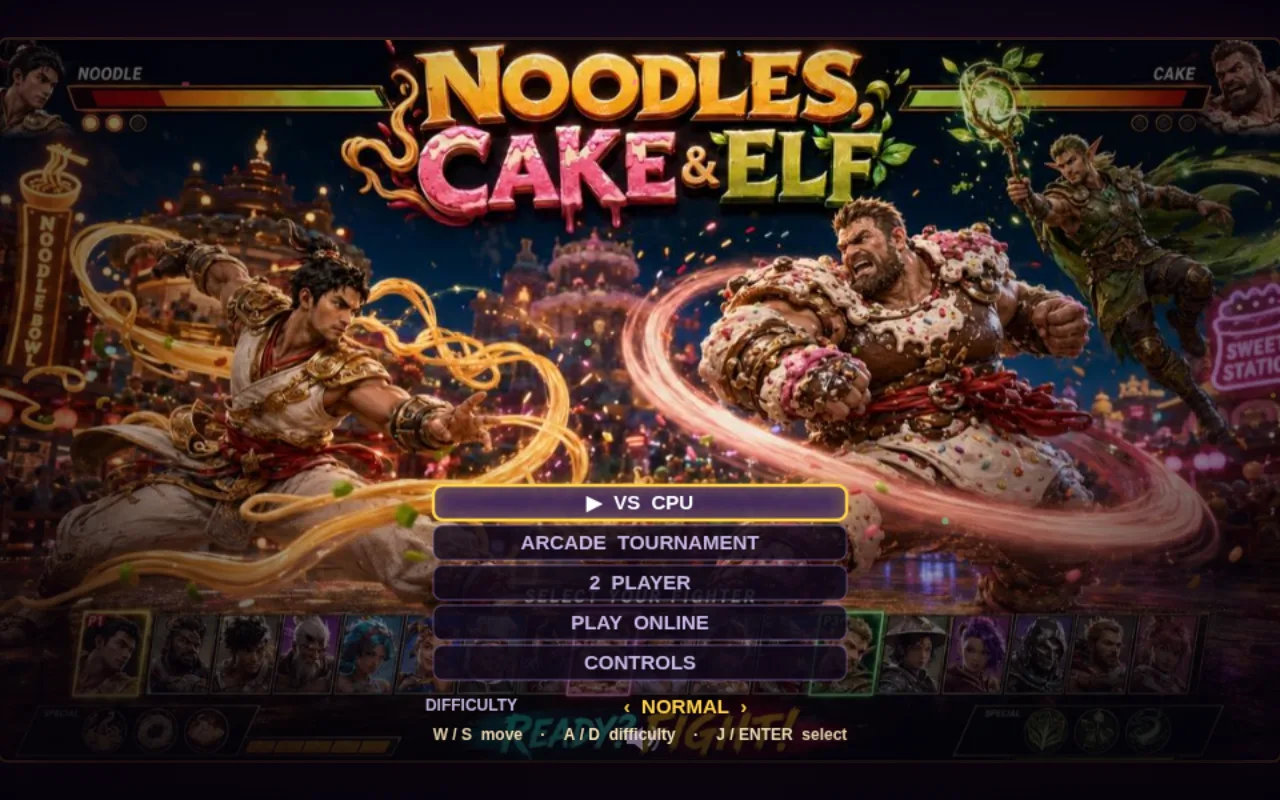
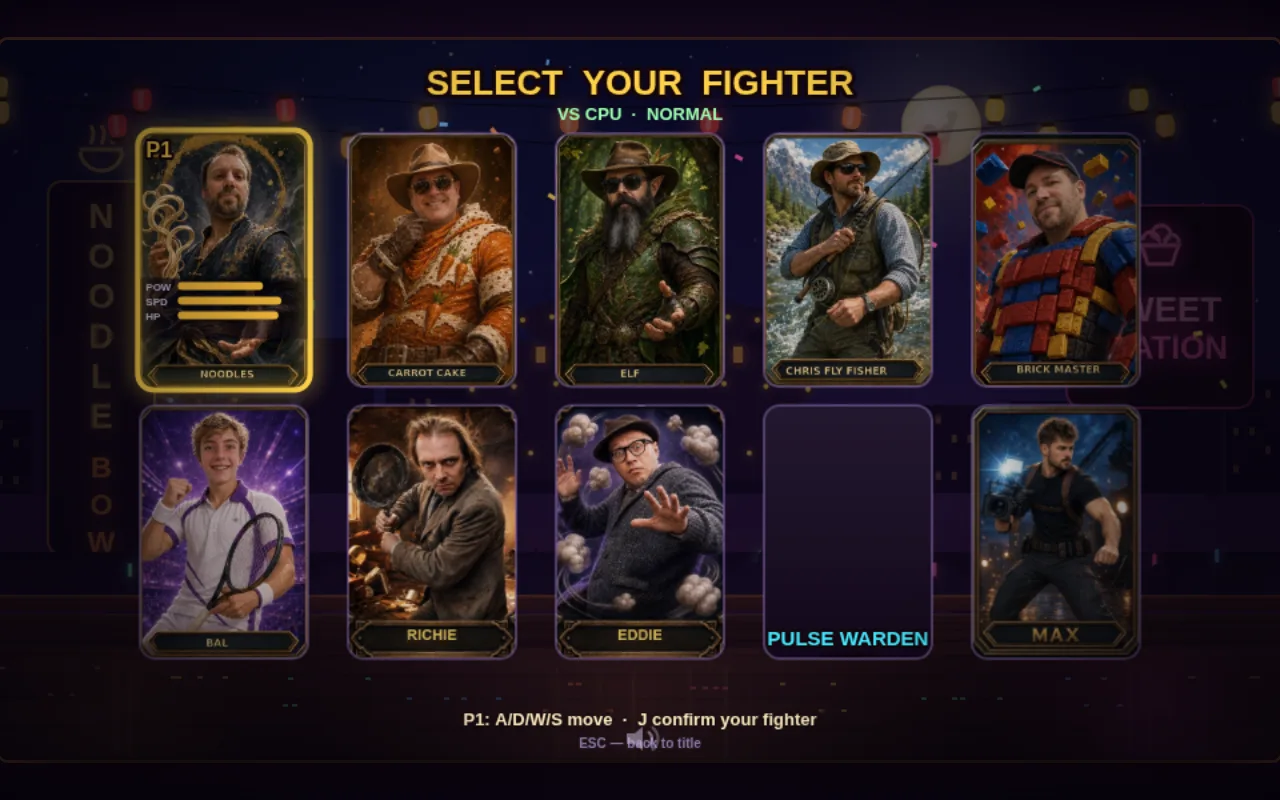
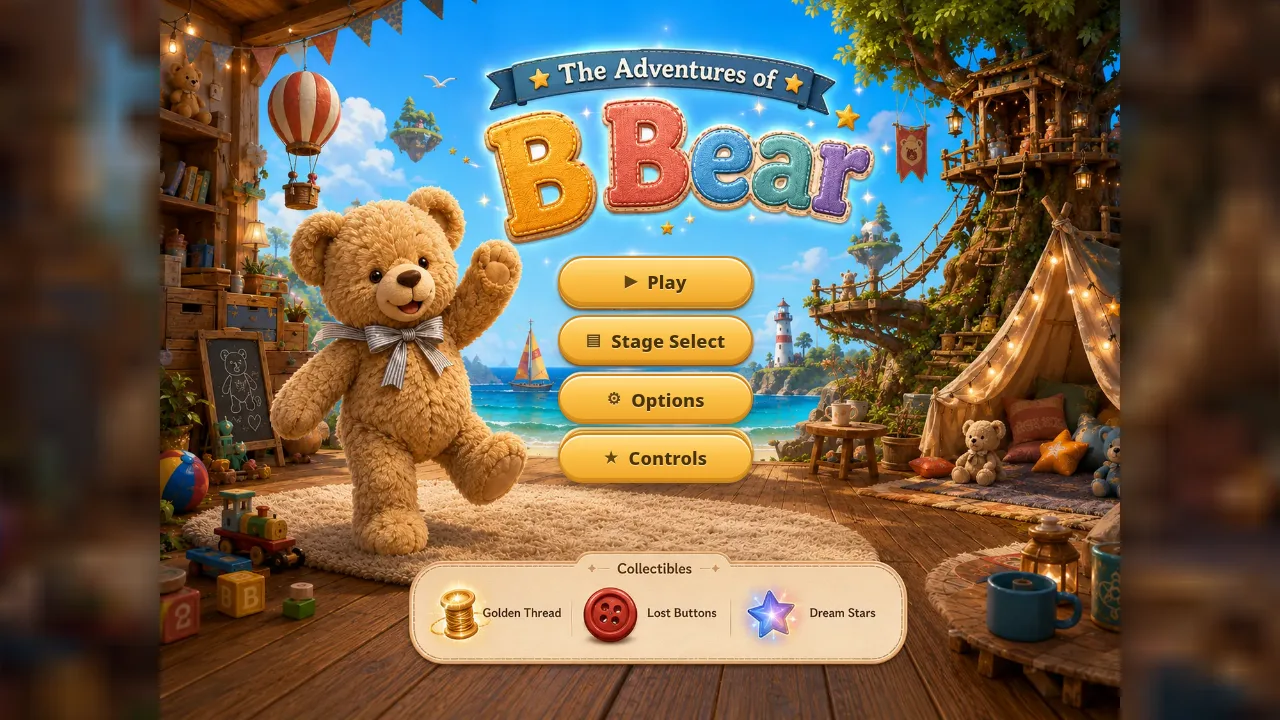
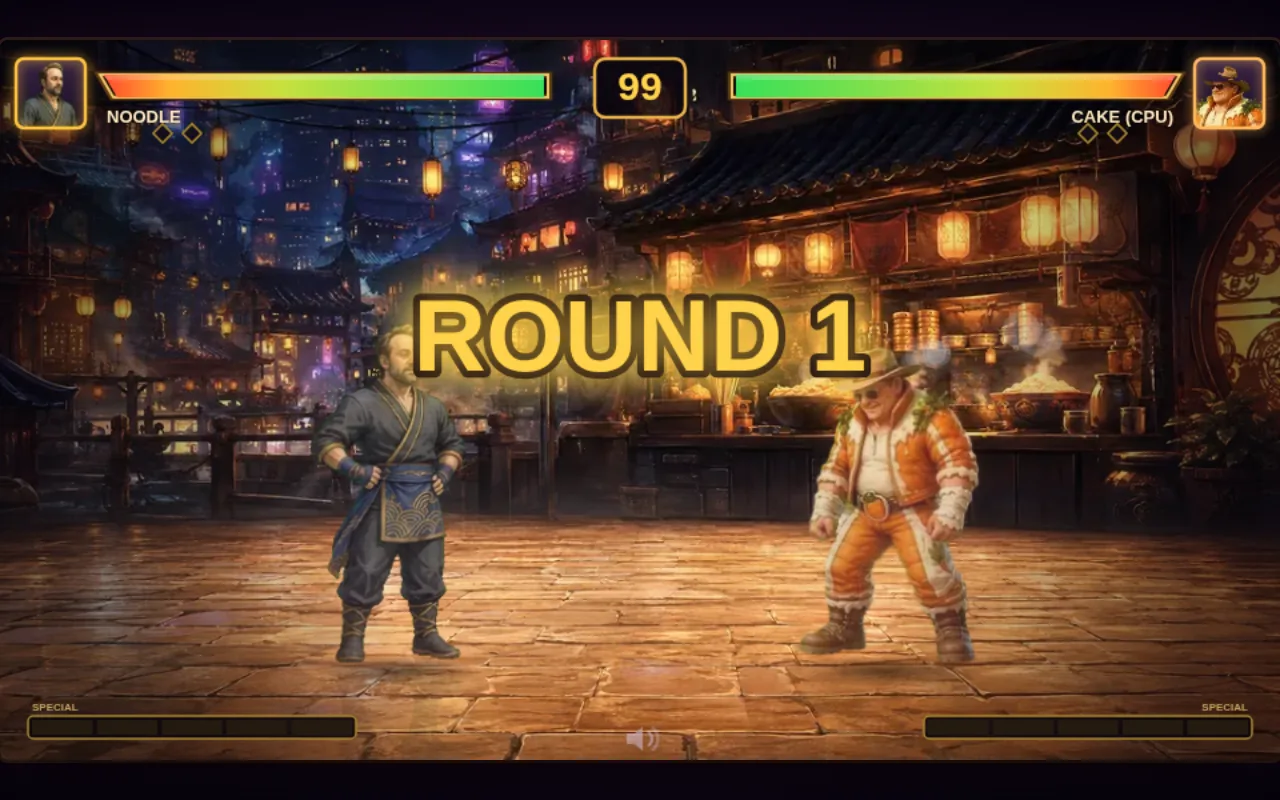
A commissioned game puts the person inside the format their childhood ran on: hand-painted from photographs, with the people around them painted in, a proper title screen with their name on it, levels, a boss, and an original score written for the build.
Worth being precise about what it is. Our work is hand-painted and cinematic rather than a pixel-perfect emulation of any particular 1994 machine. The nostalgia here lives in the structure and the ceremony, not in counterfeiting a specific game. For most people from this era that is exactly the right trade: what they miss is not really the pixels, it is being eleven and having a whole world open when the title screen came up.
The shape of it:
- 1-Bit, from £99. One hand-painted level of around ninety seconds, up to three cameos, an original short score. The tier that works as a gift from one person.
- 8-Bit, from £349. Three levels, a boss encounter, up to twelve painted cameos, cutscenes and a full original soundtrack. The group-gift tier, and the one where the story gets properly told.
- 16-Bit, from £1,200. The full production, unlimited cameos, cutscenes throughout, and an arcade tournament mode.
- Delivered as a private web link that works on any phone or laptop, and theirs to keep permanently.
The brief is where the decade goes. The sibling who unplugged the console, the game they rented and never returned on time, the school they attended painted as a level: all of it is usable material. Our cost guide covers what moves a quote, and the process covers the photographs and the approval stage.
Suits: the fortieth birthday. Group gifts where the arithmetic splits well. Anyone who has already bought themselves everything else on this list.
What fails, and why
The decade-wide novelty tin. The sweets tin, the slogan mug, the quiz book of things you remember. These are gifts about the category, and they say you knew roughly when the person was born rather than anything about the person.
The wrong end of the decade. A 1999 reference for someone whose years were 1991 to 1994 is worse than a neutral gift, because it demonstrates a near miss. One question in advance prevents this entirely.
The cheap all-in-one emulation box. The bargain unit preloaded with a suspicious number of titles. Anyone who played these games properly can feel the lag, and the gift reads as approximate.
Anything that treats it as a phase. This is a competence they have had for thirty years, not a quirk. Presents that gently make fun of the hobby are received politely and never seen again.
The group-gift arithmetic
The strongest versions of these gifts are funded collectively, which is convenient, because the people from this era tend to come in a group that is still in a WhatsApp thread arguing about something from 1998.
A restored console, a booked reunion or a fighter with the whole group painted into the roster all split across six or eight people into an ordinary birthday spend each, and arrive as the gift of the decade. Somebody has to start it, though; a group of eight will discuss a gift indefinitely and buy nothing.
If the birthday attached is a fortieth, the party notes cover the reveal, and for the slightly younger sibling whose childhood was a PlayStation 2 rather than a Mega Drive, the gamer gift guide is the version aimed at them.