Commissioning anything bespoke has an uncomfortable middle, where you have paid for something you cannot yet see and have to take it on trust that the person building it understood you.
This is an account of how we remove that. Four stages, with approval gates built into the two that matter, so you always know what is being made before it is made.
Stage one: the brief
It starts with a discovery call. Not a sales call, a mapping exercise.
We are trying to find the story: who the hero is, which guests need to be in it, the inside jokes, and the moment the whole thing is building toward. That last part matters more than people expect. A game made for a surprise unveiling at a fortieth is structured differently from one that has to hold a room's attention for three hours at a wedding reception.
What we need from you before the build begins is genuinely modest:
- One clear photo of each person you would like painted in. Clear means the face is visible and reasonably lit. It does not mean professionally shot. Phone photos are fine.
- A short written brief covering the occasion. A few paragraphs is plenty.
That is the whole list. Everything else comes out of the conversation.
What makes a brief good
The best briefs are specific rather than long. "He is obsessed with his allotment and everyone teases him about the marrows" is worth more than three paragraphs about what a lovely person he is. Catchphrases, running jokes, the family dog, a song that means something, a holiday that went wrong in a funny way. These are the details the finished game gets remembered for.
The more detail you share, the more the game feels like it was made only for you, because it was.
Stage two: the concept
Before a single level is built, you receive painted key art and character sheets.
This is the approval gate. You are looking at the actual art direction, the actual painted likenesses of your people, and the actual tone of the thing. If the hero does not look like the hero, this is where you say so. If the whole direction is wrong, this is where we redraw it.
Nothing ships without your approval, and nothing gets built on top of a concept you have not signed off. It is deliberately positioned early, because changing a character sheet is cheap and changing a finished game is not.
Stage three: the build
This is the long stretch, and the one clients are most anxious about, so it is run as a series of milestones rather than a black box.
The studio hand-builds every stage: the art, the music and the cutscenes, to the scope agreed in your quote. Each milestone is reviewed with you. You are not waiting in silence and hoping.
What is being made during this stage depends entirely on the tier. A 1-Bit commission is one themed level and a short original score. A 16-Bit commission is a full-length adventure or fighter with cutscenes running throughout and an arcade tournament mode on top. If you are still weighing that up, our guide to what a custom game costs breaks down what each tier actually contains and what moves the price.
Genre is a decision, not a default
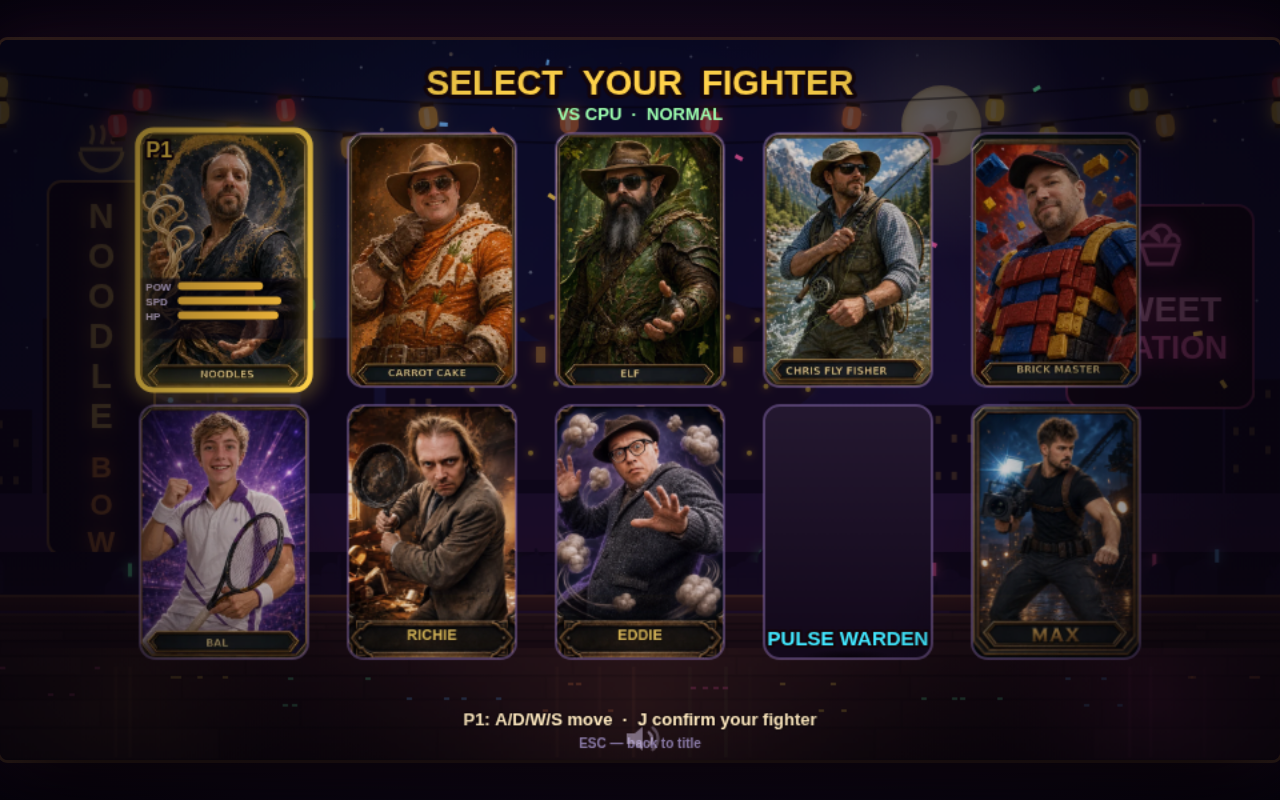
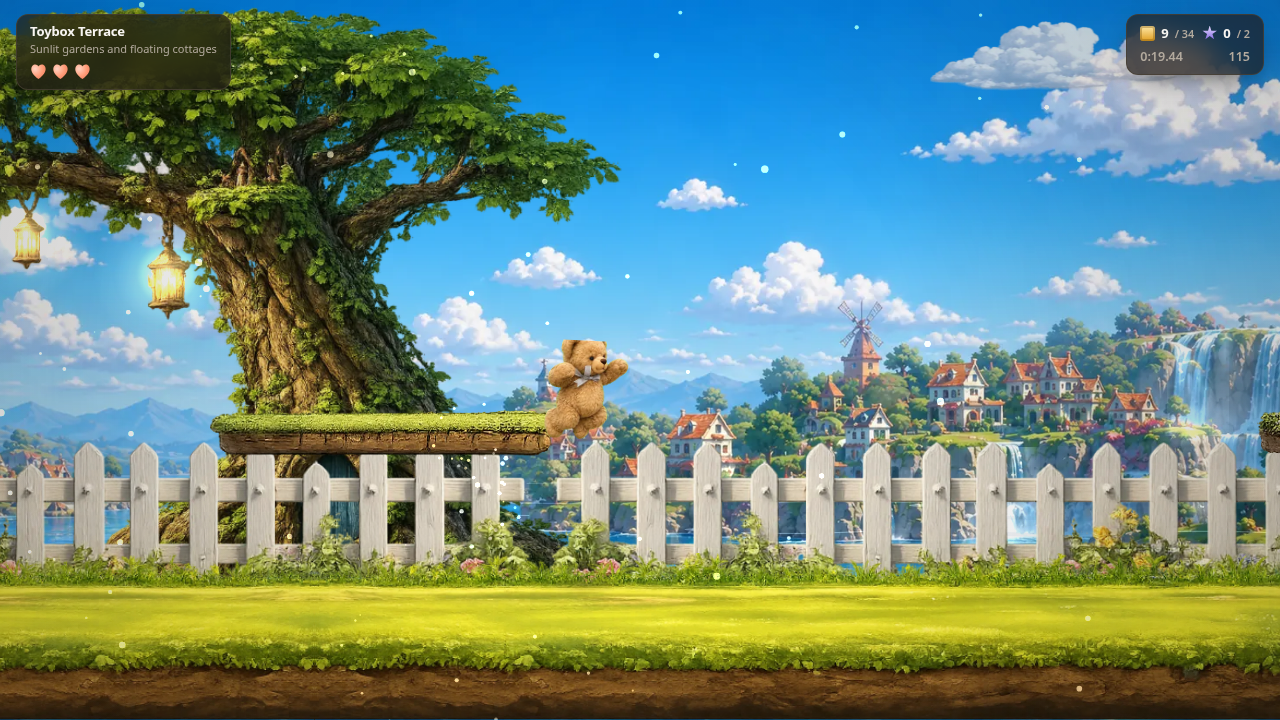
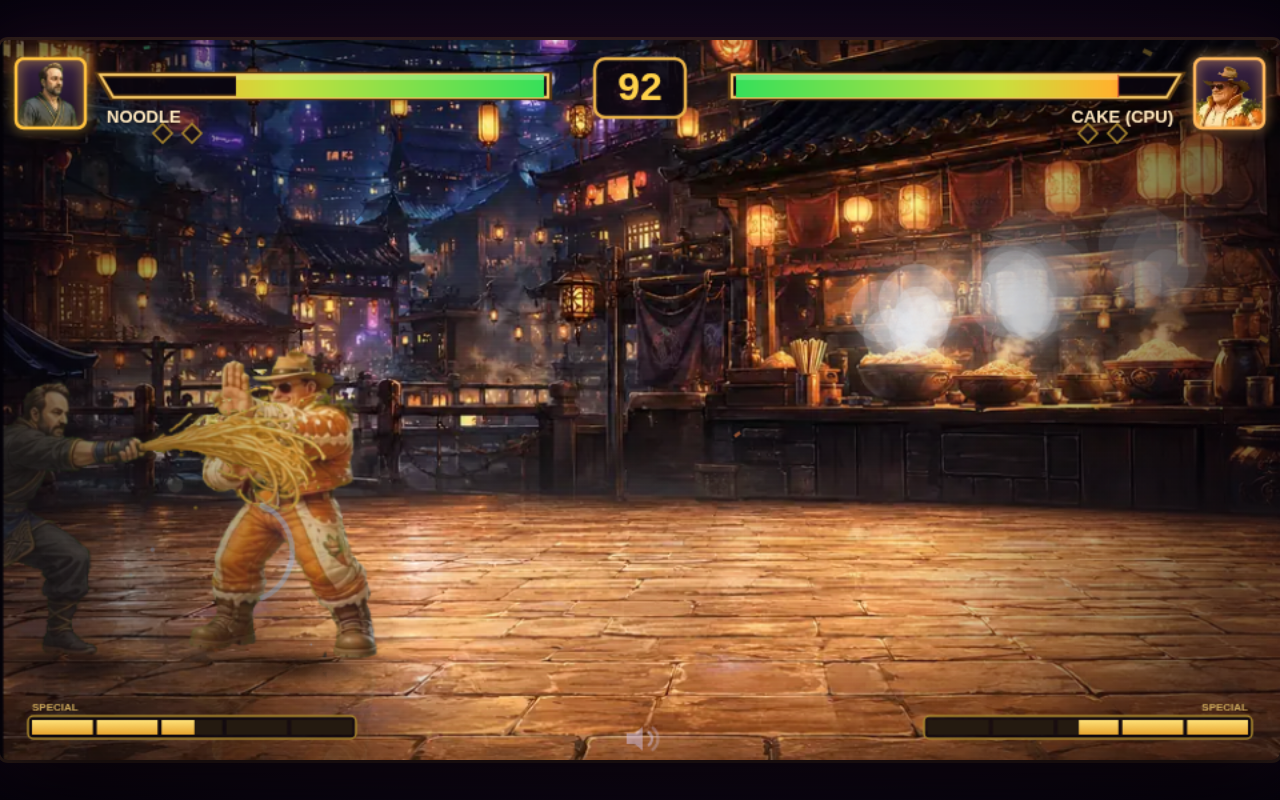
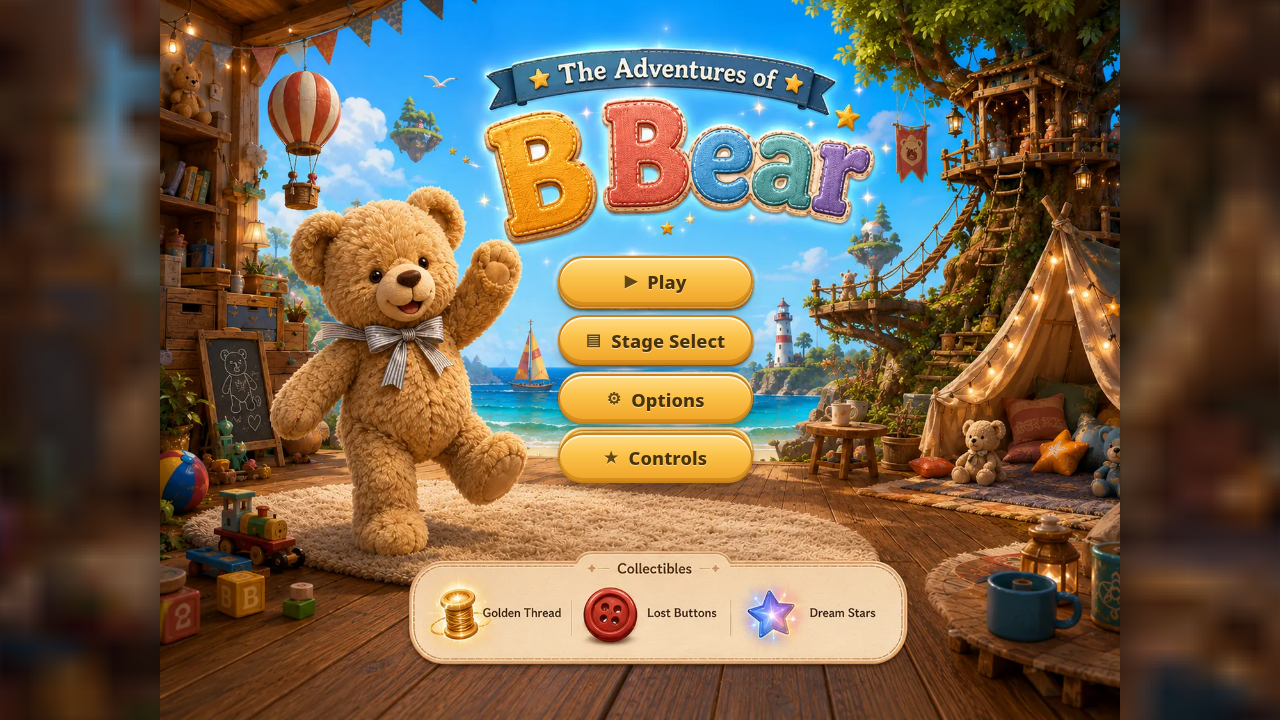
One thing worth knowing before this stage: genre is chosen to fit the story, not picked off a shelf. A storybook platformer suits a child or a gentle, nostalgic brief. A cinematic fighter suits a big cast and a competitive room. A surf simulator suits somebody whose whole personality is one specific hobby. Our recent builds span all three for exactly that reason. No two commissions play alike.
If you have no strong feeling about genre, that is genuinely useful. It lets us propose the format that gets the most out of your cast and your budget.
Stage four: the reveal
The finished game arrives as a private web-playable link that works on any phone or laptop. The 8-Bit and 16-Bit tiers also include a downloadable build.
The link is the part that changes how these things land at an event. Guests do not need an app, a console or a queue. They open a link. That is why it works as well passed around a wedding breakfast as it does opened alone on a birthday morning.
Anything more elaborate for the event itself, in terms of how the game is presented in the room, is agreed as part of the commission rather than assumed. If you have something specific in mind, raise it in the brief so it can be quoted properly.
And then it is yours. The build is yours to keep, share and replay long after the event, which is the part that separates a commission from a hire. There is no expiry and no licence to renew.
What tends to go wrong, and how the process absorbs it
Being candid about the friction points is more useful than pretending there are none. Four come up repeatedly.
Photographs that cannot be painted from. The most common delay by a distance. A face in shadow, a face at forty-five degrees behind sunglasses, a group shot where the person you want is thirty pixels wide. We can work from imperfect photographs, but a clear, front-facing, reasonably lit image produces a better likeness and a faster build. If you are gathering photographs secretly for a surprise, this is where to spend your effort.
Cast lists that grow. A brief that begins with eight guests and reaches twenty-five by the concept stage is normal and completely fine, but it changes the tier and therefore the quote. Flag it early rather than late. Adding cameos during the concept stage is straightforward; adding them once levels are built is not.
Briefs that describe a person rather than a story. "She is kind and everyone loves her" is true of most people and gives us nothing to build. "She once drove four hours to a festival and left the tickets on the kitchen table" is a level. If your brief reads like a eulogy, add three specific incidents and it will read like a game.
Decisions deferred past the concept gate. The approval stage is where changes are cheap. If you are unsure about the art direction, say so there, even if it feels awkward. Approving something you are lukewarm about to avoid a difficult conversation is the one failure mode the process cannot rescue.
None of these are unusual and none are fatal. They are simply the four things worth knowing before you write your brief, because addressing them upfront removes most of the back and forth.
Timings
The schedule is agreed per commission rather than fixed, because a single level and a full-length fighter are not the same job.
The practical advice: enquire with the date in hand, even if the date is a long way off. Knowing when the reveal has to happen shapes what is realistic at each tier, and it is much easier to design a build around a real deadline than to compress one afterwards.
Where to go next
If you are still deciding whether this is the right thing at all, the occasion-specific pieces are more useful than this one. There is wedding entertainment beyond the photo booth for couples, ideas for a fortieth that guests actually remember for milestone parties, and corporate event entertainment ideas for anyone briefing this for a company.
If you already know, the fastest route is a short message with the occasion, the date and roughly how many people you want painted in.