There is a moment at almost every wedding, usually around half past seven, when the wedding breakfast has finished, the room is being turned around for dancing, and two hundred people are standing in a corridor holding warm drinks with nothing to do.
The photo booth exists to fill that gap. It has filled it at every wedding your guests have attended this year, which is the problem.
What follows is a set of alternatives, ordered roughly from the practical to the ambitious, with an honest note on who each one actually suits.
Why the photo booth stopped working
It is worth being precise about what went wrong, because it explains what to replace it with.
A photo booth is a queue for a solo activity. Two or three people go in, everybody else waits. It produces an artefact, which is genuinely nice, but the artefact is generic: your guests in the same wigs and glasses they wore in someone else's photos in March.
The things that work in that slot share the opposite qualities. They are open rather than queued, they involve more than three people at once, and whatever they produce is specific to your wedding rather than to weddings in general.
Ideas that fill the gap well
Garden games, done properly
Giant Jenga and croquet get dismissed as filler, and badly done they are. Done properly, with enough sets that nobody waits and somewhere to sit near them, they are the most reliable way to keep a lawn full of people happy for ninety minutes. Cheap, weather-dependent, and completely dependent on your venue having the outdoor space.
Suits: summer weddings, marquees, big guest lists with lots of children.
A live illustrator or caricaturist
Someone drawing your guests produces the specificity a photo booth lacks. Guests take away something that only exists because they were there. The limitation is throughput: one artist covers perhaps thirty guests in an evening, so at a large wedding most people watch rather than participate.
Suits: smaller weddings, drinks receptions, anywhere you want a slow, conversational atmosphere.
A shared playlist built in advance
Ask every guest for one song when you send invitations. It costs nothing, it gives people a reason to talk to each other during the meal, and the dancefloor fills faster because everyone has a stake in it.
Suits: everyone. This is the highest return per pound of anything on this list.
A commissioned game starring the two of you
This is what we build, so treat what follows as informed rather than neutral.
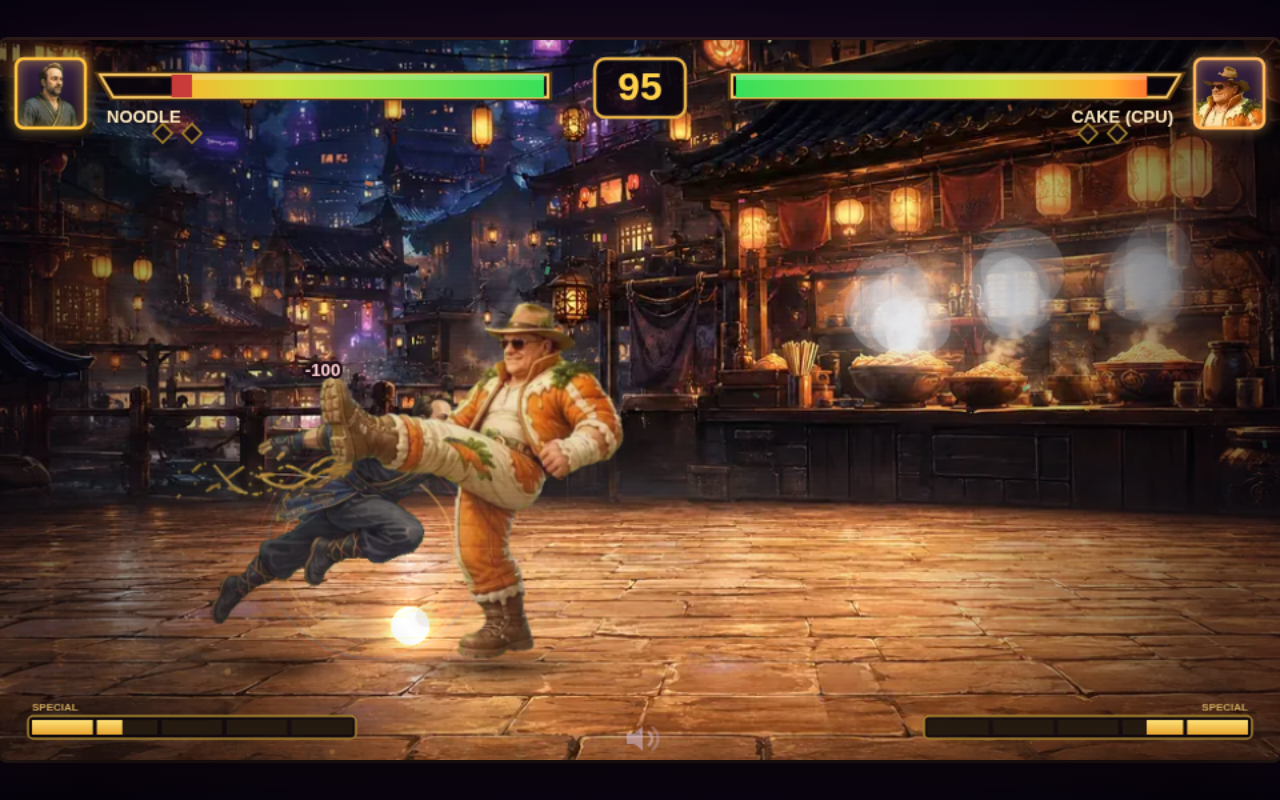
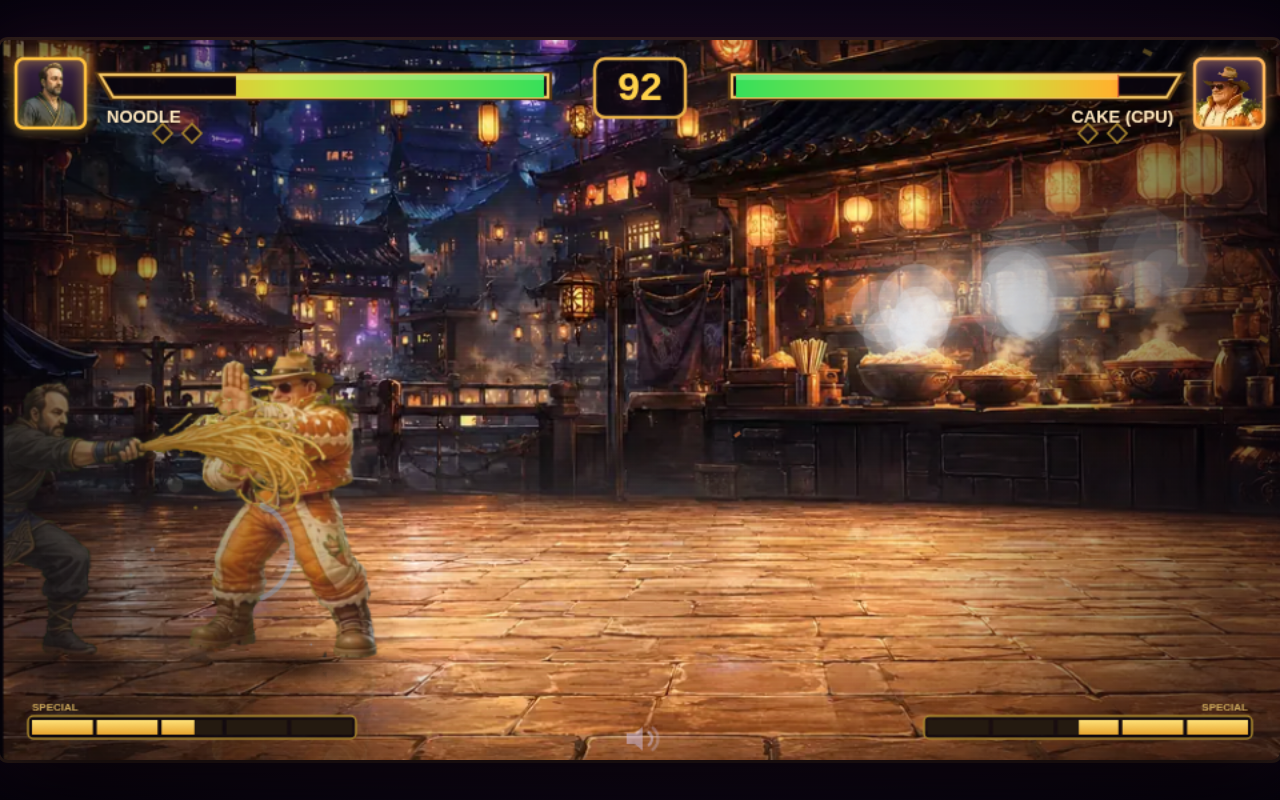
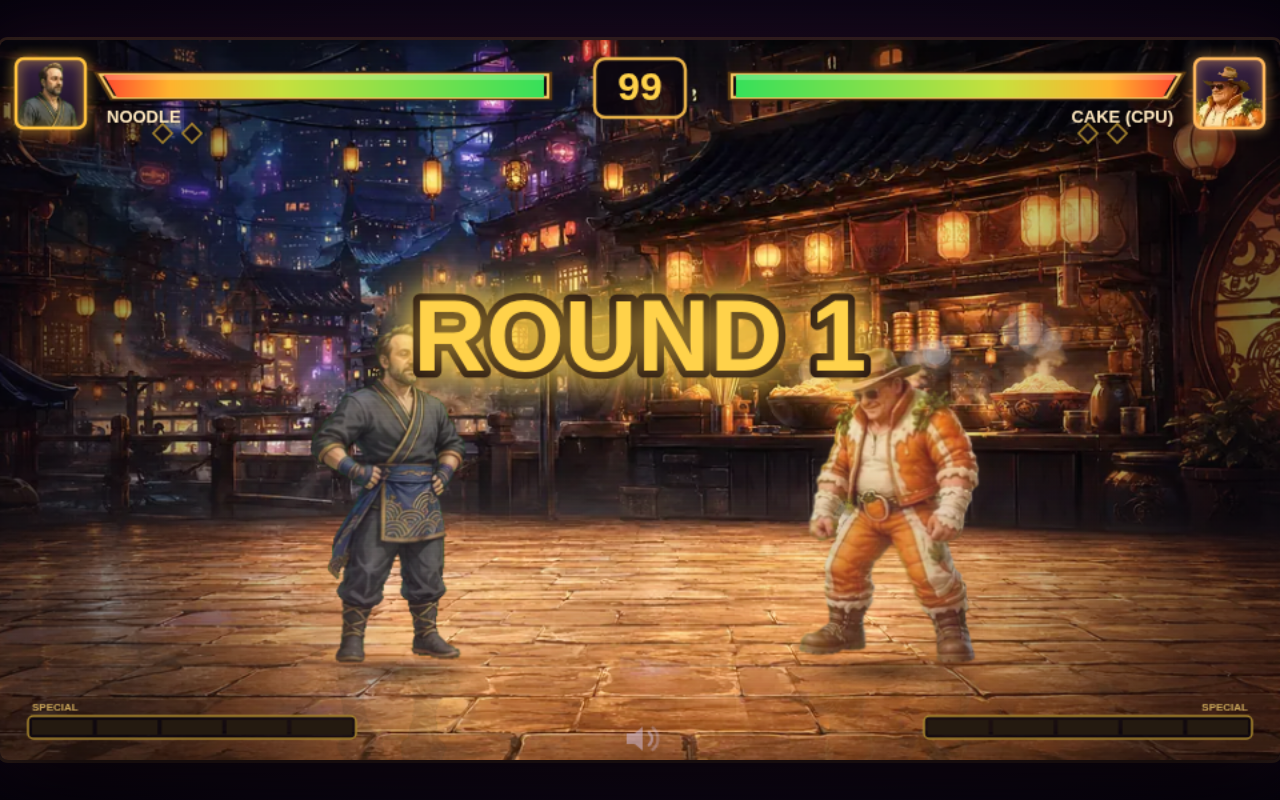
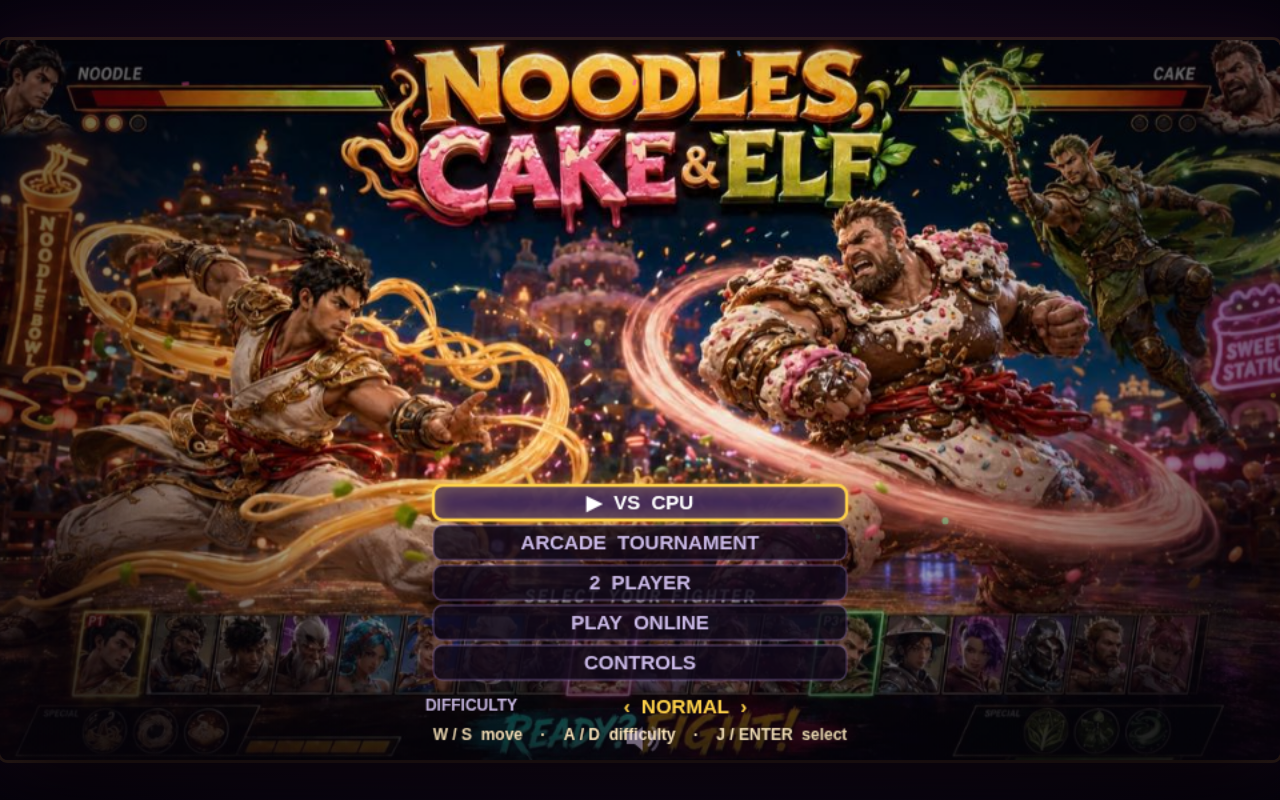
A bespoke game turns the couple into the protagonists of something playable, with guests painted in around them. The reason it fits this particular slot is mechanical rather than sentimental: it arrives as a private web link that works on any phone, so there is no queue, no hardware and no app. Two hundred people can be playing it simultaneously in a corridor. Guests who discover they have been painted into it tend to hand the phone to the person next to them, which is the behaviour you actually want during a room turnaround.
The other difference is what happens at midnight. Hired entertainment leaves. The game is yours to keep, share and replay long after the event.
Scale is set by tier: up to three guest cameos at 1-Bit from £99, up to twelve at 8-Bit from £349, and unlimited painted cameos at 16-Bit from £1,200. Our cost guide explains what moves the price, and the commissions page has the full feature breakdown.
Suits: couples with a strong shared sense of humour, weddings where a lot of guests know each other, and anyone who wants the entertainment to survive the wedding.
A ceilidh or a band that teaches something
Anything that requires instruction gets people who would never dance onto a dancefloor, because being bad at it is the point. A ceilidh caller does in ten minutes what a DJ cannot do in an hour.
Suits: mixed-age guest lists, anywhere with a reserved crowd, Scottish and Irish weddings by tradition.
A guest book that is not a guest book
Polaroids pinned to a board, a recipe card box, a bottle of something to be opened on an anniversary with notes inside. Low cost, low effort, and it solves the same "give people something to do" problem while producing something you will actually revisit.
Suits: any wedding, particularly as a companion to something larger.
Lawn cinema or a projected slideshow
Photographs of the two of you from childhood onward, projected where people are already standing. It works because it is about specific people, which is the recurring theme of everything successful on this list.
Suits: evening receptions, venues with a blank wall, couples with good photo archives.
How to choose between them
Three questions settle it faster than a spreadsheet.
Where is the gap, exactly? Time the turnaround with your venue. If it is forty minutes, you need something guests can drift in and out of. If it is two hours, you need something with a middle.
How many guests need occupying at once? This eliminates more options than anything else. Anything with a queue fails above about eighty people unless you buy several of it.
Do you want it to survive the day? Hired entertainment does not. A commissioned game, a guest book, a playlist and a slideshow all do. If the answer matters to you, weight accordingly.
What to check with the venue first
Entertainment plans collapse on venue logistics more often than on cost. Five things worth confirming before you book anything.
Power and where it is. Anything with a plug needs a socket that is not behind the top table. Venues are frequently vague about this and it is discovered at four in the afternoon on the day.
The actual turnaround time. Ask specifically how long the room takes to reset and where guests are expected to go during it. Some venues have a bar or a garden. Some have a corridor. This single answer determines what kind of entertainment you need.
Noise limits and curfews. Rural venues in particular often have a decibel limiter or a hard stop that is earlier than you assume. It rules out some options entirely.
Whether outdoor space is genuinely usable. Not whether it exists. Whether it is lit, whether it is level, and what the plan is if it rains, which in the UK is not a hypothetical.
Mobile signal and guest wifi. Relevant for anything phone-based, including a shared playlist or a game. If the venue is a converted barn with thick walls, ask for the wifi password in advance rather than discovering the problem with two hundred people standing in front of you.
None of these are exciting questions, and asking all five takes one email. They eliminate most of the ways this goes wrong.
A note on budget
The instinct is to spread the entertainment budget thinly across several small things. In practice the weddings people remember tend to have spent it on one thing that was unmistakably theirs, and filled the rest with the cheap communal options above.
If the one thing is going to be bespoke, it is worth reading how a commission actually runs before you enquire, because the process has approval gates that make it far less of a leap than it first appears. And if you are shopping for the couple rather than being the couple, we have written separately about gifts for the couple who have everything.