There is a species of person who can still tell you exactly where the machines stood in an arcade that was demolished in 2003. Which one ate coins. Which one had the sticky joystick. The exact sound the change machine made. For this person, the arcade was not entertainment; it was a formative location, and the nostalgia for it is precise, architectural and completely sincere.
Buying gifts for this person is famously difficult, because the obvious purchases are all wrong in the same way: generic where the memory is specific. A "retro gaming" mug gestures at the obsession. This is a guide to gifts that respect it.
The rule: match the era exactly
Arcade nostalgia is dated like wine. Someone who came of age in 1982 imprinted on different machines than someone whose arcade years were 1992, and the difference matters to them enormously even if the two eras blur together from outside.
So before buying anything, establish the era. The question that unlocks it: "what did you play the most?" Every arcade person has an instant answer, and the answer dates them to within about three years. Every gift on this list improves with that information and most fail without it.
Gifts that pass the specificity test
Restored or replica hardware, sized honestly
The dream gift is the actual cabinet, restored, standing in the hall. For the right person with the right hallway it is the best object they will ever own.
The honest version of this advice: confirm the space first, out loud, with whoever shares the house. A full-size cabinet is furniture with a monitor in it. The compromises are real and good: a bartop machine delivers the posture and the panel at a quarter of the footprint, and a quality replica stick plugged into whatever they already own delivers the hands, which is most of the memory.
Suits: the committed, with space. Budget from modest (stick) to significant (restored original).
Original artwork from their machines
Marquee art, cabinet side art, promotional flyers from the actual games of their era, framed properly. Arcade art was designed to be looked at across a smoky room and it holds a wall better than almost any poster.
This is the gift for the person whose partner has vetoed the cabinet. All of the era, none of the floor space.
Suits: anyone with wall space and a settled aesthetic. Verify the era ruthlessly.
The pilgrimage
Tickets and a booked date at one of the surviving proper arcades or retro gaming events. There are museums and halls where the machines are original, maintained and set to free play, and taking an arcade person to one is like taking a lapsed believer back to church.
Book a date; do not give a voucher. And go with them, because the running commentary is the actual experience.
Suits: everyone in this article. The cheapest reliably excellent option here.
A game of their own
This is what we build, so read the following as informed rather than neutral.
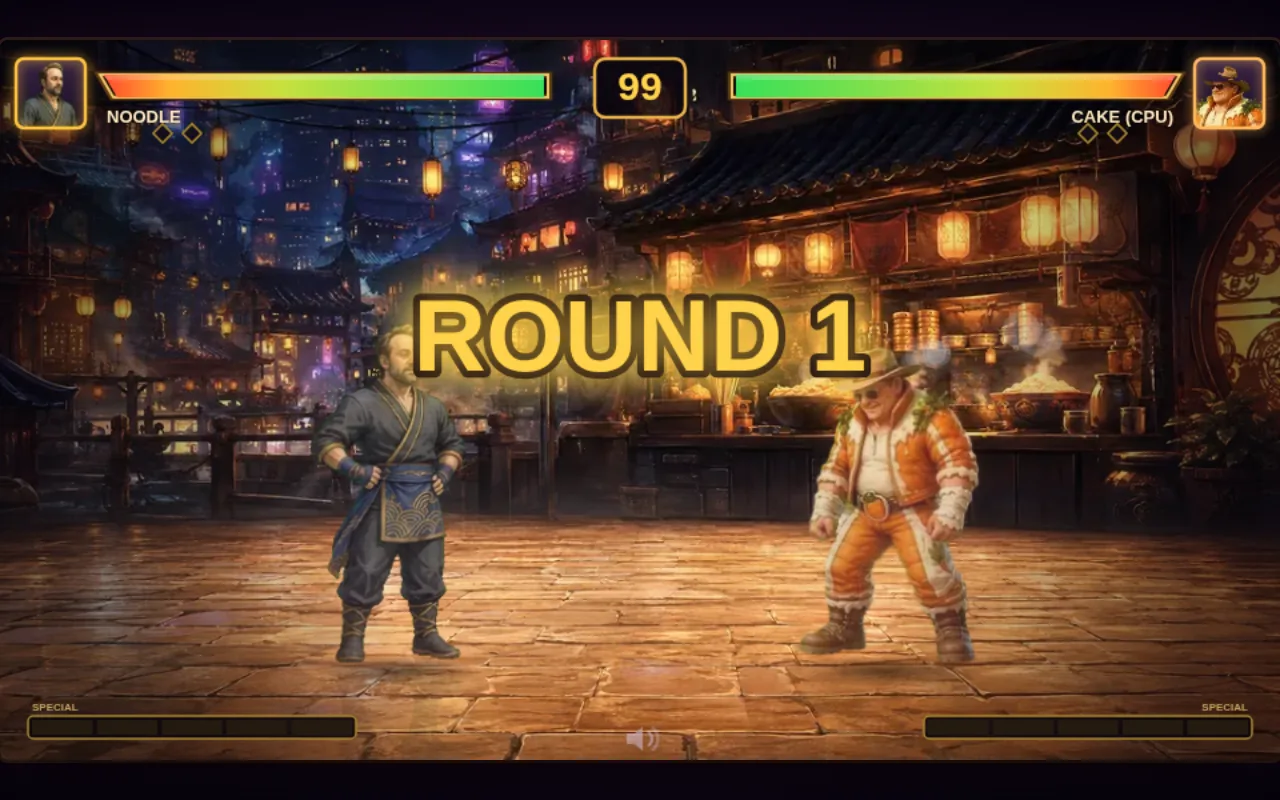
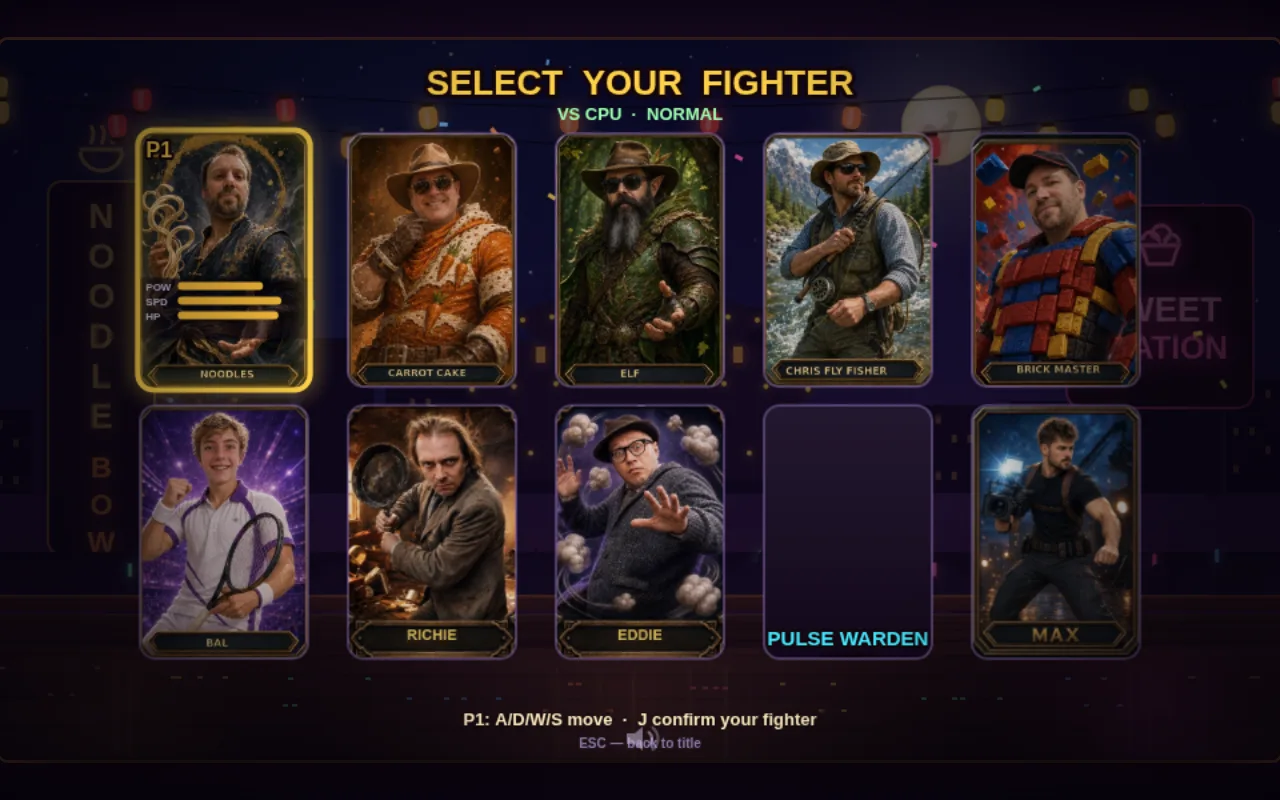
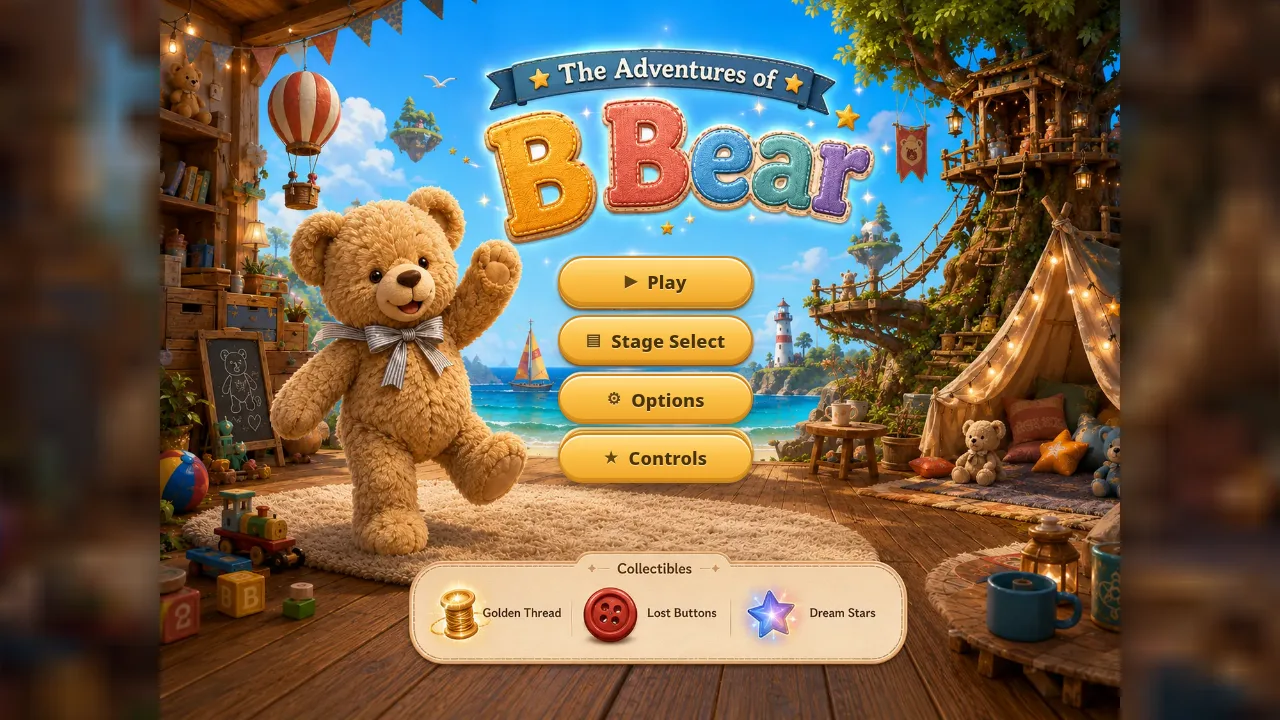
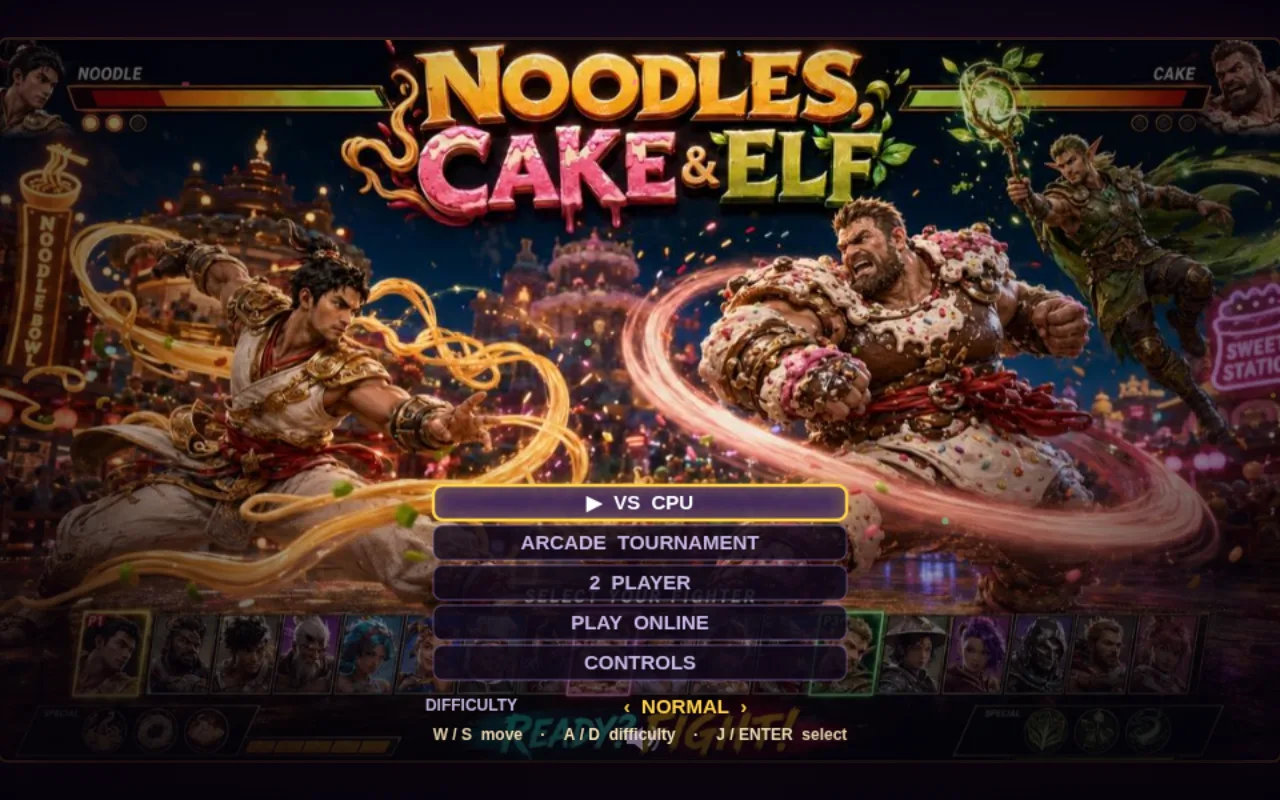
A commissioned game puts the arcade person inside the form they grew up on: hand-painted, structured like the era, with them as the hero and their people painted in around them. Attract screen with their name in the lettering. High-score table seeded with the family. At the top tier, a full arcade tournament mode, which is to say: the thing the arcade was, reconstituted around them.
Worth being precise about what this is and is not. Our builds are hand-painted and cinematic rather than pixel-perfect emulations of any one machine; the nostalgia is in the structure and the ceremony, not in counterfeiting a specific game. For most arcade people that is the right trade: they already own the originals in some form. What they do not own is a game in which they are the protagonist.
The shape of it:
- 1-Bit, from £99: one hand-painted level, around ninety seconds, up to three cameos. The stocking-filler tier, except it stars them.
- 8-Bit, from £349: three levels, a boss encounter, up to twelve painted cameos, original soundtrack, cutscenes. The birthday tier.
- 16-Bit, from £1,200: the full production, unlimited cameos, tournament mode. This is the one that turns a fiftieth into a bracket.
- Delivered as a private web link on any phone or laptop, theirs to keep permanently.
The brief is where the era goes: tell us what they played and what they claim their high score was, and the build can nod to all of it. Our cost guide covers pricing, and the process covers the stages.
Suits: the person who has everything from the era except a place in it. Group gifts especially, where the tiers split well.
The deep-cut ephemera
Not the games: the world around them. An original arcade token collection. A service manual for the machine they loved, which reads as poetry to the right person. Period magazines with the reviews of the games as they launched.
Cheap, strange, and it signals the thing all good gifts signal: that you understood the specific obsession rather than the general category.
Suits: the person who already has the hardware. This is the connoisseur tier.
What fails, and why
Generic gamer merchandise. The mug, the slogan shirt, anything with a pixel heart on it. These are gifts about the category, and the arcade person's whole identity is that their love is not generic.
The wrong era. Merchandise from a machine five years after their time is worse than nothing; it tells them you got the shape of the memory and missed the content. This failure is completely avoidable with one question.
The cheap emulation box. The bargain consoles preloaded with ten thousand titles of dubious provenance. The arcade person can feel input lag the way a chef can taste a stock cube, and the gift reads accordingly.
How to establish the era without ruining the surprise
Everything above depends on knowing the exact years, and asking directly is the fastest way to signal that a retro gift is coming. Three reliable ways round it.
Ask about the place, not the games. "Where did you actually go? Was it the seafront or the bowling alley?" is a nostalgia question rather than a shopping question, and the answer dates them just as precisely because the venues were era-specific.
Get someone else to ask. A sibling, an old friend from the same town, a parent. They can ask the direct question without it meaning anything, and they usually have half the answer already.
Look for the artefacts. People from this era rarely throw things away. The answer is frequently in a box in a loft, on a shelf behind the television, or in the fact that they still have a specific stick in a cupboard. Ten minutes of quiet reconnaissance beats any amount of guessing.
One warning worth stating plainly: do not rely on the year they were born. Arcade imprinting happens somewhere around eleven to fifteen, so the birth year gets you to within a decade and a decade is exactly the resolution at which these gifts fail. The gap between the two ends of a decade is the whole difference between a gift that lands and one that is politely shelved, which is the same reason the 90s home-console generation needs an entirely different shopping list to this one.
The group-gift arithmetic
Arcade people tend to cluster, and the best versions of these gifts are funded by the cluster: the friend group, the family, the old crew from the actual arcade. A restored cabinet or a 16-Bit fighter with the whole group painted in splits across eight people into a plausible birthday spend each, and lands as the gift of a decade.
For the fiftieth birthdays where this era's nostalgia peaks, the party planning notes cover the reveal. For the thirty-somethings whose arcade was a bedroom console, the gamer gift guide is the sibling piece to this one.