The traditional anniversary list is a Victorian invention that runs out of imagination almost immediately. Paper, cotton, leather, fruit. By the time you reach silver at twenty-five, you are buying a couple in their fifties a photo frame they will put in a cupboard, and by ruby at forty you are buying jewellery for people who stopped wanting jewellery some time in the last decade.
The difficulty is not that the couple are hard to please. It is that a long marriage accumulates objects, and after twenty-five years the house is full. What is not full is the record of it.
Why the list stops working at twenty-five
Worth naming, because it explains what to replace it with.
The traditional gifts were designed for a marriage that was still assembling a household. Paper and cotton and linen made sense when a couple in their twenties genuinely needed linen. At twenty-five years the household is complete, the children have households of their own, and the useful gift has nowhere to go.
What a couple at that stage do not have is any organised record of the twenty-five years. The photographs are on four different phones, in three shoeboxes and on a hard drive nobody can find the cable for. The stories exist only in whoever remembers them.
That gap is the opportunity. The gifts that land at a big anniversary almost all involve assembling something that already exists rather than buying something new.
What works
The assembled archive
Photographs from the wedding and every year since, digitised and put in order. Letters from the people who were there. A recording of the parents and siblings telling the story of how they met from four incompatible points of view.
Nearly free, and it is consistently the gift that gets described afterwards as the best thing anyone has ever given them. The work is entirely in the chasing, which is why so few people do it.
Suits: children and siblings, anyone with access to the family albums.
Recreating the day, at the right scale
Not another wedding. The same restaurant, the same walk, the same pub, the same song played by someone who can play it. A small, exact repetition of something specific beats a large, generic celebration.
The failure mode is scale: a surprise party for eighty is a party for you, not for them. Ask yourself whether the couple would choose it.
Suits: couples who are still sentimental about the original day. Poor fit for anyone who found their own wedding stressful.
Something commissioned about the marriage
An artist, a writer, a composer, a studio. What unites them is that the result could not have existed before this particular couple did.
This is our category, so read the following as informed rather than impartial.
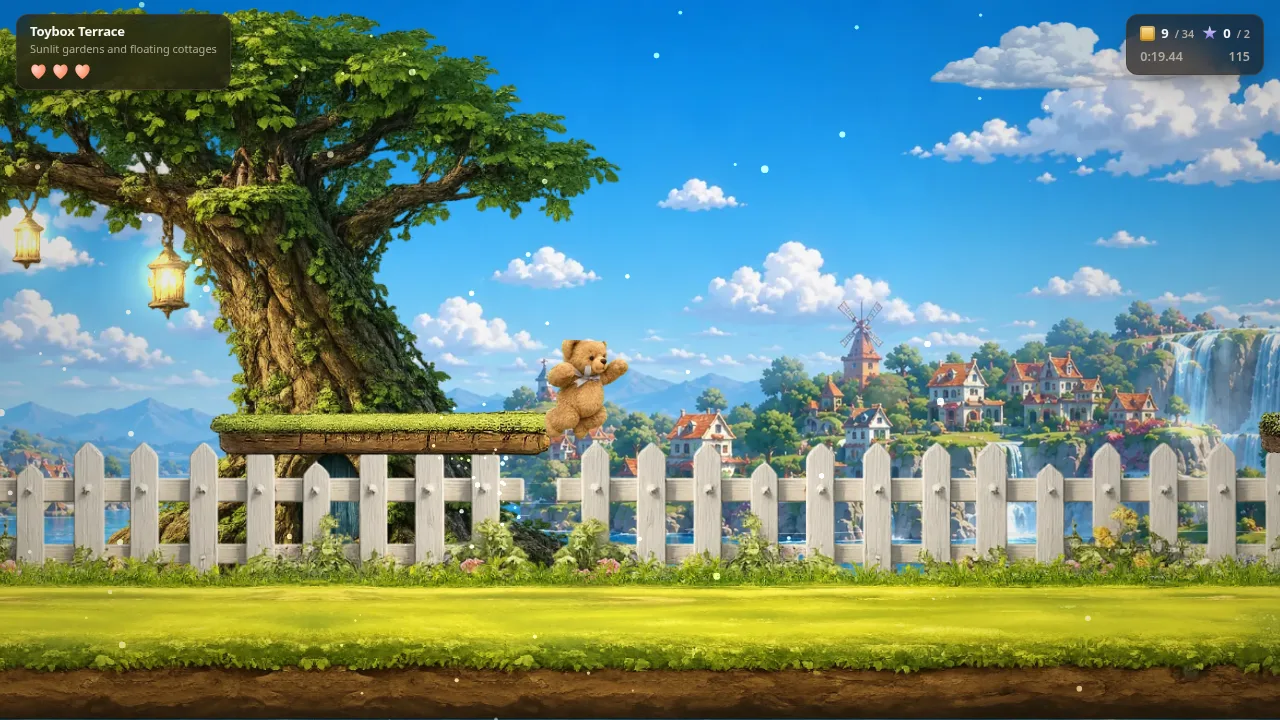
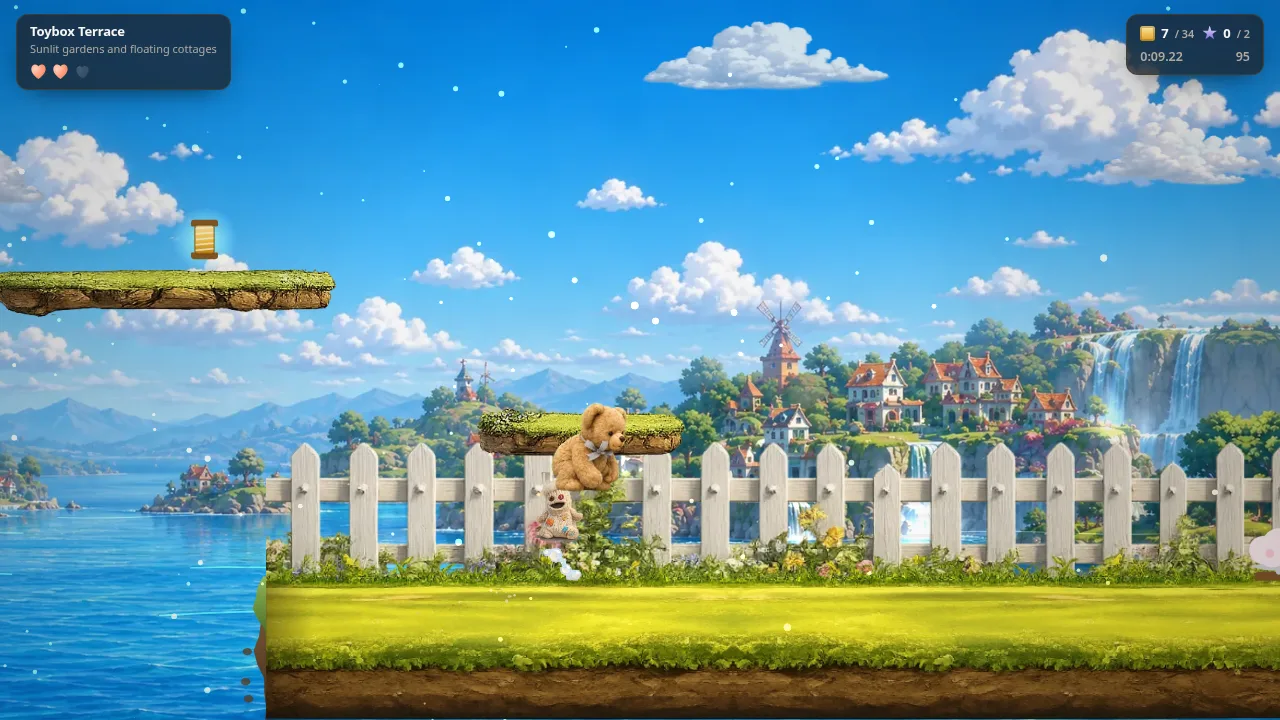
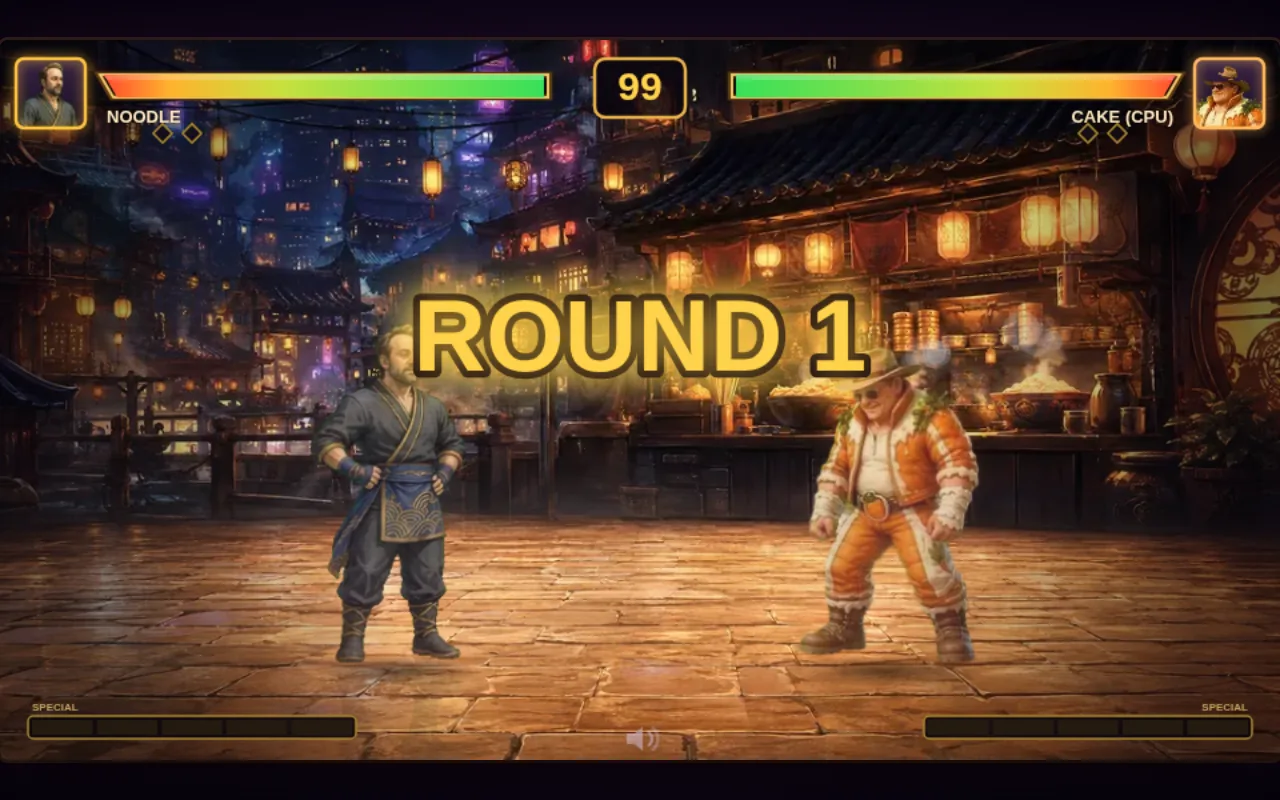
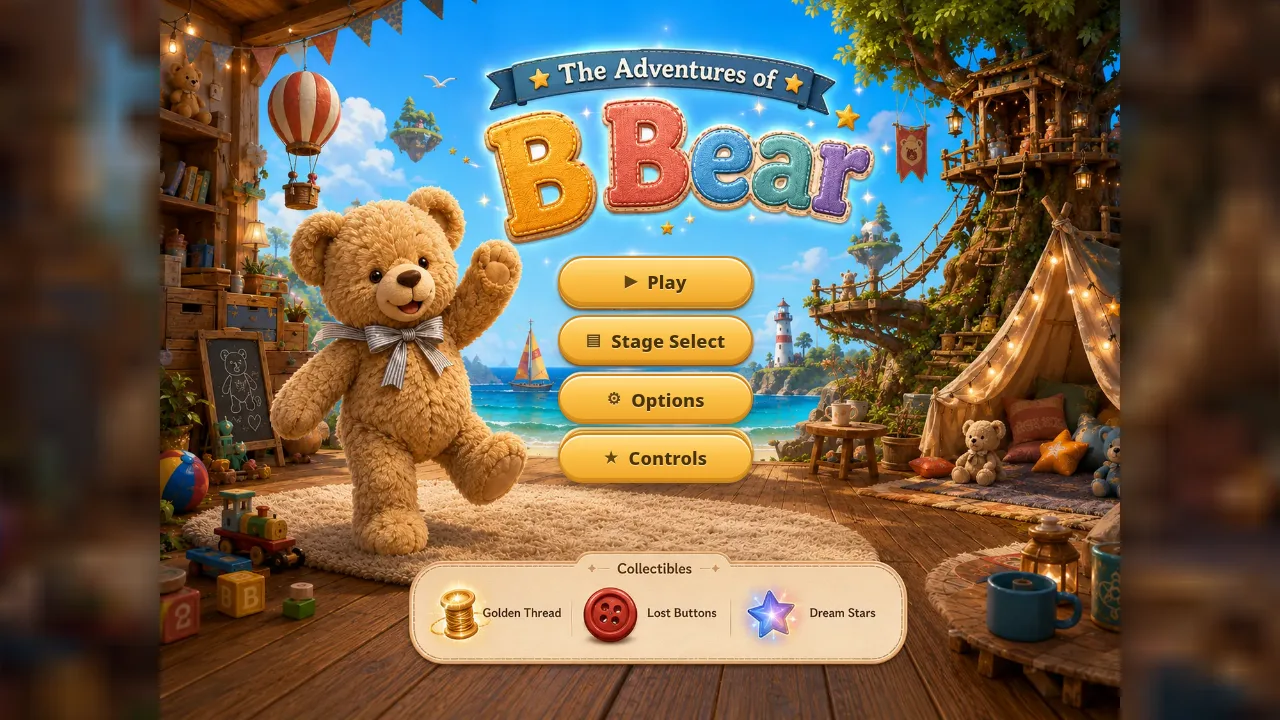
A commissioned game casts both of them as the protagonists of something playable, painted by hand from photographs, with the family painted in around them. For a long anniversary specifically, it does something the archive cannot: it turns the history into something the grandchildren will actually engage with.
The details that make it work are the small ones. The car that kept breaking down. The holiday where it rained for nine days. The phrase one of them has said at every family meal since 1998. Those go in the brief and come out as levels, jokes and boss fights.
- 1-Bit, from £99. One themed level of around ninety seconds, up to three cameos. Works as a gift from one person.
- 8-Bit, from £349. Three cinematic levels, a boss encounter, up to twelve painted cameos, intro and outro cutscenes. This is the family-clubbing-together tier, and twelve cameos covers most immediate families.
- 16-Bit, from £1,200. Full-length build, unlimited cameos, an arcade tournament mode. For the anniversaries where the whole extended family is in the room.
It arrives as a private web link that works on any phone, so it can be opened at the table in front of everyone, and it is theirs to keep, share and replay long after the day. Our cost guide sets out what moves the price, and the commissioning process explains what we need from you.
Suits: families with a lot of shared history and a sense of humour about it. Groups splitting a budget. Couples who have genuinely told everyone not to buy them anything.
The thing they have been putting off
A long marriage usually contains one deferred plan. The trip they never took, the room they never finished, the course one of them mentioned twenty years ago. Paying for it, or paying for part of it, is unglamorous and frequently the most useful thing anyone does.
The trick is knowing which one. If you have to guess, you have the wrong gift.
Suits: children with the budget and the knowledge. Fails badly if you are guessing.
A contribution rather than an object
Money toward something specific, given with a note explaining what it is for. Unromantic, and at this stage of life often the most welcome thing on the list.
Suits: wider family and friends, anyone who has been told firmly not to make a fuss.
Choosing between them
Who is giving? One person or the whole family changes the ceiling more than anything else. Commissioned work and significant contributions are group territory. Individually, the archive punches far above its cost.
Is there a gathering? If the family is in one room, prioritise something that can be opened in front of everyone: a film, a book of letters, a link handed over on a phone. If there is no gathering, a private object makes more sense.
Do the couple actually want a fuss? Some do. Many at twenty-five and forty years genuinely do not, and the correct gift for them is quiet and specific rather than large and public.
Running a family gift without it collapsing
Most of the best options above are group gifts, and group gifts fail for organisational reasons far more often than financial ones. Four rules, learned from watching them go wrong.
One organiser, named out loud. Not a committee and not a group chat. Somebody has to hold the deadline, and everyone else has to know who that is so they stop waiting for a consensus that will never form.
Set the contribution, do not ask for it. "Twenty-five pounds each and I will cover the difference" gets paid. "What is everyone thinking of putting in?" produces a fortnight of politeness and nothing else.
Give the reluctant relatives a job instead of a bill. There is always someone who cannot contribute much and feels awkward about it. Ask them for the photographs, the story, the recording of the grandmother. The material is worth more than the money and they know it.
Set the deadline four weeks before the real one. Anything that involves collecting things from family members takes longer than anyone plans, because the constraint is not effort but other people's inboxes.
The same coordination problem shows up whenever a family buys collectively, which is why it is worth doing once properly and reusing the approach at the next milestone.
The mistake to avoid
Buying the symbol instead of the thing. Silver at twenty-five and ruby at forty are prompts, not instructions, and treating them as instructions is how a couple end up with a fourth silver photo frame.
If you want to honour the tradition, use the material as a detail rather than the whole gift. The inscription, the box, the ribbon. Then spend the actual effort on something that is about them.
If the anniversary is a wedding you also attended, the reasoning carries across to gifts for a couple who have everything. And the same instinct, handing over the record rather than adding to the pile, is exactly what makes an eighteenth birthday gift land at the other end of a family's timeline.