Eighteen is the hardest birthday to buy for. Too old for toys, too young for the things that make forty easy, and in possession of extremely specific taste that changes fortnightly. Which is how cash in a card became the national default, and why every eighteenth ends with a drawer of cards and a bank transfer that was spent on nothing anyone remembers.
The money is fine. Eighteen-year-olds genuinely want it, and pretending otherwise produces gifts that get returned. The mistake is thinking the money is the whole job. A milestone needs something that marks it, and cash marks nothing.
The answer most families land on, once they think about it, is money plus one thing that does the remembering. This is a guide to the second half.
Why eighteen is different from every other birthday
It is the only birthday that is explicitly about the past as well as the future. Forty looks forward with a wince. Eighteen closes a chapter that the parents, not the birthday person, have been keeping the records of.
That asymmetry is the whole opportunity. The eighteen-year-old owns almost nothing of their own childhood: the photographs are on their parents' phones, the stories live in other people's memories, the drawings and school reports are in a loft. Every genuinely affecting eighteenth-birthday gift is some form of handing the record over.
Gifts that hand the record over
The letters
Written by parents, grandparents, godparents, and anyone else who has known them all their life, sealed and given as a set. Some families start this at birth and hand over eighteen years of them; starting now still produces something no shop can sell.
Costs nothing. Requires the one thing money cannot buy, which is people willing to write honestly.
Suits: every family. If you do one thing on this list, do this.
The organised archive
The photographs, gathered from every phone, drive and shoebox, put in chronological order and made into something: a printed book, a film, a drive that is actually organised. Include the terrible ones. At eighteen, the terrible ones are the good ones.
Suits: whichever family member has the patience. Budget six weeks for the gathering, because the gathering is the gift.
Something commissioned about the first eighteen years
This is what we build, so read the following as informed rather than neutral.
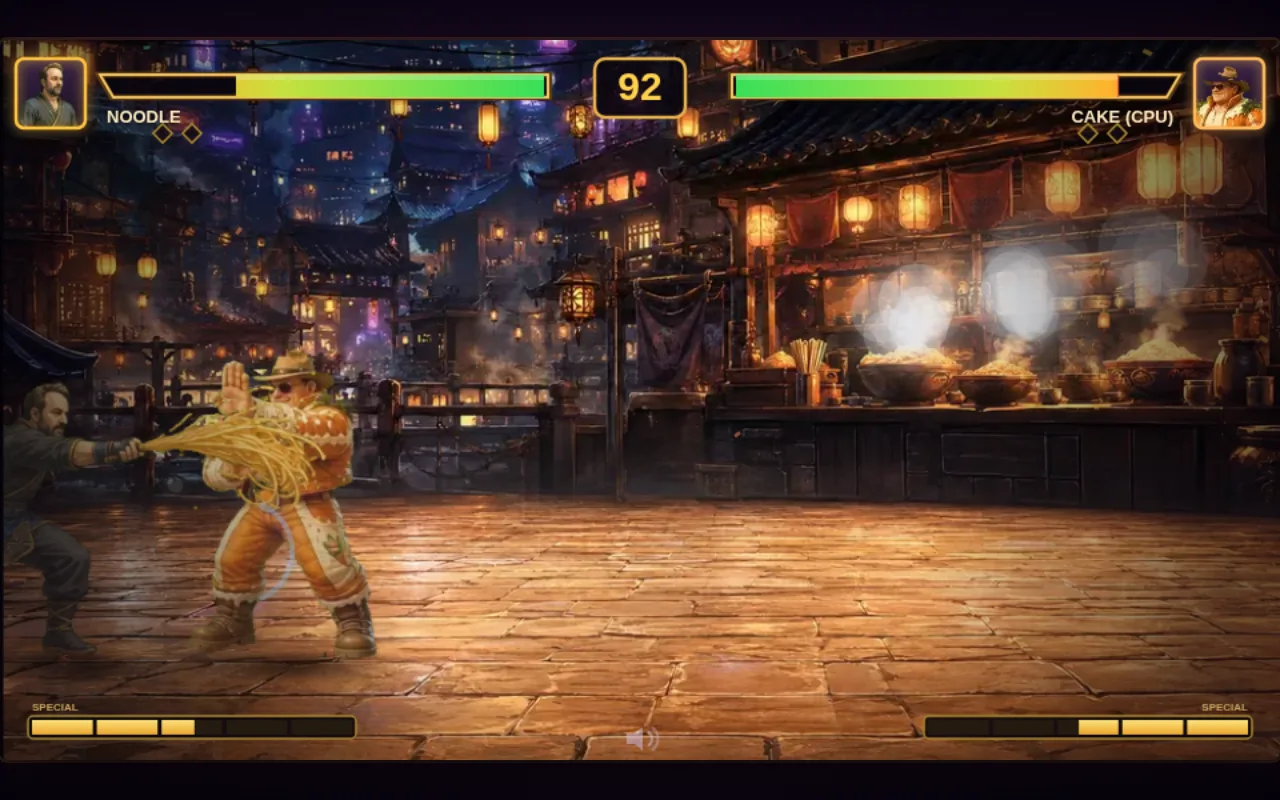
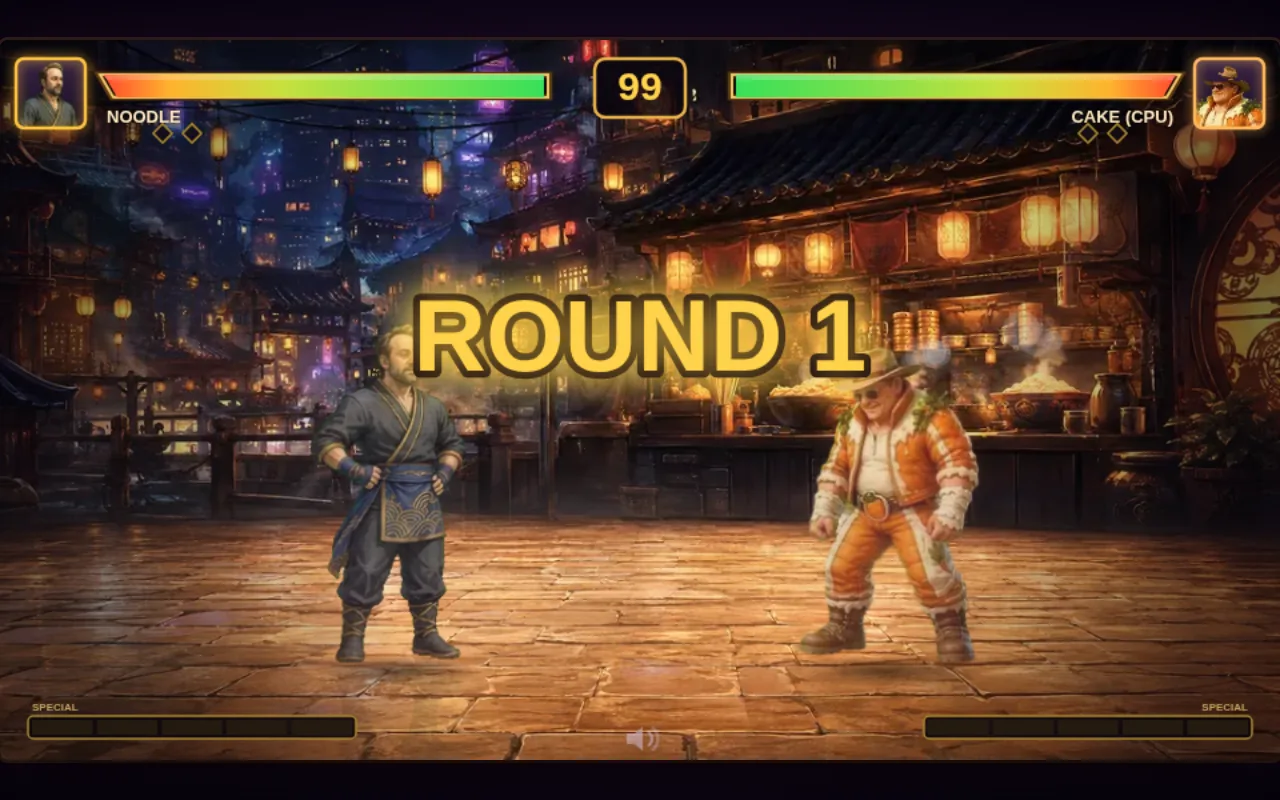
A commissioned game casts the birthday person as the hero of their own childhood: hand-painted from photographs, with the family, the friends, the pets and the running jokes painted in around them. Eighteen years of material translates almost embarrassingly well into game structure. The family holidays are levels. The dog is a companion character. The driving test is a boss fight.
For an eighteenth specifically, it threads a needle that most gifts at this age cannot: it is sentimental material delivered in a format the recipient actually uses. A photo book is the parents' format. A game is theirs.
The practical shape:
- 1-Bit, from £99. One themed level, up to three cameos, around ninety seconds of play. A single chapter of the childhood, done properly.
- 8-Bit, from £349. Three cinematic levels, a boss encounter, up to twelve painted cameos, an original soundtrack, intro and outro cutscenes. Twelve cameos covers the family and the close friends, which is what makes this the tier most eighteenths land on.
- 16-Bit, from £1,200. The full production, unlimited cameos, arcade tournament mode. For families who want the whole cast in.
It arrives as a private web link that works on any phone, so it can be opened at the party in front of everyone, passed around the table, and kept forever. It is theirs, permanently, which matters at the exact age when a person starts wanting to own their own history.
Our cost guide explains what moves the price, and the process covers what we need, which is one clear photo per person and a brief. Old photographs work well for childhood levels.
Suits: families with a strong story-telling culture. Parents who have been quietly keeping the archive for eighteen years and want it to land. Groups of relatives pooling a budget.
The first proper version of something
The first good watch, the first good knife if they cook, the first tool of whatever they are becoming. Not the best money can buy; the first one that is not a child's version.
The signal matters more than the object: it says we have noticed who you are turning into.
Suits: anyone who knows what the eighteen-year-old is actually into, rather than what they were into two years ago.
The experience with a date on it
A trip, a gig, a track day, a flight lesson. Booked, not vouchered. An open voucher at eighteen becomes a guilty reminder; a fixed date becomes a memory.
Suits: relatives at a distance who cannot gather the archive but can fund a moment.
From grandparents specifically
Grandparents often have the best material and the least idea what to do with it. Two suggestions.
First: write down the family stories only you know, especially the ones about the parents at eighteen. This is the single most valuable document a grandparent can produce, and it costs an afternoon.
Second, if contributing to something larger: fund the record rather than another transfer. A grandparent contribution is frequently what moves a family gift from the archive tier to the commissioned tier.
What to do about the money itself
Since the money is going in the card anyway, it is worth spending thirty seconds on how.
Give it with a stated purpose, or with none at all. The version that causes friction is money given with an implied purpose that is never said out loud, which turns into disappointment six months later when it went on something else. Either say "this is toward the car" and mean it, or say "this is yours, no notes" and mean that.
A transfer plus a card with nothing in it is the weakest version. Not because of the amount, but because it is indistinguishable from every other transfer they will receive that week. If the money is the gift, the card is the only place the milestone can live, so write something in it.
Consider giving it in two parts. Half now, half in a year. Unpopular in the moment and quietly one of the more useful things a parent can do, because eighteen-year-olds have a documented tendency to spend the first lump and then hit something they actually needed it for.
None of this replaces the second gift. It just stops the money being an anticlimax as well as a default.
The mistake to avoid
Buying for the age you remember, not the person in front of you. The gap between sixteen and eighteen is enormous, and gifts calibrated two years late land as gentle insults.
If in doubt, the record never misses, because it is not calibrated to who they are now at all. It is calibrated to everything so far, and that is the one subject on which the family is the world expert.
For the party itself rather than the gift, most of our fortieth-birthday planning notes apply at eighteen with a louder playlist. And if the eighteen-year-old in question grew up on games, our gift guide for exactly that person is twelve years early but directionally right.