Somewhere along the way, proposing became a performance. The stadium screen, the flash mob, the restaurant where the waiter is in on it and forty strangers applaud a person who has been given no realistic opportunity to say anything other than yes.
For a certain kind of person that is wonderful. For most people it is a nightmare with a ring in it. If the person you are proposing to leaves the room when someone brings out a birthday cake, an audience is not a feature.
What follows are ideas built around one person rather than a crowd.
What actually makes a proposal land
Three things, none of which is scale.
Specificity. The proposals people describe fondly decades later are almost always built on a detail nobody else would recognise. The bench, the terrible first date, the song from the car with the broken stereo. Generic romance is forgettable precisely because it could have been aimed at anyone.
Control. Being asked in private means being able to react honestly. Being asked in front of an audience means performing a reaction. If you know the person well, you know which one they would want.
A beginning and an end. The awkwardness of a proposal is usually the ambush: an ordinary Tuesday that suddenly becomes The Moment with no warning. Anything that gives the moment a shape, so they can feel it coming for thirty seconds rather than none, tends to land better.
Ideas that work without an audience
The place, revisited properly
Where you met, the first flat, the walk you did badly in the wrong shoes. Not a grand location, the exact one. Go back, with the reason unstated until you are there.
The whole strength is that the location does the work. You do not need a speech if the bench is the speech.
Suits: almost everyone. The cheapest genuinely good idea available.
The long-form letter
Written, not spoken. Something they can read at their own pace, alone, and keep. It removes the pressure of reacting live and gives them something permanent, which is more than can be said for most proposals.
The failure mode is length. Two pages of specifics beats eight pages of adjectives.
Suits: private people, anyone who processes things by reading rather than talking.
Something made about the two of you
Commissioned work: an illustrator, a writer, a composer, a studio. The object is the proposal, and the moment arrives as the natural end of experiencing it.
This is what we build, so treat the following as informed rather than neutral.
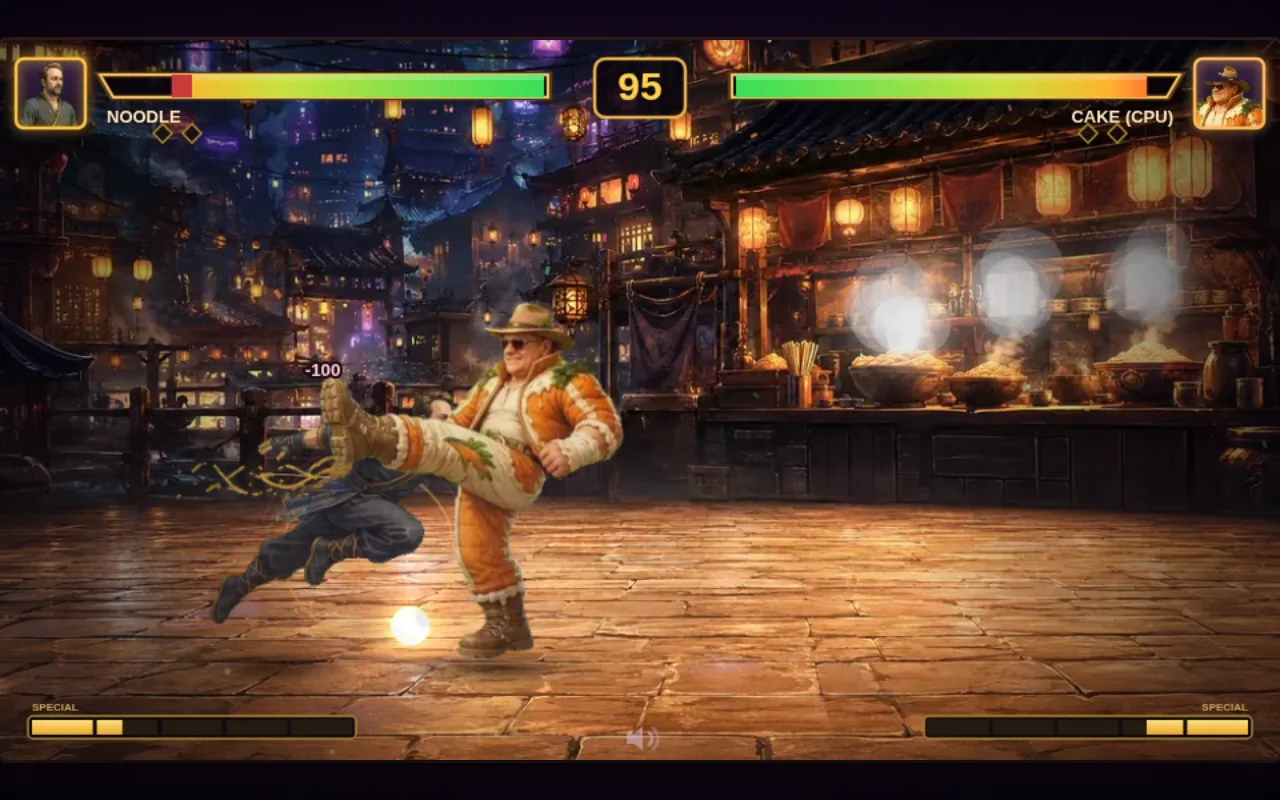
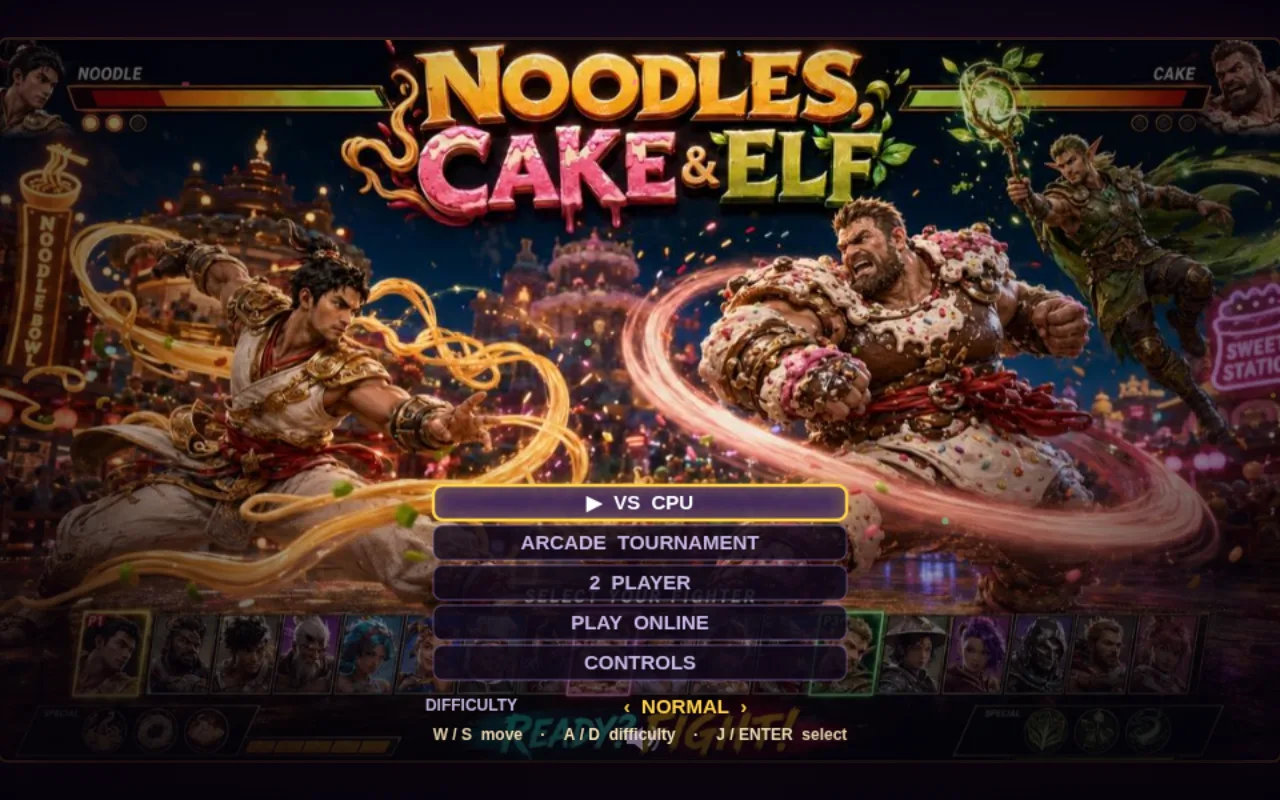
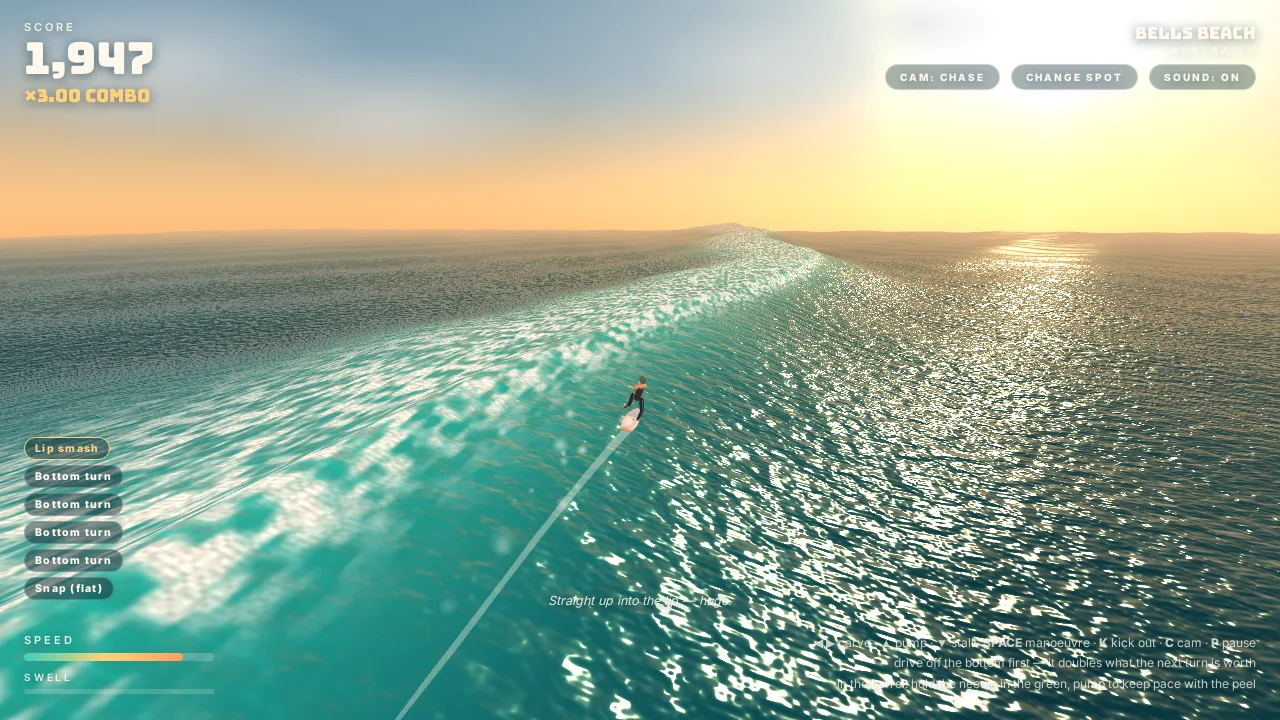
A commissioned game turns the two of you into the protagonists of something playable, hand-painted from photographs, built from the details in your brief. For a proposal specifically, the structure does something no other format quite manages: the question can be the ending. They play through a version of your history together, and the last screen asks.
That solves the ambush problem completely. There is no sudden pivot from ordinary evening to enormous question. There is five minutes of increasingly recognisable jokes, a rising suspicion, and then the thing itself.
The practicalities:
- It arrives as a private web link that works on any phone or laptop, so it can be handed over anywhere, including the bench.
- The 1-Bit tier from £99 is one themed level of around ninety seconds, which is the right length for this. Longer is not automatically better when the ending is the point.
- The 8-Bit tier from £349 covers three levels with intro and outro cutscenes, if you want the history properly told before the question.
- It is yours to keep, share and replay, which means it survives as the record of the proposal rather than only the mechanism for it.
What we need is modest: one clear photo of each person, and a short written brief. The process is set out here, including the approval stage where you see painted key art before anything is built, so there are no surprises in the thing that is meant to contain the surprise.
Suits: couples with a strong shared sense of humour. Anyone who wants the proposal to leave something behind. People proposing to someone who would rather not be looked at.
The gathering afterwards, not during
Propose privately. Then have the people who matter waiting somewhere an hour later. All of the celebration, none of the audience at the moment of decision.
This is the compromise that suits the largest number of couples and almost nobody thinks of.
Suits: anyone with a family who will be offended not to be involved, and a partner who would hate being watched.
The slow reveal
A sequence of small things over a day or a weekend, each one a little more pointed than the last. A note in a coat pocket, a detour, a booking they did not make.
Requires organisation and a partner who enjoys anticipation. Ruinous for anyone who finds not knowing what is happening stressful.
Suits: planners proposing to planners.
The photograph problem
Almost every proposal now runs into the same conflict, and it is worth deciding in advance rather than in the moment. A private proposal produces no photographs, and the couple will later want at least one.
The bad solution is a hidden photographer, which introduces exactly the audience you were avoiding, usually crouched behind something. The good solutions are simpler. Take a phone photo yourselves immediately afterwards, badly, and accept that the badness is the charm. Or take a proper one an hour later, somewhere nearby, with the ring on and the shock still visible. Nobody looking at that photograph in twenty years will be able to tell it was not taken at the moment itself.
The third option, and the reason people commission things for this, is that the object survives independently. A letter, a film or a playable build is a record that does not depend on anyone having been holding a camera.
Two things worth deciding early
Who else knows. Every additional person told is a risk, and the person most likely to leak it is the one who is most excited. If it must stay quiet, tell one accomplice and no more.
Whether they want a ring first. An increasing number of couples choose the ring together afterwards. If that is likely, do not spend the budget on the ring; spend it on the moment and go shopping together in the week that follows.
The mistake to avoid
Designing the proposal you would enjoy. It is the one moment in a relationship that is genuinely not about you, and the most common failure is a person who loves an audience proposing to a person who does not.
If you already know the wedding is coming, the same logic applies to the day itself, and we have written about entertainment that is about the couple rather than about weddings in general. If someone else is reading this because they are buying for the newly engaged, gifts for the couple who have everything covers that, and whoever ends up organising the weekend before the wedding will want the stag and hen notes, which apply the same rule about whose occasion it actually is.