The framing of this question is usually the problem. "They only play games" is said the way somebody might say "they only watch television", as a thing to be worked around rather than an interest to buy for.
Treated as an actual interest, with depth and specifics like any other, the gift list gets substantially better.
Find out what they actually play
Gaming is not a single hobby. Somebody who plays a competitive shooter with the same six people every evening has almost nothing in common with somebody who plays long single-player stories, and they want completely different things.
The way to find out is not to ask. Ask a teenager what they play and you get a name you will not retain and a wary expression.
Ask to watch for ten minutes. Sit down, say nothing, let them explain if they want to. You will learn what the game is, whether they play with friends or alone, whether they use a headset, how they sit, what their setup is missing.
The information is useful. The act of asking is worth considerably more, and quite a few teenagers have never been asked.
What is actually worth buying
Audio. The single biggest upgrade available and the most commonly neglected. Most teenagers are using whatever came free. If they play with friends they are on a headset for hours a day, and a good one is a genuinely different experience.
The chair. If they sit for several hours a day in a dining chair or on a bed, this matters more than any peripheral. A good office chair beats most things marketed as gaming chairs at the same price.
Whatever is missing from the setup. A monitor arm, a second screen, a decent mouse mat, a light behind the screen so they are not staring at a bright rectangle in a dark room. Watching for ten minutes tells you which one.
A gift card for the platform they use. Unromantic and consistently correct, because releases move faster than gift buying and they know what they want.
Merchandise from the specific game, if you are certain which one. This is high risk and high reward: exactly right is excellent, adjacent is worse than nothing.
What is not worth buying
A game you chose. Unless briefed precisely. The chance of getting it right is low and they will have to pretend.
Anything described as "for gamers" in general. Novelty mugs, LED signs, socks with controllers on. This is merchandise for the idea of gaming rather than for anything they care about, and it reads as somebody buying for a category.
A cheap version of a good thing. Cheap headsets, cheap chairs, cheap keyboards. They already have the free option and a bad paid one is not an upgrade.
Anything that implies the hobby is a problem. A book about screen time is not a present.

The one that works differently
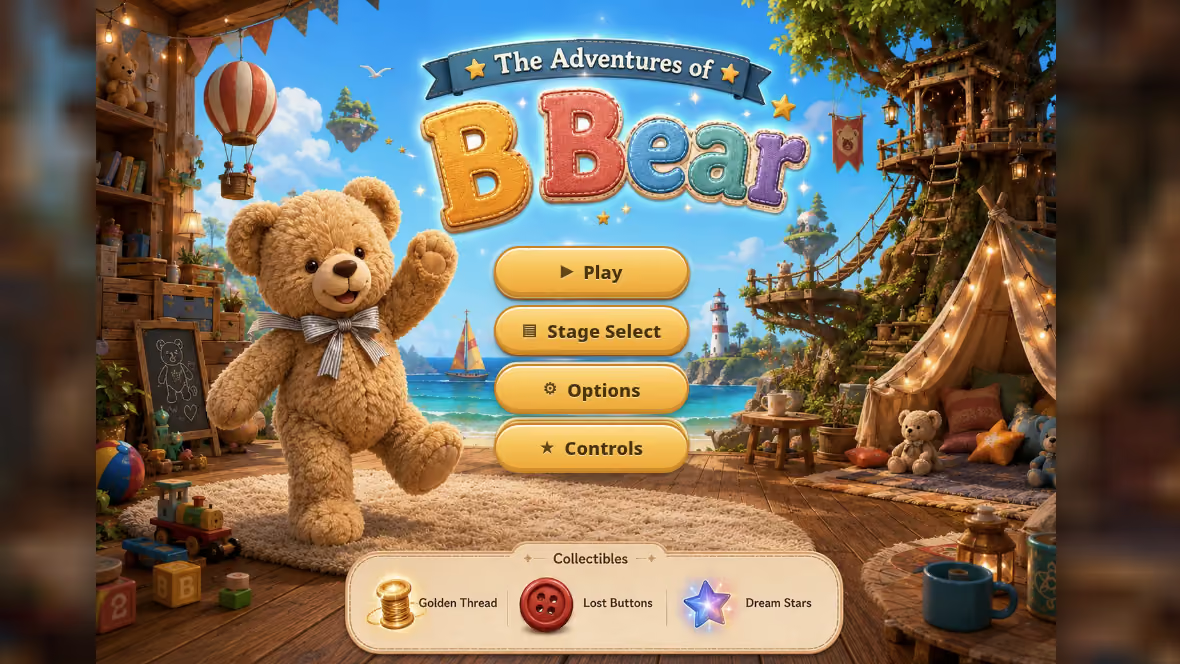
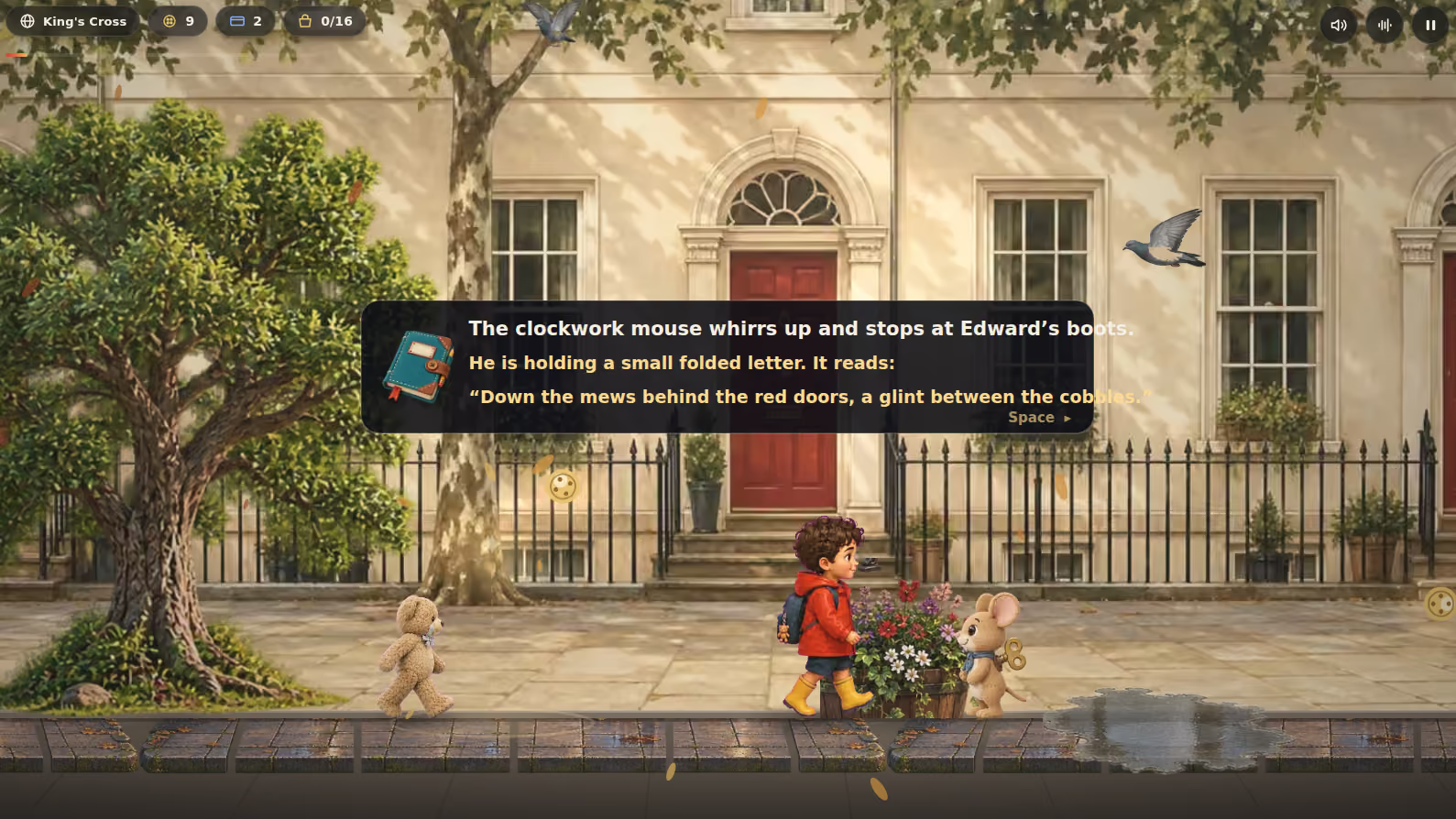
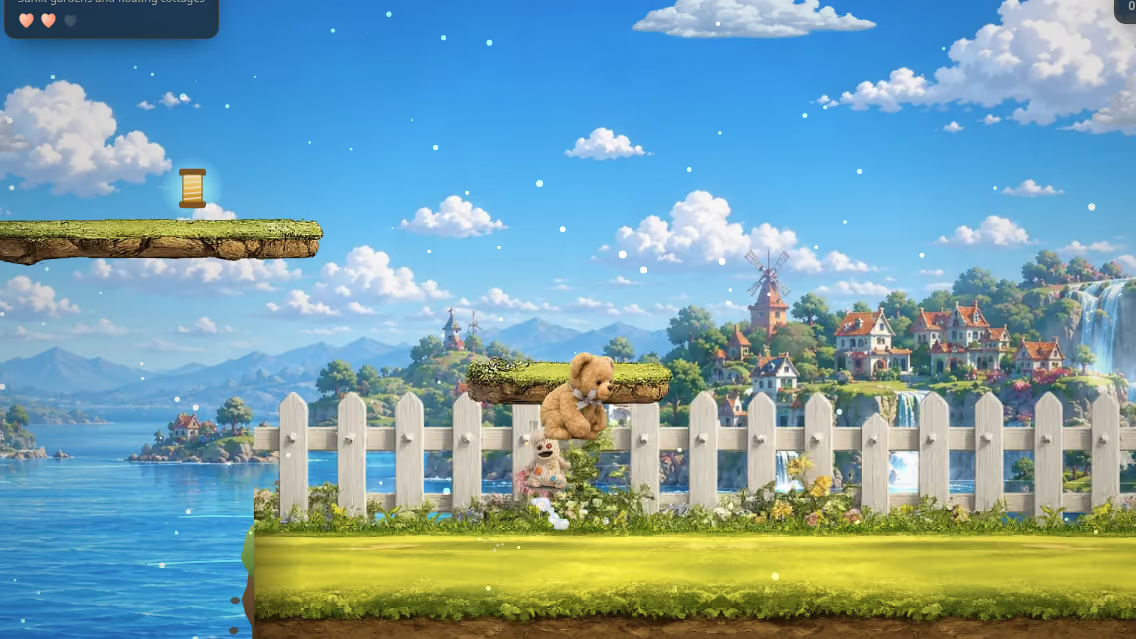
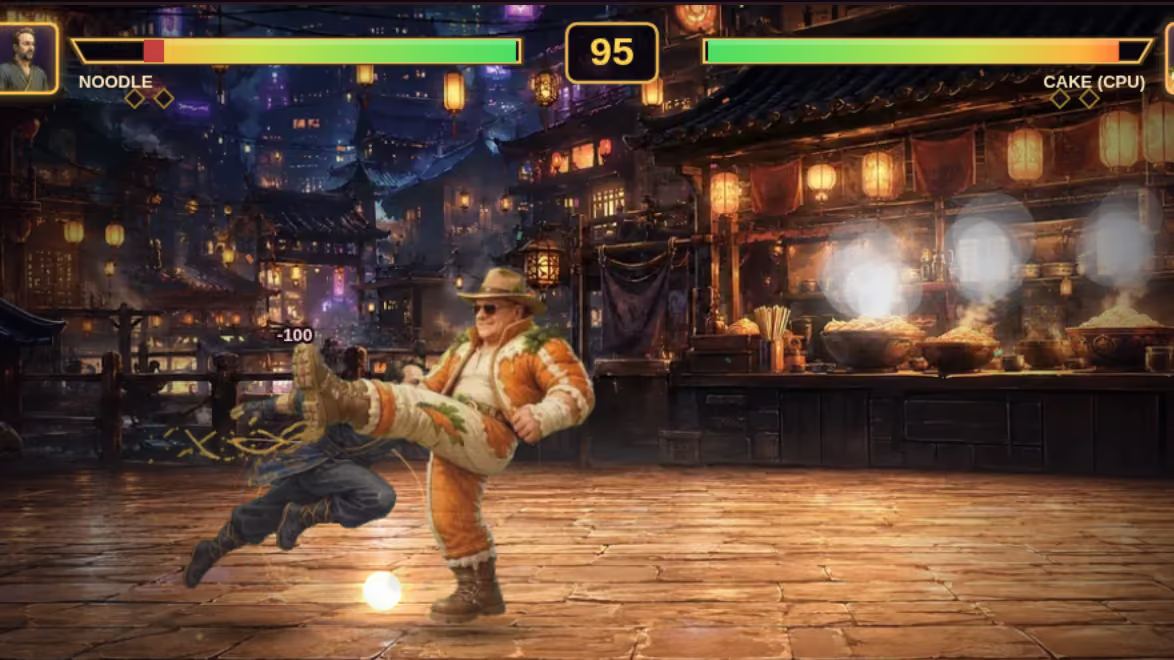
There is a category of gift here that nothing else covers, which is a game about them.
For someone who spends a great deal of time in games, being inside one is not a novelty in the way it would be for a person who does not play. It is more like being in a photograph of a place you know well. The frame is familiar, so all the attention goes to the content, which is the people in it.
The brief that works is the same one that works at sixteen: make it about their friends and their references, not about them being young. A single-level build starting at £99 with the group as characters and the running joke in the level names is a very different object from something personalised with their name and age.
The friendship group is the point. A game they can send to five people who all appear in it gets opened five times on the first evening, which is the pattern described in what makes somebody open a game twice.
If you want to understand the interest
A small suggestion that is not a gift and is often worth more.
Most teenagers who play a lot have never had an adult take the hobby seriously enough to ask a real question about it. Not "is that not a bit violent", but "how does that actually work" or "what makes that one good".
If you want a way in, the technical side is genuinely interesting and it is a subject they may know more about than you, which is a good position to put a teenager in. Things like what makes a jump feel right or how a computer plays chess are the kind of thing that turns a shrug into a conversation.
What this means
Buy for the specific games, not for gaming.
Upgrade what they use for hours, not what they use occasionally.
And if you personalise it, personalise the friendships. That is the part of their world that a gift can actually reach.