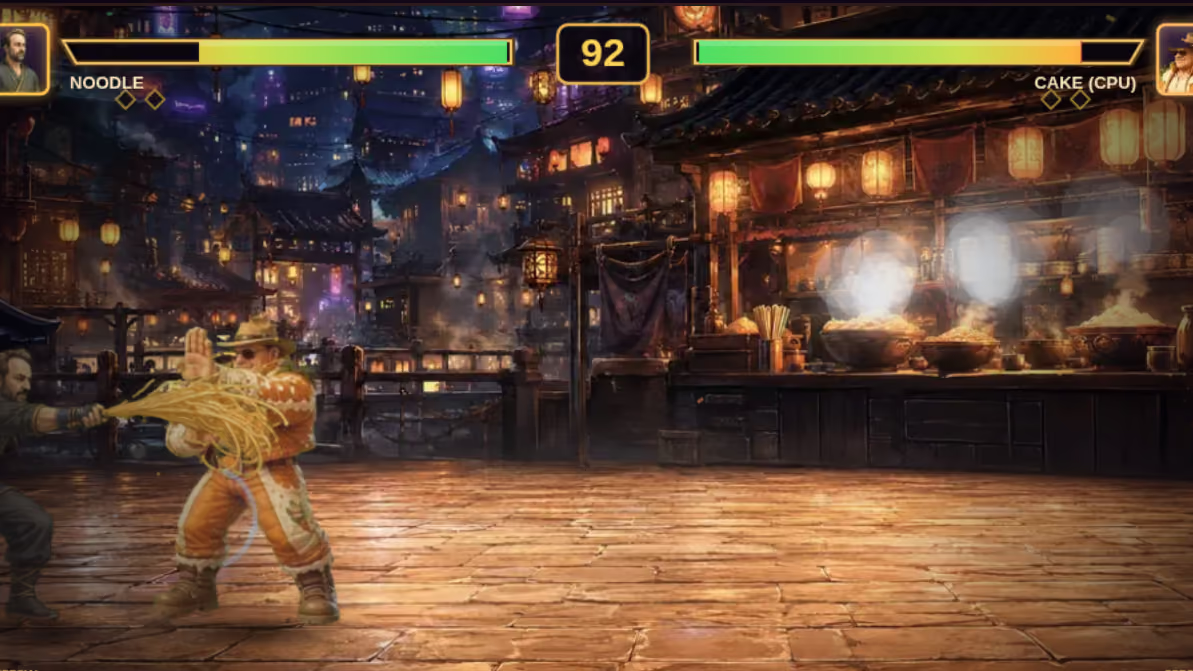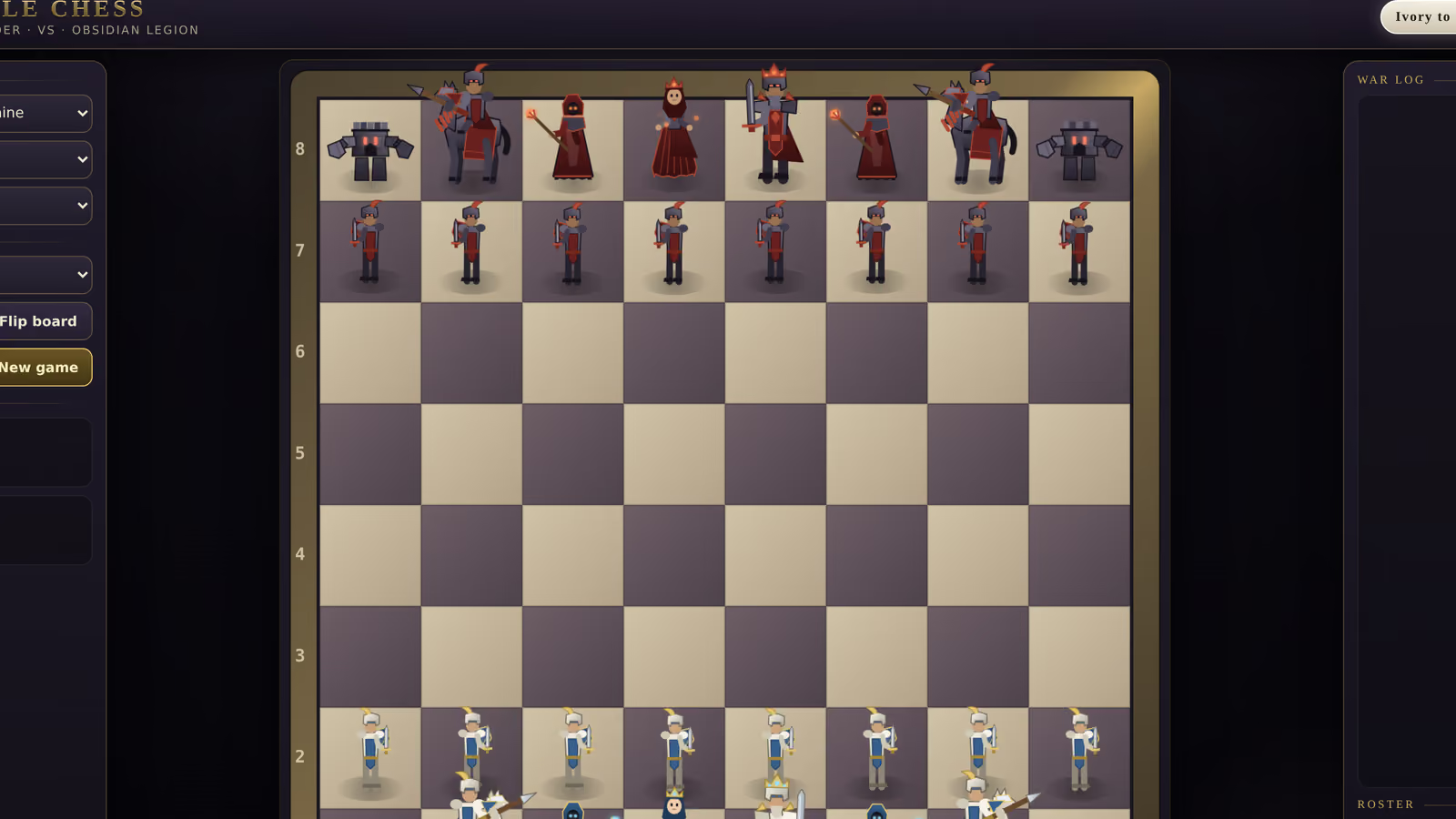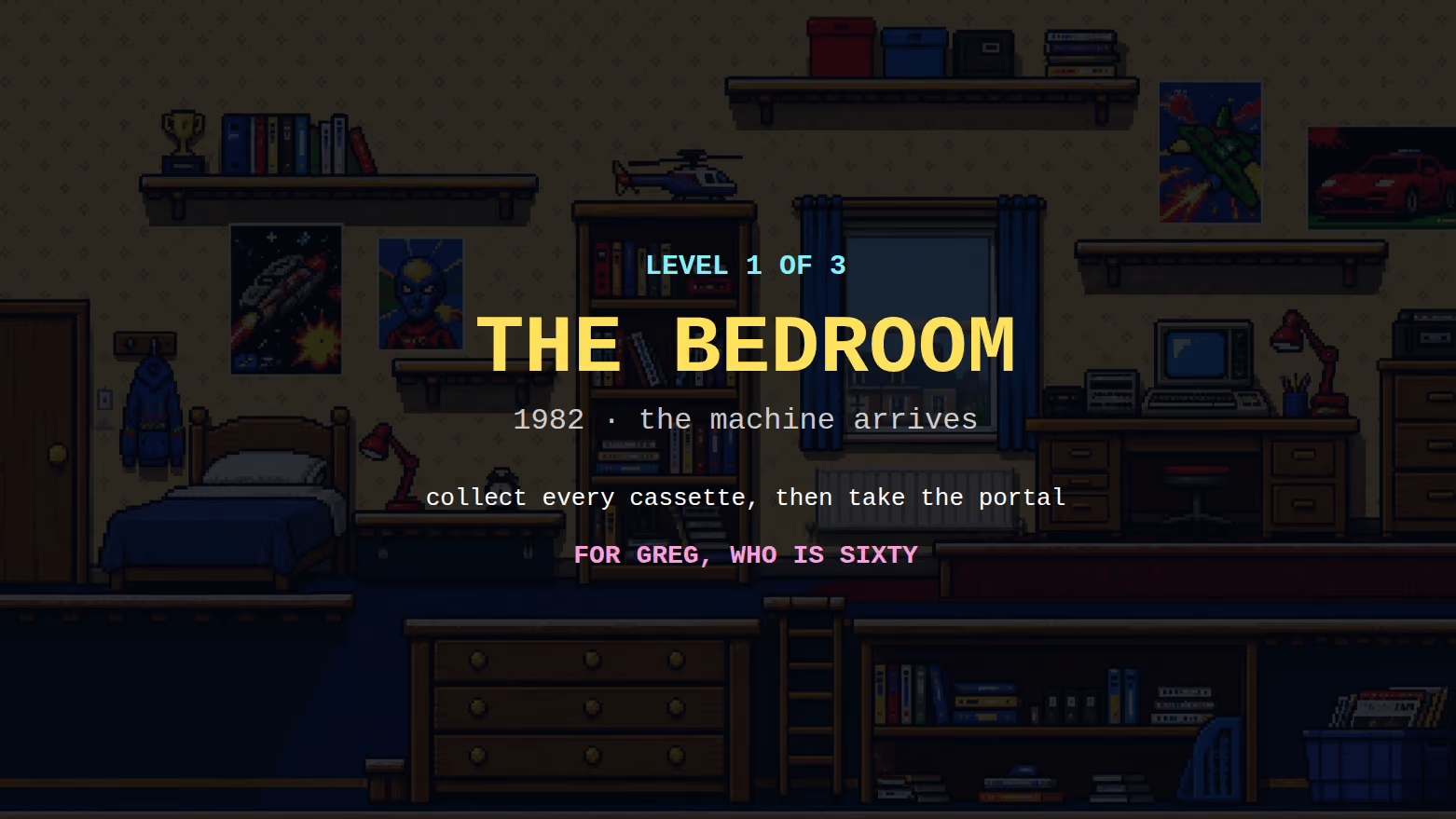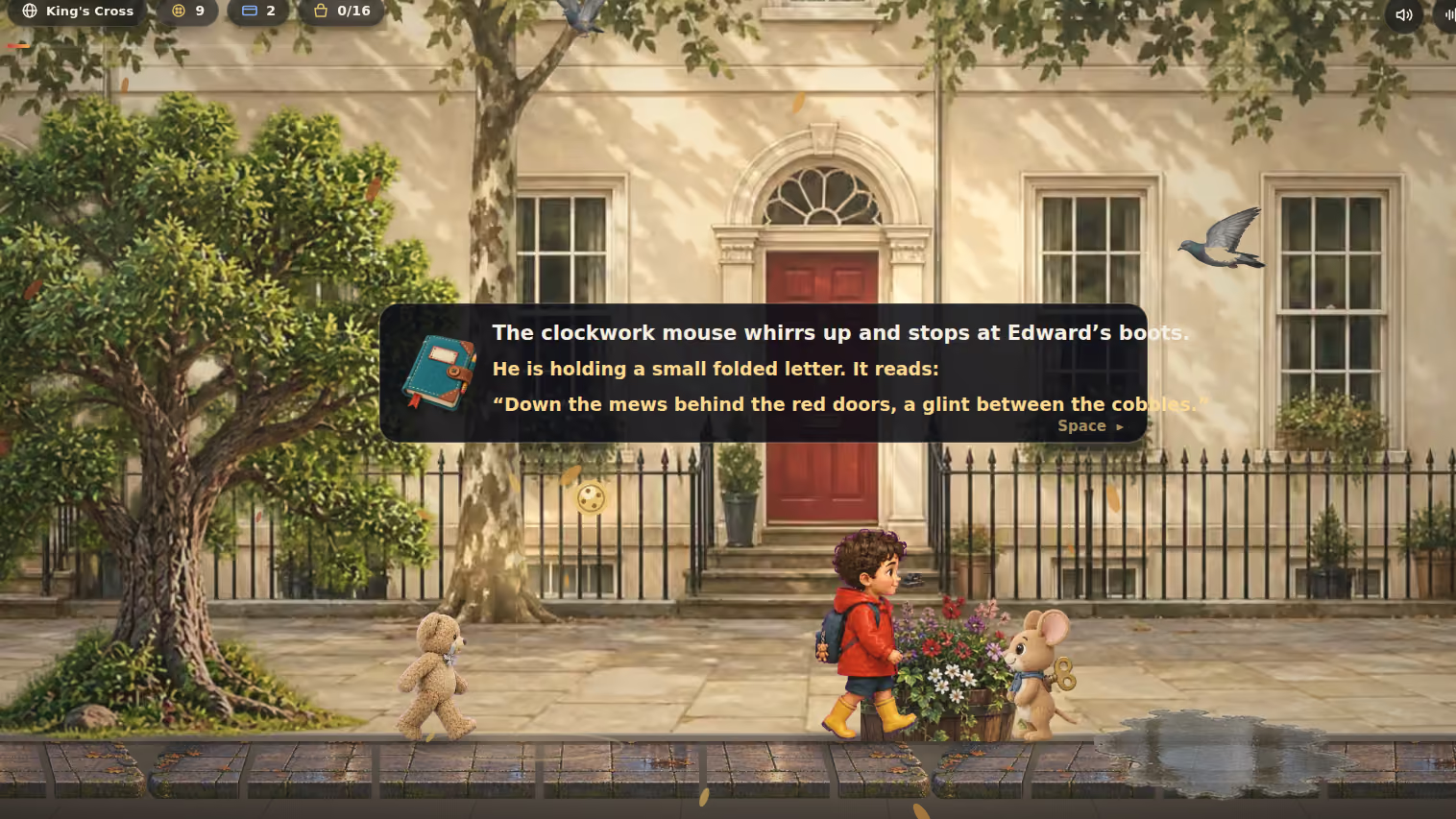
The commission form has one field that does more work than all the others combined, and it is the one people write the least in.
It asks where the game should be set. Most answers are four or five words. The answers that produce the best games are three or four sentences, and the difference between them is the difference between a personalised game and a game about a specific family.
Why place is the important field
Because it becomes the art direction for every background in the game.
"A birthday game for my dad" gives us nothing to paint. What results is a birthday game for somebody's dad: generically pleasant, generically nostalgic, and recognisable to nobody in particular.
"His bedroom in the eighties and the caravan in Tenby" gives us two locations that only one family has. The bedroom gets painted with the posters, the shelf, the machine on the desk. The caravan gets painted as a caravan in Tenby, which is a specific thing with specific weather.
Nobody outside that family would recognise either. That is precisely the point.
Write the boring details
The instinct when writing a brief is to describe the important things: the person, the relationship, why the occasion matters.
That is worth including and it is not what makes the game specific. What makes it specific is the small, unremarkable detail that nobody would think to mention.
The colour of the front door. The dog's name and the fact that it is afraid of the hoover. The chair nobody else is allowed to sit in. The thing he says every single time somebody suggests going for a walk. The route to school. The caravan's actual name.
None of that sounds like it belongs in a brief. All of it is what makes somebody say "how did they know that".
The three sentences worth more than a page
If you write nothing else, write these.
Where does this person's life happen? The house, the street, the workshop, the boat, the office, the pitch. Two or three places, described properly.
What would somebody who knows them find funny? The running joke, the thing they are famous for in the family, the mildly embarrassing story that gets told every Christmas.
Who else needs to be in it? Named. Including the pets. Especially the pets.
Those three cover most of what a good commission is built from, and none of them requires knowing anything about games.

What not to put in a brief
How the game should work. Mechanics, controls, difficulty, level structure. This is our job, and briefs that specify it tend to produce a worse game, because the mechanics get bent to fit an idea rather than tuned to feel right. The reasoning is in why game artwork gets drawn twice.
Comparisons to games you have played. "Like Mario but with my dad" is less useful than a paragraph about your dad. The genre is a decision we make from the brief, not a constraint to start from.
A list of adjectives. Fun, exciting, heartwarming. Every commission is trying to be those things and none of them tells us what to paint.
Anything you are not sure about. If you do not know whether he would find something funny, say so rather than guessing. We would rather have "I think, but check with his sister" than a confident wrong thing.
Tell us who is playing, and how old they are
The second most useful thing after place, and it is frequently omitted.
A game for a four-year-old, a game for a seventy-year-old who has not played anything since 1985, and a game for somebody who plays every evening are three different builds from the same brief. What changes is the difficulty, the controls, the length and how much the first level teaches.
That is a setting rather than a rewrite, which is why it is easy to get right if we know, and impossible to correct afterwards if we do not. The range is described in designing one game for a four year old and an adult.
Say where it will be played too: at a party with people watching, or at home alone. That decides the length, for the reasons in how long a custom game should take to finish.
Things will occur to you afterwards
They always do, usually two days later in the shower.
Send them. A detail that arrives early is easy to incorporate, and one that arrives after the backgrounds are painted is a change rather than an addition. There is no penalty for a second email and it almost always improves the result.
The same applies to photographs. If a better one turns up, send it. What makes a photograph useful is covered in what photographs we actually need from you.
If it is a surprise
Worth saying: most commissions are, and it makes the brief harder because you cannot ask the person the obvious questions.
Ask somebody else. A sibling, a best friend, a partner. They will know things you do not, and involving them usually improves the brief considerably.
What this means
Write more about place than about anything else.
Include the details that seem too small to mention. Those are the ones that land.
Say who is playing and where.
And do not specify the game. Describe the person; that is the brief.
The whole process from brief to delivery is in how commissioning a custom game works.