A company anniversary is celebrated by the people who were there and watched by the people who were not, and in most organisations the second group is considerably larger.
Twenty-five years in business means the majority of current staff joined during the last five. A celebration built entirely on founder nostalgia is, to them, a slideshow about strangers in an office they have never seen.
Include the recent majority
This is the design problem, and naming it solves most of it.
The history is genuinely interesting and worth telling. It just cannot be the whole event, and it cannot be told as though everybody in the room shares the memory.
Two things fix it.
Tell the history as a story rather than as a recollection. Explained for people who were not there, with context, rather than a series of in-jokes and photographs of people who left in 2011. The difference is whether a person who joined in March can follow it.
Put the present in it as well. The company as it is now, the people in it now, what they are working on. An anniversary that is entirely retrospective quietly suggests the interesting part is over.
Record the beginning while you can
The genuinely time-limited thing at a company milestone, and the one nobody does.
Founders, early employees and the first customers hold a history that exists nowhere else. Why the company started, what the first office was like, the deal that nearly did not happen, why the product is shaped the way it is. Most of that is never written down and it disappears when those people retire.
An afternoon with a recorder is enough. It is worth more than anything else on the day, it becomes the source material for everything you do at the next milestone, and it costs a fraction of a party.
The same argument applies to a family at fifty years, in 50th wedding anniversary gift ideas, and for the same reason: the window closes quietly.

What to do on the day
Something for everybody, equally. The commonest resentment at a company celebration is a tiering of who was invited to what. If there is a nicer event for the leadership team, everybody knows.
Include people who are not in the building. Remote staff, part-time staff, the night shift, the warehouse. Anniversary events default to the head office and everybody else notices.
Say what the money is. Staff are quick to price an event and slower to forget it if the same year included a pay freeze. If the budget is modest, saying so is better than pretending.
Involve long-standing customers if you have them. For a business with real longevity, the customers who have been there twenty years are part of the story, and being asked is usually well received.
Keep the speeches short. Two, not six.
Instead of branded merchandise
The default anniversary gift is a branded item with the number on it, and it is received as merchandise because that is what it is.
Better options at similar cost.
Something with no logo that people actually want. The company paying for a good thing is the message; putting your name on it converts it into advertising.
A donation in the staff's name to something they choose. A vote costs nothing and makes the gesture theirs.
Time. An extra day off, given to everybody, on a date of their choosing. It costs real money and it is the one staff mention afterwards.
Something that includes them personally. Which is the category worth spending on if you are going to spend at all.
Commissioning something for a milestone
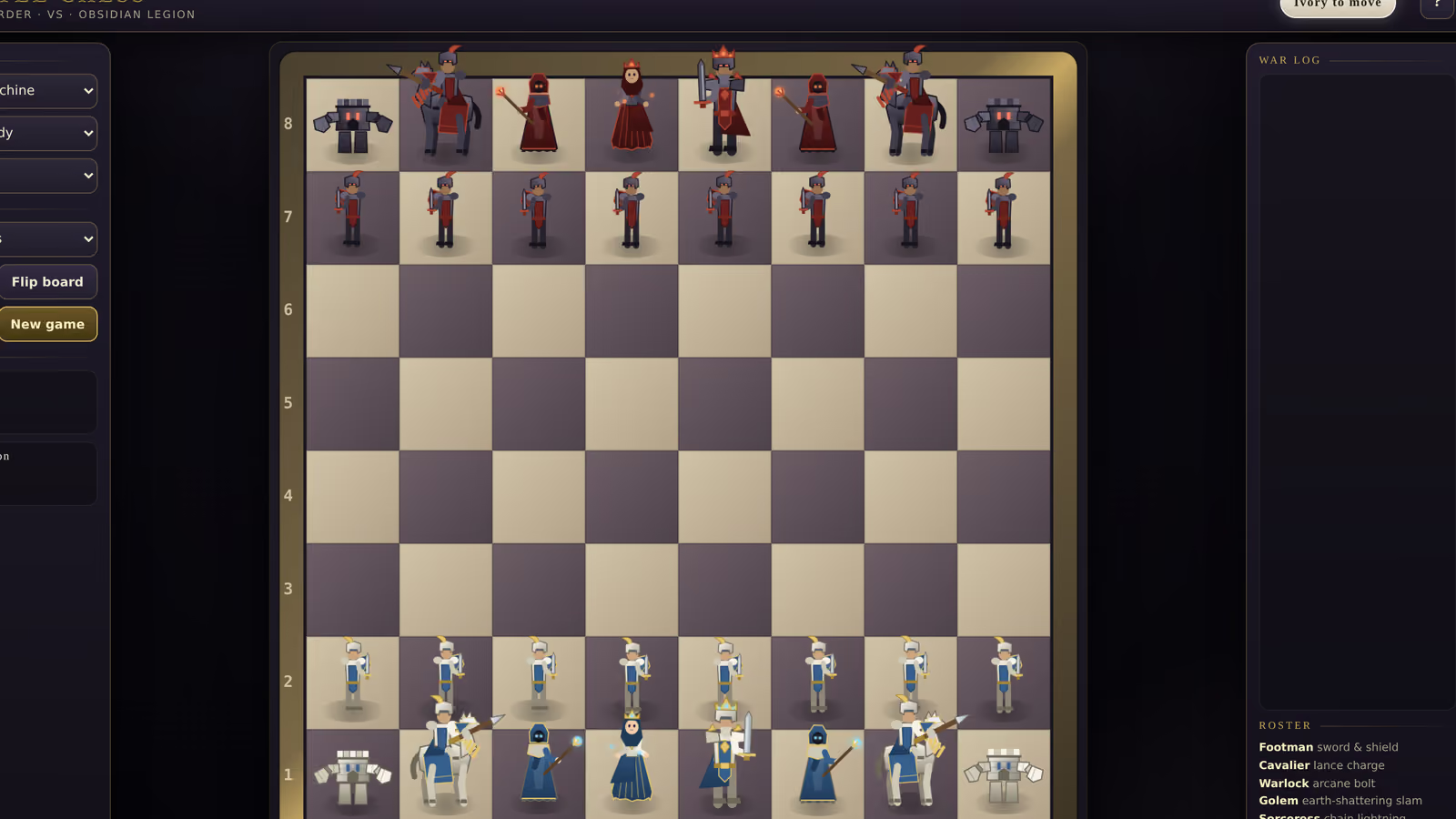
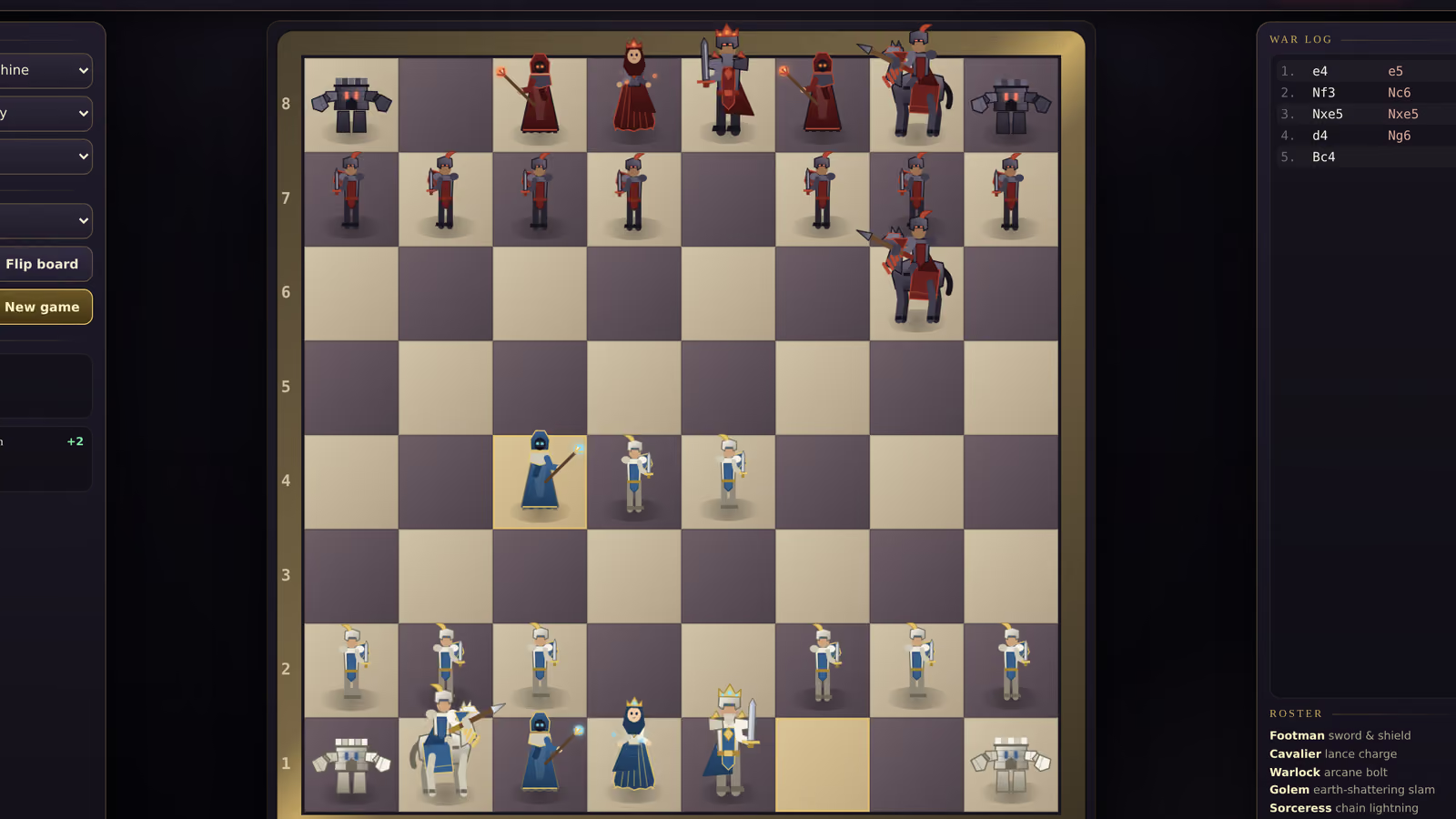
For a company anniversary, what works is a piece that carries the history and the present at once.
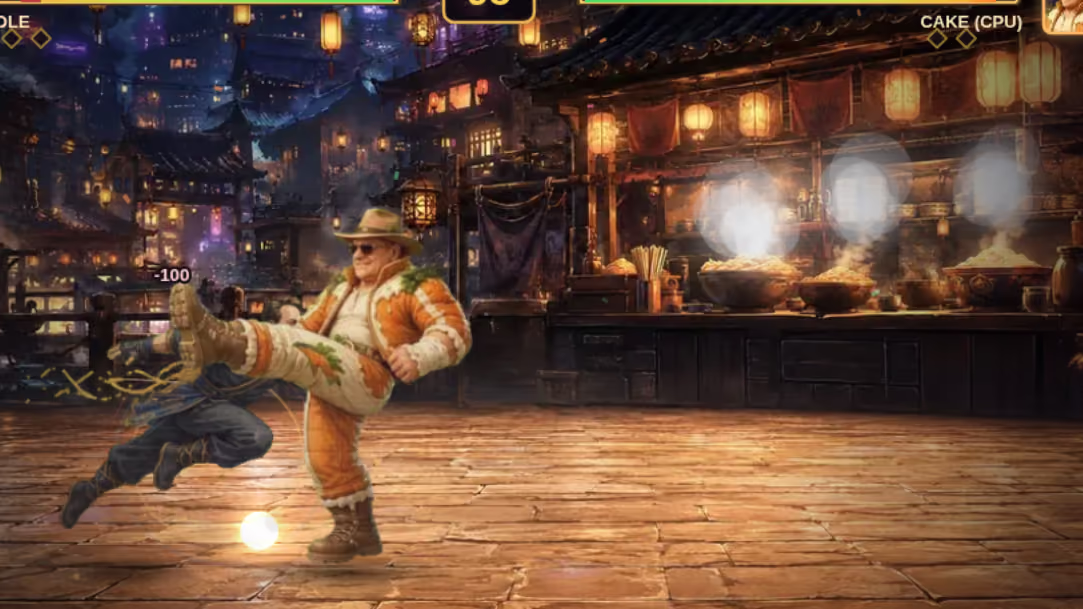
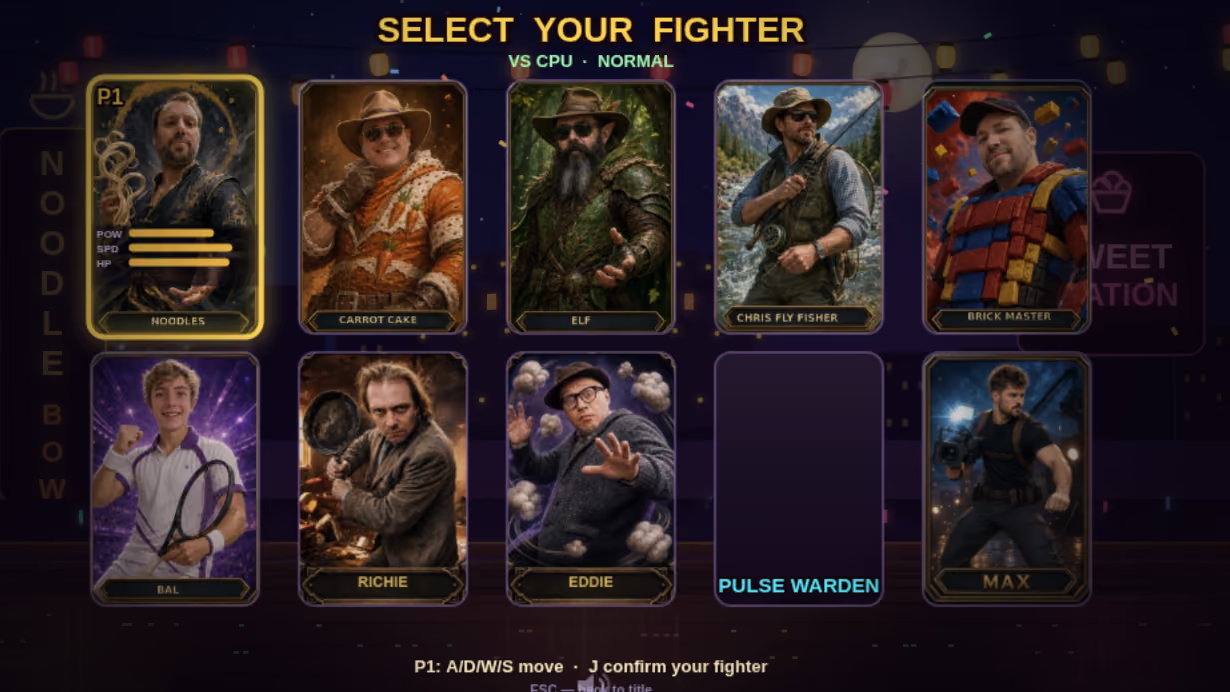
The first office as a level. The current one as another. Products or services as things to collect. Staff painted from photographs as characters, including the recent joiners, which is the part that solves the inclusion problem.
It has an advantage over the usual alternative, a commemorative video, which is that people are in it rather than watching it. Everybody looks for themselves, and everybody looks for the people they work with, which produces the thing an anniversary is actually for: colleagues talking to each other about the company.
The cast drives the tier, at £99 for a single level and £349 for a multi-level build with a proper cast. For a company piece, breadth beats depth: more people in it, shorter to play. And it should be genuinely short, because staff will feel obliged to finish it.
The same caution as any workplace commission applies: photographs of staff need individual agreement, with a straightforward way to decline that does not require anybody to explain themselves.
What to avoid
A slideshow of people who have left.
An event only the long-serving enjoy.
Branded anything.
A celebration that skips the difficult years. Every company that has lasted twenty-five years has had at least one bad one, and pretending otherwise makes the whole account read as marketing.
What this means
Record the founders now.
Design the day for the person who joined in March.
And if you give something, make it something without a logo on it.
For the seasonal equivalent, office Christmas party entertainment ideas, and for events generally, corporate event entertainment ideas.